
A fresh coat of paint can make a room feel completely renewed, but it will not hide a crack that is still moving or a ceiling stain caused by an active leak. So, can painters repair plaster damage? In many cases, yes. A skilled painting contractor can repair common surface damage before painting, creating the smooth, stable base needed for a high-quality finish. The key is knowing when the damage is cosmetic and when it points to a larger issue that must be addressed first.
For homeowners, landlords, and property managers, this distinction protects both the appearance of the property and the value of the work. Proper plaster repair is not an extra step added at the end. It is part of professional surface preparation.
Can Painters Repair Plaster Damage?
Professional painters regularly repair minor to moderate plaster damage as part of interior painting work. This can include small holes from picture hooks, dents, chips, nail pops, shallow cracks, damaged corners, and uneven patches left behind after old fittings are removed.
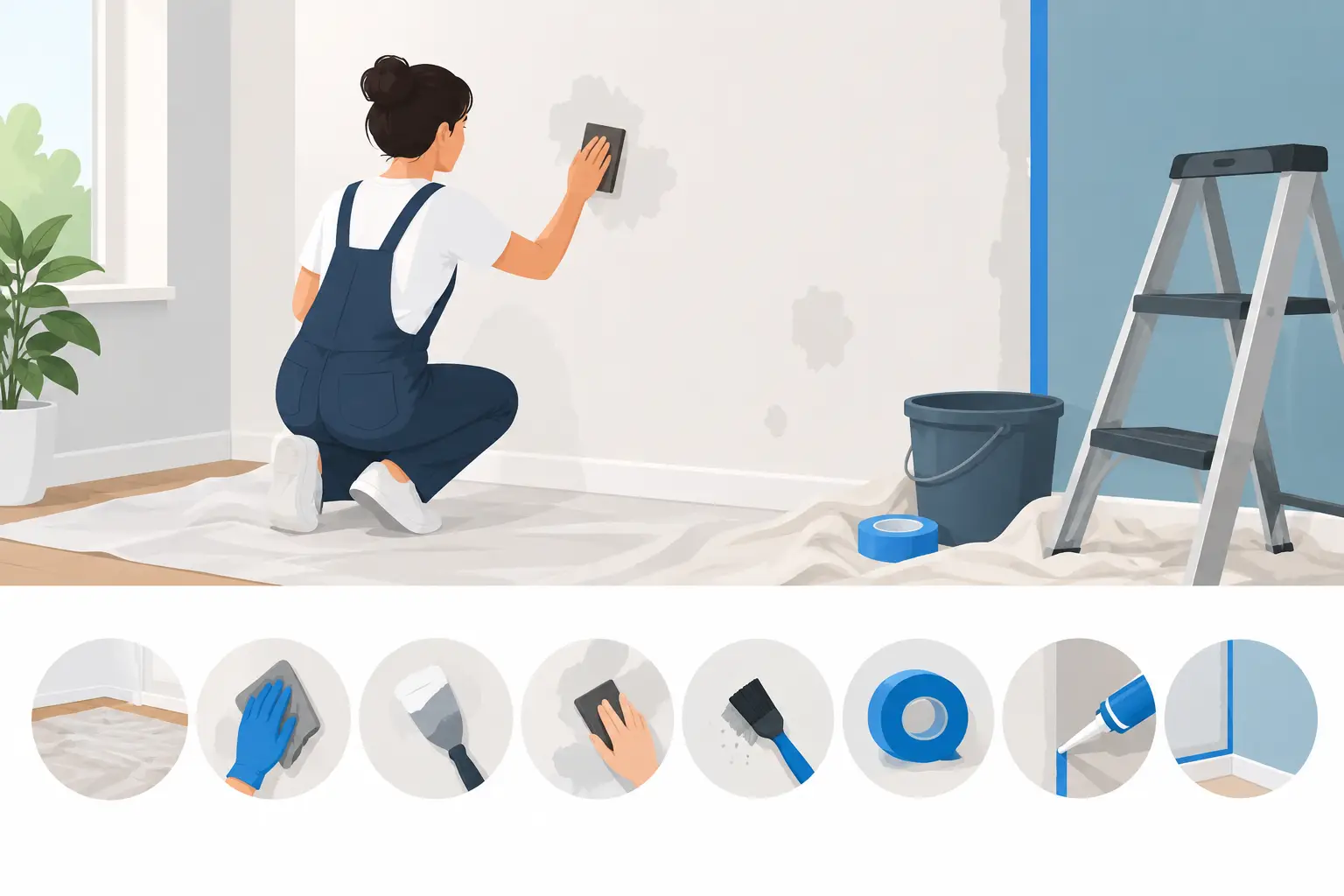
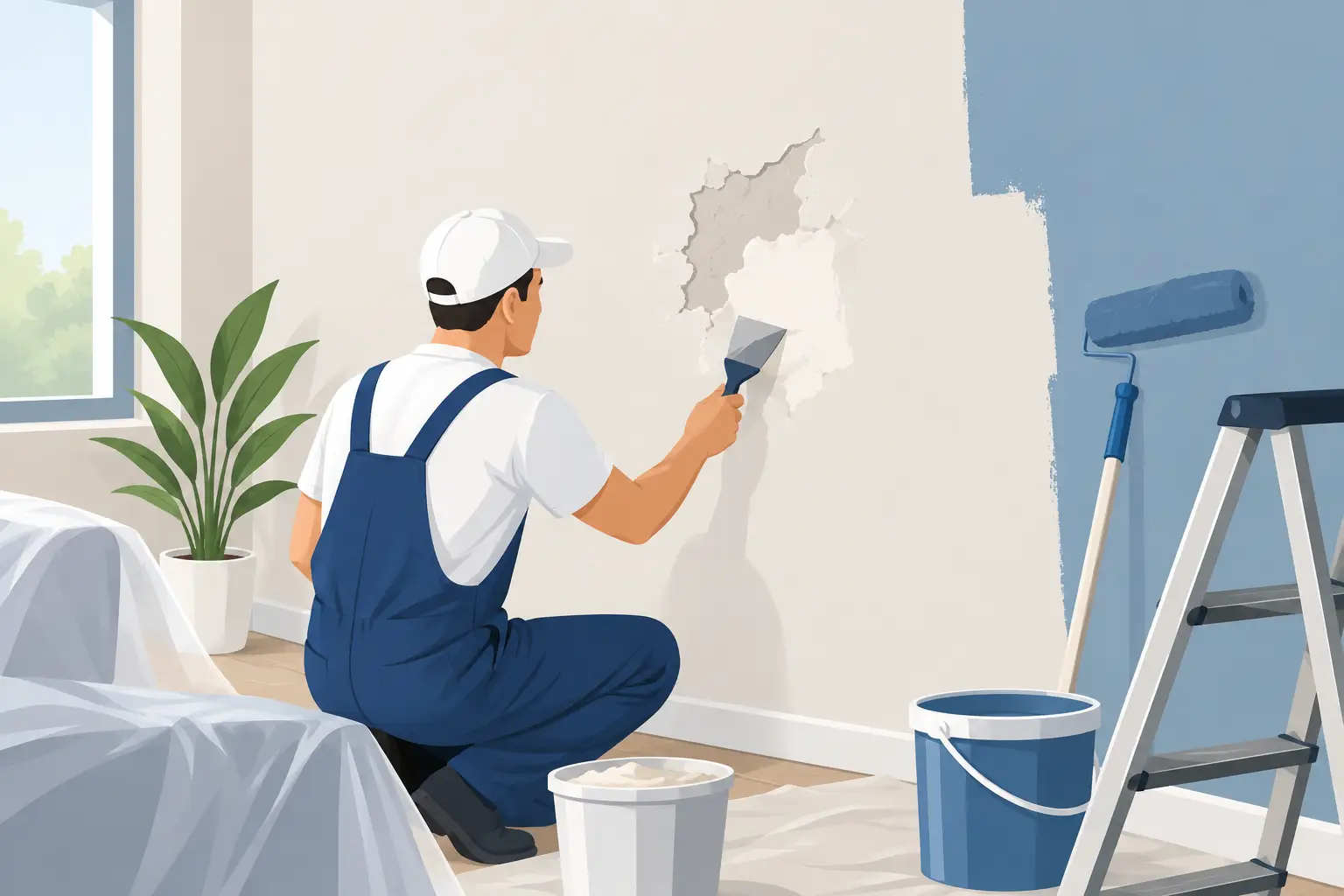
The repair process typically involves removing loose material, stabilizing the affected area, applying the appropriate patching compound, sanding it smooth, and priming the repair before painting. Each stage matters. If a patch is rushed, skipped during priming, or sanded unevenly, it may show through the final paint finish as a dull spot, raised edge, or visible texture change.
A good painter does more than fill a hole. They assess the surrounding wall or ceiling, match the repair to the existing surface, and prepare it so the new paint looks consistent in natural and artificial light. This is particularly important on feature walls, ceilings, and large open-plan areas where imperfections are easier to notice.
That said, painters are not always the right trade for every plaster problem. A crack that is widening, plaster that is sagging or loose, repeated water staining, or damage around doors and windows may require investigation by a builder, plumber, roofer, or other qualified specialist before repairs and painting begin.
The Plaster Damage a Painter Can Usually Fix
Small, stable imperfections are well within the scope of a painting contractor. In lived-in homes and rental properties, these are often the details that stand between an ordinary repaint and a polished result.
Small holes, dents, and wall marks
Picture hook holes, screw holes, minor dents, and scuffs can normally be filled and smoothed before painting. For a few small marks, this work is relatively straightforward. Where a wall has many old fixings, shelving holes, or damage from removed wall-mounted items, the preparation takes more time but is still a common part of a painting project.
The final result depends on using the right filler and allowing it to dry fully. Painting over a damp or shrinking patch can leave an indentation that becomes visible once the paint cures.
Hairline cracks
Fine cracks in plaster are common, especially in older homes, apartments, and properties that have experienced normal settling. If the crack is stable and narrow, a painter can usually open it slightly, fill it with a flexible patching material, sand it, prime it, and paint over it.
Some cracks need reinforcing tape or a more flexible repair method to reduce the chance of them returning. No contractor can guarantee that a building will never move again, but correct preparation gives a repaired crack the best chance of remaining unobtrusive.
Damaged plaster corners and edges
Corners near hallways, doors, stairs, and busy living spaces often take the most knocks. Small chips and dents can generally be rebuilt with compound and shaped carefully to restore a clean edge. This kind of detail work makes a noticeable difference in a room that has otherwise been freshly painted.
Peeling or flaking paint around sound plaster
Sometimes the plaster underneath is in good condition, but old paint has lost adhesion. A painter can scrape away loose coating, sand the edges, spot-prime exposed areas, and repaint. The cause still matters. Poor adhesion may be due to age, poor previous preparation, incompatible coatings, or moisture, and the right solution depends on the condition of the wall.
When Plaster Damage Needs Another Trade First
Painting repairs should only begin once the underlying surface is dry, stable, and sound. Covering a problem with filler and paint may make it look better briefly, but it will not make the problem disappear.
Water damage is the clearest example. Brown ceiling marks, bubbling paint, soft plaster, mold growth, or stains that return after cleaning can indicate a roof leak, plumbing issue, failed waterproofing, or condensation problem. The source of moisture must be fixed and the area must dry properly before a painter restores the surface.
Large cracks also deserve closer attention. A hairline crack may be cosmetic, but a crack that is wide, diagonal, recurring, or accompanied by sticking doors, uneven floors, or separated trim can suggest movement beyond a normal surface repair. A qualified building professional should assess it before painting work proceeds.
Loose, sagging, or crumbling plaster may need more extensive restoration or replacement. In older properties, the original plaster may have detached from the wall or ceiling behind it. Patching over unstable material is not a lasting solution. A professional inspection helps determine whether the affected section can be secured and repaired or should be removed and replaced.
Why Preparation Determines the Final Finish
A wall can have premium paint applied to it and still look unfinished if the preparation is poor. Paint reflects light, especially with lower-sheen finishes, and can reveal dents, ridges, patched areas, and sanding marks that were easy to miss before painting.
This is why an experienced painting team assesses surfaces at the beginning of the project. The scope of plaster repairs should be discussed before work starts, along with any areas that may need additional trade attention. Clear expectations help avoid surprises after furniture has been moved, floors have been protected, and painting is underway.
At Sharp Painting Services, surface preparation is treated as the foundation of the job. Floors and furnishings are protected, damaged areas are repaired with care, and walls are primed where needed before skilled paint application begins. The goal is not simply to change the color of a room. It is to leave it looking clean, even, and ready to stand up to everyday use.
What Affects the Cost of Plaster Repair and Painting?
The cost is usually driven by the extent and condition of the damage rather than the number of visible holes alone. A few small repairs during a room repaint may have little impact on the overall scope. Extensive cracking, failed previous patches, water damage, high ceilings, textured surfaces, or repairs spread across several rooms require more labor and materials.
Access can also affect the estimate. Ceiling damage above stairwells, repairs in furnished apartments, and commercial spaces that must remain operational all need careful planning. A professional quote should identify the expected preparation work and explain any assumptions, particularly where hidden damage may only become clear after loose paint or damaged plaster is removed.
For strata properties and rentals, it is wise to document water damage or significant cracking before repairs begin. This helps clarify responsibility and provides a record of the property’s condition.
How to Prepare for a Painter’s Assessment
Before requesting an estimate, take note of when the damage appeared and whether it has changed. If a stain appeared after heavy rain, a plumbing repair, or an overflowing bathroom, share that information. If a crack was repaired before and returned, mention it. These details help a painter recommend the right preparation rather than applying a temporary cosmetic fix.
You do not need to scrape, sand, or attempt repairs yourself. DIY patching can make assessment harder if it conceals loose material or introduces incompatible products. Simply clear small items away from the affected wall where practical and allow the contractor to inspect the surface in good light.
A well-prepared wall makes every paint color look better, from crisp ceiling white to a deeper feature shade. If plaster damage is holding back the look of your home or commercial space, arrange an assessment before painting begins. The right repair, completed before the first coat goes on, gives the finished room the clean and lasting appearance it deserves.