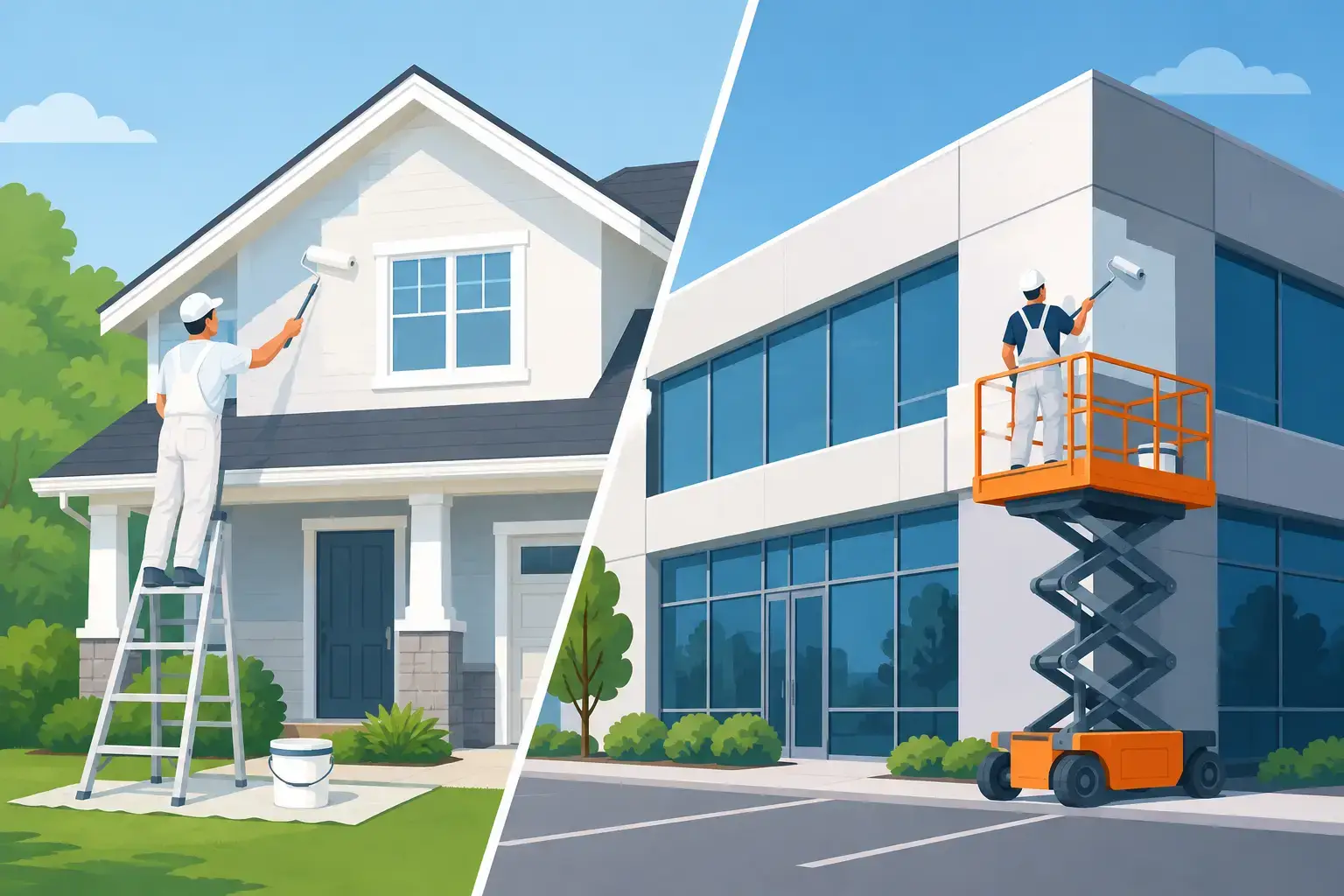


A fresh exterior can make a home look cared for overnight, but the wrong coating can fade, peel, or show patchy coverage far sooner than expected. Exterior paint reviews are useful when you are choosing materials, yet the most helpful reviews look beyond a five-star rating and explain how the paint performed on a real home over time.
For properties exposed to strong sun, rain, salt air, and changing temperatures, paint is more than a color decision. It is a protective layer for timber, masonry, render, metal, and trim. Reading reviews with the right questions in mind helps you choose a finish that looks polished on day one and continues to protect the property in the years ahead.
What Exterior Paint Reviews Can Tell You
The best reviews reveal how a product behaves after application, not simply whether someone liked the color. Look for comments on coverage, ease of application, drying time, finish consistency, resistance to dirt, and how the surface looked several months or years later.
Coverage is especially valuable to assess. A paint may appear less expensive per gallon, but require extra coats to achieve an even color or cover a darker existing surface. Reviews that state the original wall color, the number of coats used, and the surface material offer far more useful guidance than a short comment saying the product was “great.”
Long-term observations matter even more. A homeowner who reports that the finish still looks clean, smooth, and well bonded after a full season of sun and rain is giving you information that cannot be seen on a paint chip. Reviews mentioning fading, chalking, blistering, cracking, or mildew should be considered carefully, particularly if the property and climate sound similar to yours.
Read the Details Behind the Star Rating
A low rating does not always mean the paint itself is poor. Sometimes the reviewer applied it to damp timber, painted over loose material, used an unsuitable primer, or worked in conditions that were too hot, cold, or humid. Each of those factors can affect adhesion and appearance.
The same is true of glowing reviews. A paint can look excellent immediately after application but still be unproven over time. Give more weight to reviews that include specific details: the type of surface, the condition of the existing coating, whether primer was used, the number of coats applied, and how long the painted area has been exposed to the elements.
Photos can be helpful, although they should not be the deciding factor. Lighting changes color dramatically, and a close-up image may not show early signs of fading or uneven sheen. Treat photos as evidence of the initial finish, then look to written detail for clues about durability.
Exterior Paint Reviews Need Context
No paint can compensate for a surface that has not been prepared correctly. This is the key limitation of most exterior paint reviews: they often focus on the can of paint while leaving out the work done before it was opened.
An exterior repaint should begin with a careful inspection. Peeling coatings need to be removed or feathered back, cracked render should be repaired, gaps should be sealed where appropriate, and mildew or salt residue must be cleaned away. Bare timber, metal, and repaired areas may need a compatible primer before the finish coats are applied.
This preparation is not an optional extra. It is what gives the paint a clean, stable surface to grip. Even a premium product may fail early if it is applied over chalky paint, moisture-damaged timber, or poorly repaired cracks.
Professional application also affects the result. The right brush, roller, spray equipment, film thickness, and drying time between coats all influence coverage and longevity. When comparing exterior paint reviews, separate comments about the product from comments about the preparation and workmanship. Both matter, but they are not the same thing.
How to Compare Exterior Paint Reviews Before Buying
Start by identifying the material you are painting. Exterior weatherboard, rendered walls, brick, fiber cement, metal gutters, and timber trim can have different preparation and coating requirements. A review from someone painting a backyard fence may not be relevant to a two-story rendered home.
Then compare reviews using the same practical criteria:
- Durability: Does the reviewer describe how the paint held up through heat, rain, direct sun, or coastal exposure?
- Coverage: Did the paint achieve an even finish in the expected number of coats, or did it require additional product?
- Color retention: Are there reports of noticeable fading, especially on deeper or darker shades?
- Surface suitability: Was the paint used on a material similar to yours, with the right primer and preparation?
- Finish quality: Do comments mention a smooth, consistent sheen without roller marks, flashing, or patchiness?
It also helps to compare reviews from both homeowners and professional painters. Homeowners can provide valuable feedback about appearance and long-term maintenance. Experienced painters may offer more insight into spread rate, application conditions, surface compatibility, and whether the coating performs as claimed on different substrates.
Be cautious with reviews that only discuss price. Value is not simply the lowest upfront cost. A longer-lasting coating with stronger coverage may reduce future maintenance, repainting labor, and disruption. On the other hand, paying for a premium range is not always necessary for every surface. A low-traffic fence, a sheltered wall, and a sun-exposed front elevation may each need a different level of protection.
Coastal Homes Need a Higher Standard of Evidence
Homes around Sydney’s Northern Beaches face conditions that can be demanding on exterior finishes. Salt-laden air, intense UV exposure, wind-driven rain, and moisture in shaded areas can all accelerate wear. For those properties, search for reviews that mention similar coastal or high-exposure conditions rather than relying on feedback from mild, sheltered climates.
Pay close attention to comments about color stability. Dark exterior colors can create a striking result, but they absorb more heat and may show fading more readily on heavily exposed elevations. The quality of the coating, the direction the wall faces, and the material underneath all influence whether a dark color is the right choice.
Mildew resistance is another practical consideration. Shaded sides of a house, areas beneath trees, and walls with limited airflow can remain damp longer. A suitable coating helps, but cleaning, repairs, drainage, and adequate surface preparation remain essential to preventing recurring issues.
Choose a Paint System, Not Just a Paint Can
A dependable exterior result comes from a complete system: inspection, cleaning, repairs, primer where required, compatible topcoats, and proper application conditions. This is why a detailed painting estimate should explain more than the brand of paint. It should outline the surfaces being painted, the preparation included, the number of coats, and any repairs that may be needed.
At Sharp Painting Services, material selection is considered alongside the age, condition, exposure, and style of the property. This approach helps avoid a common mistake: choosing a highly rated paint that is not suited to the surface or applying it over problems that should have been repaired first.
A professional painter can also help translate reviews into a decision that makes sense for your home. For example, a paint praised for self-priming performance may still need a dedicated primer on bare timber or rust-affected metal. A product known for a low-sheen finish may be ideal for broad rendered walls but less practical for trim that needs a more durable, washable coating.
Questions Worth Asking Before an Exterior Repaint
Before choosing a paint and booking the work, ask what preparation the exterior needs, which primer is recommended, how many finish coats will be applied, and how the work area will be protected and cleaned. Ask how weather delays are managed as well. Exterior painting should not be rushed simply to meet a calendar date when rain, excessive heat, or high humidity could compromise the finish.
It is also sensible to ask about the expected maintenance needs for your selected color and finish. A well-planned repaint should leave you with a finish that suits the property, the local conditions, and the level of upkeep you are comfortable with.
The most useful exterior paint review is ultimately the one that helps you ask better questions. Choose materials with proven performance, insist on thorough preparation, and give the work the time it needs to be done properly. Your exterior will look better for it, and it will stay protected longer.