

Salt air does not politely stay outside. On the Northern Beaches, it settles on exterior surfaces, combines with strong sun and changing weather, and can shorten the life of a poorly prepared paint job. Choosing a Northern Beaches house painting expert is therefore about more than finding someone who can apply an attractive color. It is about selecting a team that understands how preparation, products, communication, and careful workmanship shape the result you live with for years.
A freshly painted home should look sharp on completion day, but its real value is seen months later: clean lines still look clean, repaired areas remain stable, and exterior coatings continue to protect the building beneath. Whether you are updating one room in Dee Why, preparing an apartment in Manly, or refreshing the exterior of a family home in Mona Vale, a professional process makes the difference.
What a Northern Beaches House Painting Expert Should Assess
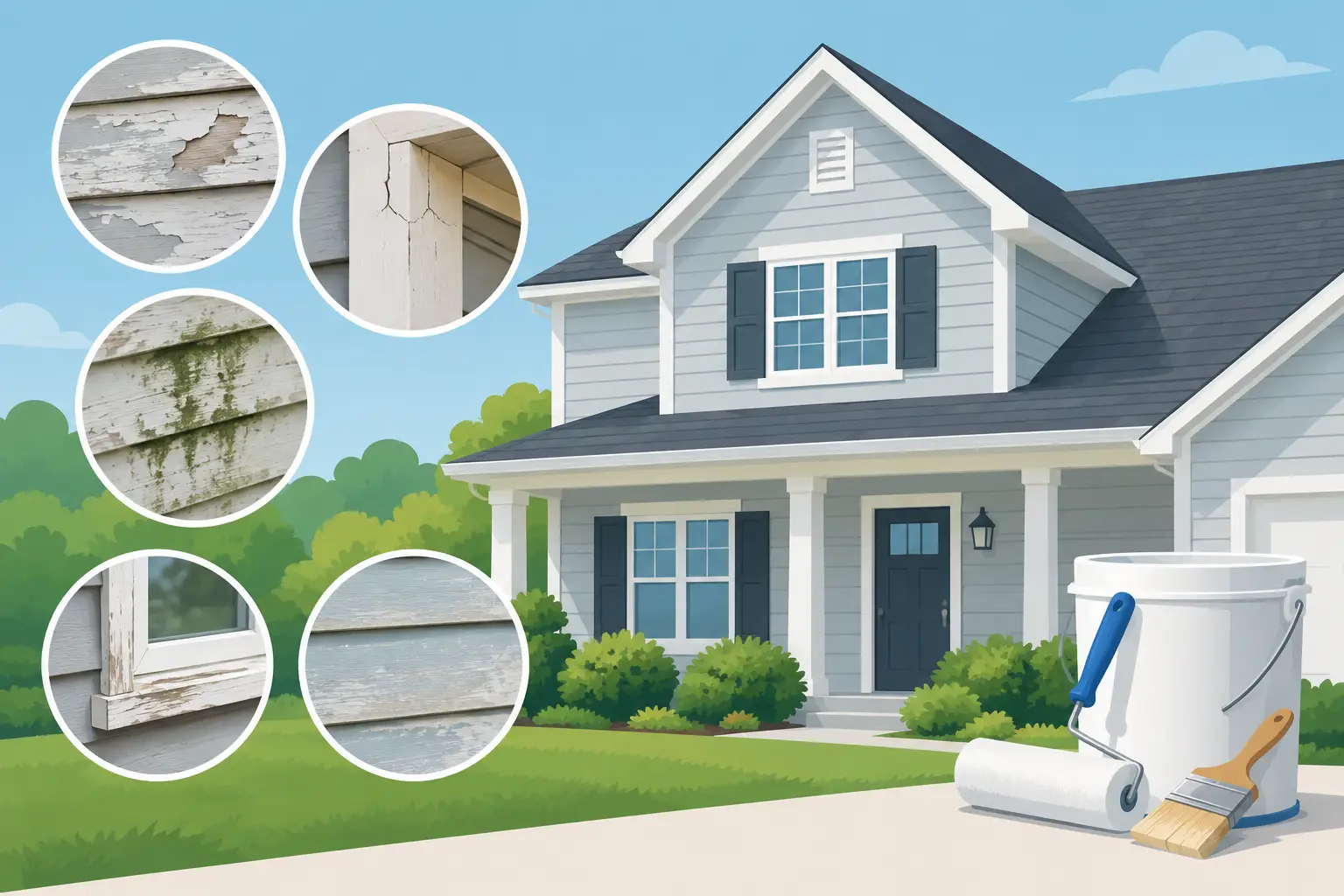
The right painter starts by looking closely at the surfaces, not by rushing to choose paint colors. Exterior timber may have peeling coatings or weather exposure. Render can show fine cracks. Interior walls may carry dents, stains, picture-hook holes, or uneven repairs from earlier work. Each issue calls for a different preparation method, and covering it quickly rarely makes it disappear.
During an onsite consultation, expect clear questions about the scope of work, your preferred timing, access to the property, and the condition of the surfaces. A thorough painter should also discuss the intended use of each space. A hallway with children, pets, and frequent traffic needs a more durable finish than a low-use guest room. A bathroom ceiling needs a coating suited to moisture. These are practical details, but they influence how well the finished work performs.
For exterior projects, local exposure matters. A sheltered side wall and a sun-facing facade may age differently. Properties near Narrabeen Beach, Newport, or Avalon Beach can face additional salt exposure, while shaded areas may be more prone to mildew. A knowledgeable recommendation is never simply the same product and finish on every surface.
Preparation Is Where Lasting Results Begin
Painting is highly visible work, but much of the craftsmanship happens before the first finish coat is applied. Proper surface preparation creates a smooth base and gives paint the best chance of bonding correctly.
Inside the home, that may involve protecting furniture and flooring, filling holes, repairing minor wall damage, sanding rough areas, sealing stains, and priming patched sections. On ceilings and walls, careful preparation prevents repaired spots from standing out once light hits the room from a different angle.
Outside, the process can include washing away dirt and salt residue, scraping loose paint, sanding failing edges, treating affected areas, filling gaps, repairing minor timber imperfections, and applying suitable primers. The exact work depends on the building material and the condition of the existing coating. Skipping these steps may lower the initial quote, but it can lead to peeling, uneven sheen, and premature repainting.
A dependable painting contractor explains what preparation is included before work begins. This is especially valuable when comparing estimates. Two prices can look similar on paper while allowing for very different levels of repair, protection, and finishing work.
Color and Finish Choices Need a Practical View
Color selection should feel exciting, not overwhelming. Large paint swatches can look surprisingly different from a small sample, particularly in rooms with strong afternoon sun or limited natural light. Before committing to a color, consider how it looks alongside flooring, cabinetry, window frames, and nearby rooms.
Finish matters just as much. Flat finishes can soften the appearance of ceilings and hide minor surface variation, while low-sheen or washable finishes are often practical on interior walls. Semi-gloss may suit trims, doors, and areas that need regular cleaning. Higher sheen can highlight architectural detail, but it can also reveal surface imperfections if the underlying preparation is not meticulous.
For exterior painting, the goal is both visual consistency and protection. A well-chosen palette can update a dated facade, define entry features, and complement surrounding materials without making the home feel disconnected from its setting. An experienced painter can offer guidance while keeping the final decision firmly in the homeowner’s hands.
Ask for an Estimate You Can Actually Understand
A transparent estimate gives you confidence before the project starts. It should set out the areas being painted, the preparation work allowed for, the number of coats, the paint system or product standard, and any exclusions or assumptions. It should also make clear whether minor repairs are included and how additional work would be discussed if hidden damage is uncovered.
The lowest price is not always the best value, particularly for exterior work. It may reflect fewer preparation hours, lower-grade materials, insufficient coats, or a rushed schedule. At the same time, a higher quote is not automatically proof of better workmanship. Ask what is included, compare like with like, and look for a contractor who takes time to explain the recommendation in plain language.
Timing is another part of a good estimate. A punctual team will provide a realistic start date and expected duration, then communicate early if weather or an unexpected repair affects the schedule. For occupied homes, clear planning reduces disruption and helps everyone know what to expect each day.
A Clean Work Site Is Part of Professional Painting
Homeowners often worry less about the paint itself than about what the work will do to daily life. Will floors be protected? Will furniture need to be moved? Will dust travel through the house? Will the site be left tidy at the end of the day?
These concerns are reasonable, and professional painters plan for them. Floors, furnishings, fixtures, and landscaping should be protected before work begins. Access routes should be kept organized. Paint materials and tools should be stored safely, and the team should clean up progressively rather than leaving a large mess for the final day.
For apartment owners, landlords, and property managers, the same care extends to shared spaces and building requirements. Lift access, parking, noise restrictions, and coordination with tenants can all affect the job. A contractor with a structured process helps prevent simple logistical issues from becoming delays.
Signs You Have Chosen the Right Painting Team
You should feel informed rather than pressured. The painter arrives when promised, listens to your priorities, explains the scope clearly, and gives straightforward answers about materials, repairs, timing, and finishes. Good communication before the job is usually a strong indicator of how the project will be managed once it starts.
Look closely at the details in previous work as well. Straight cut-in lines, even coverage, smooth repaired areas, neatly finished trim, and clean surroundings all speak to a disciplined approach. Testimonials can also be useful when they mention specifics such as punctuality, respect for the property, reasonable pricing, and a clean handover.
Sharp Painting Services approaches every project with that level of care, from the initial consultation through surface preparation, skilled application, and final cleanup. The aim is not simply to change a color, but to leave each home or business looking considered, protected, and ready to enjoy.
Plan Your Project Before the Paint Cans Open
The best time to raise questions is before the schedule is confirmed. Tell your painter about any areas of concern, upcoming events, access limitations, or rooms that need to remain usable. If you are painting an exterior, ask how weather will be monitored and managed. If you are repainting after water damage, make sure the cause has been addressed before decorative work begins.
A quality paint job is a visible investment in your property, but it should not feel like a stressful one. With realistic advice, careful preparation, durable materials, and a clean, respectful work site, the transformation can be as reassuring as it is impressive.