
A freshly painted home can make a tired room feel considered again. A freshly painted business can influence how customers, tenants, and staff feel before a conversation even begins. While both projects require skilled application and quality materials, residential versus commercial painting involves different priorities, planning requirements, and measures of success.
For Northern Beaches property owners and managers, understanding those differences makes it easier to choose the right contractor, set realistic expectations, and protect the value of the property. The right paint job is never simply about putting a new color on the wall. It is about preparation, product selection, scheduling, durability, and a clean finish that holds up in the environment where it is used.
Residential Versus Commercial Painting: What Changes?
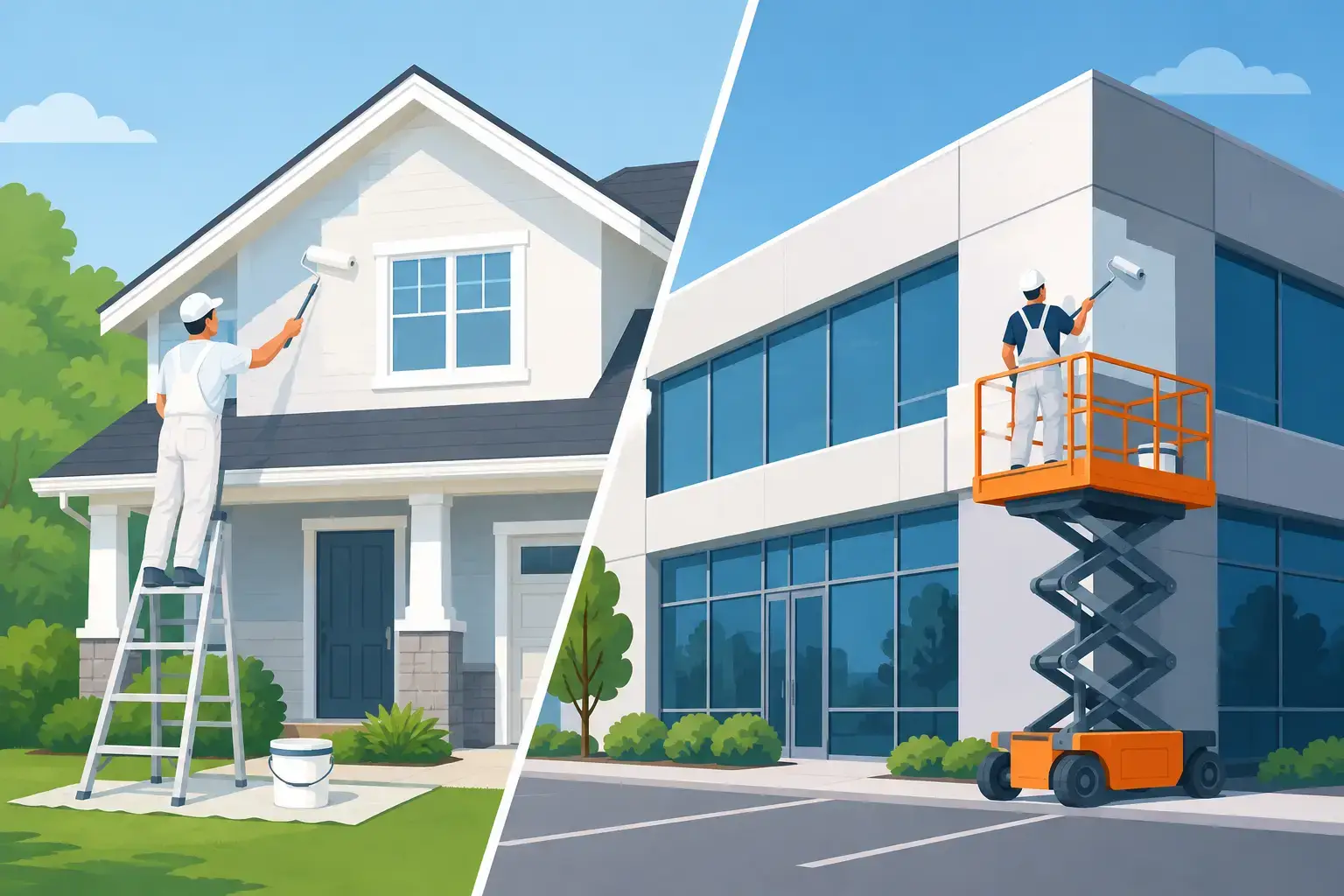
The most obvious difference is the type of property. Residential painting covers houses, apartments, townhomes, and other living spaces. Commercial painting applies to offices, retail stores, hospitality venues, medical rooms, strata common areas, warehouses, and similar business or shared-use environments.
However, the real distinction is not just building size. Residential work is usually personal and detail-driven, while commercial work is often operational and schedule-driven. A homeowner may be focused on creating a calm bedroom, updating an exterior, or repairing walls before selling. A commercial property manager may need durable finishes, safe access arrangements, minimal downtime, and a consistent result across a larger area.
A capable painting contractor adjusts the process accordingly. The standard of workmanship should remain high in both settings, but the planning behind the work needs to fit the space.
Residential Painting Is Built Around the Home
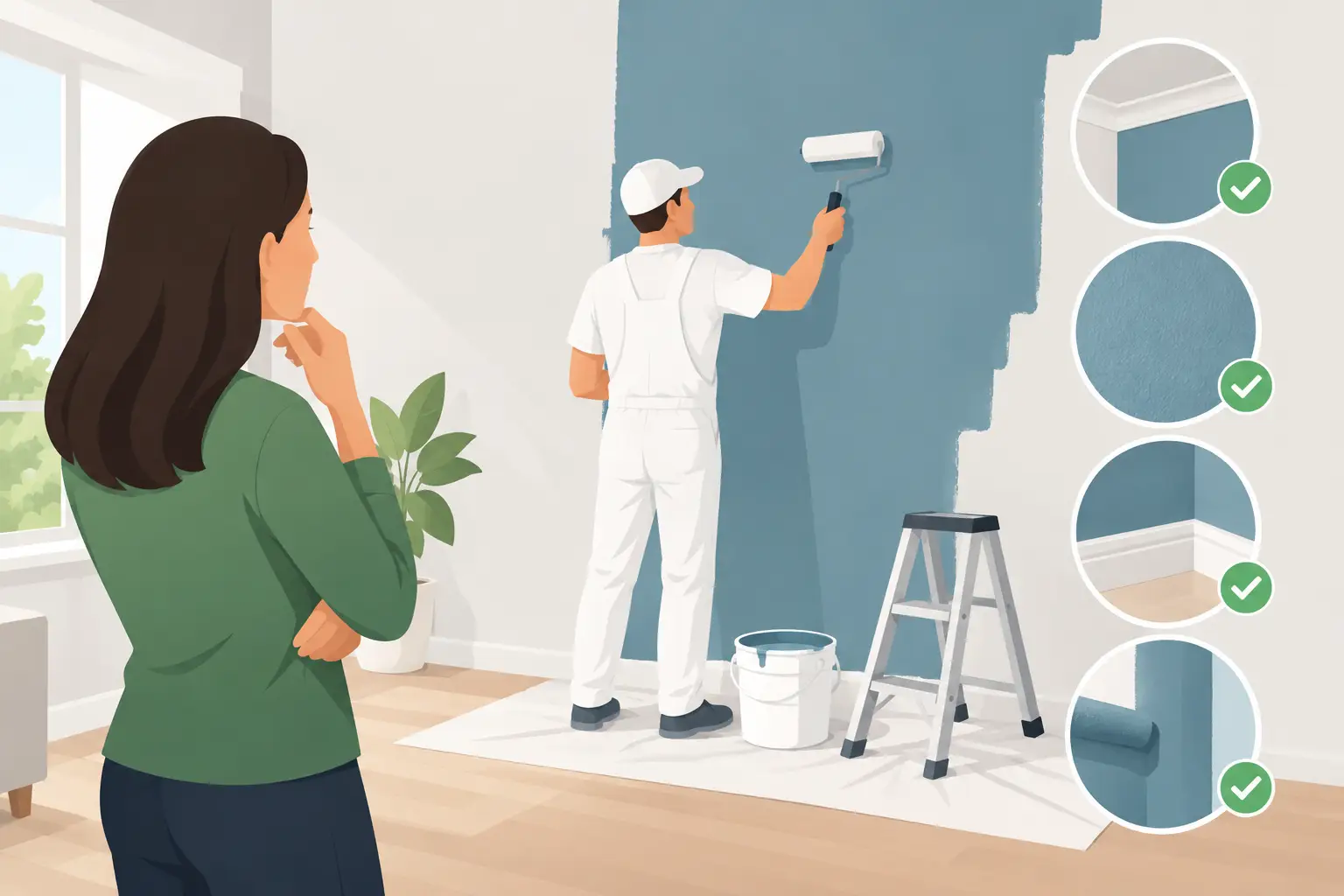
Painting a home involves working around the people and belongings inside it. That means protecting floors, furniture, cabinetry, and fixtures before work begins, then maintaining a tidy site throughout the job. For occupied homes, communication matters just as much as technical skill. Owners need to know when painters will arrive, which rooms will be unavailable, and when they can comfortably return to normal routines.
Surface preparation is particularly important in residential work. Small imperfections become noticeable in living areas where people spend time up close. Nail holes, dents, peeling paint, water stains, gaps around trim, and fine cracks need to be addressed before the finish coats are applied. Skipping this stage may save time initially, but it rarely delivers the polished result homeowners expect.
Interior finishes require careful choices
Paint sheen affects both appearance and maintenance. Flat or low-sheen finishes can create a soft, refined look on ceilings and main walls, while washable low-sheen, satin, or semi-gloss finishes may be more practical in hallways, kitchens, bathrooms, and on trim. The best choice depends on the room, lighting, existing surfaces, and how the space is used.
Color consultation can also make a substantial difference. A color that looks appealing on a small sample may feel very different across an entire open-plan room or in strong coastal light. Testing colors in the actual property, alongside flooring and furnishings, helps avoid expensive second thoughts.
Exterior homes face local conditions
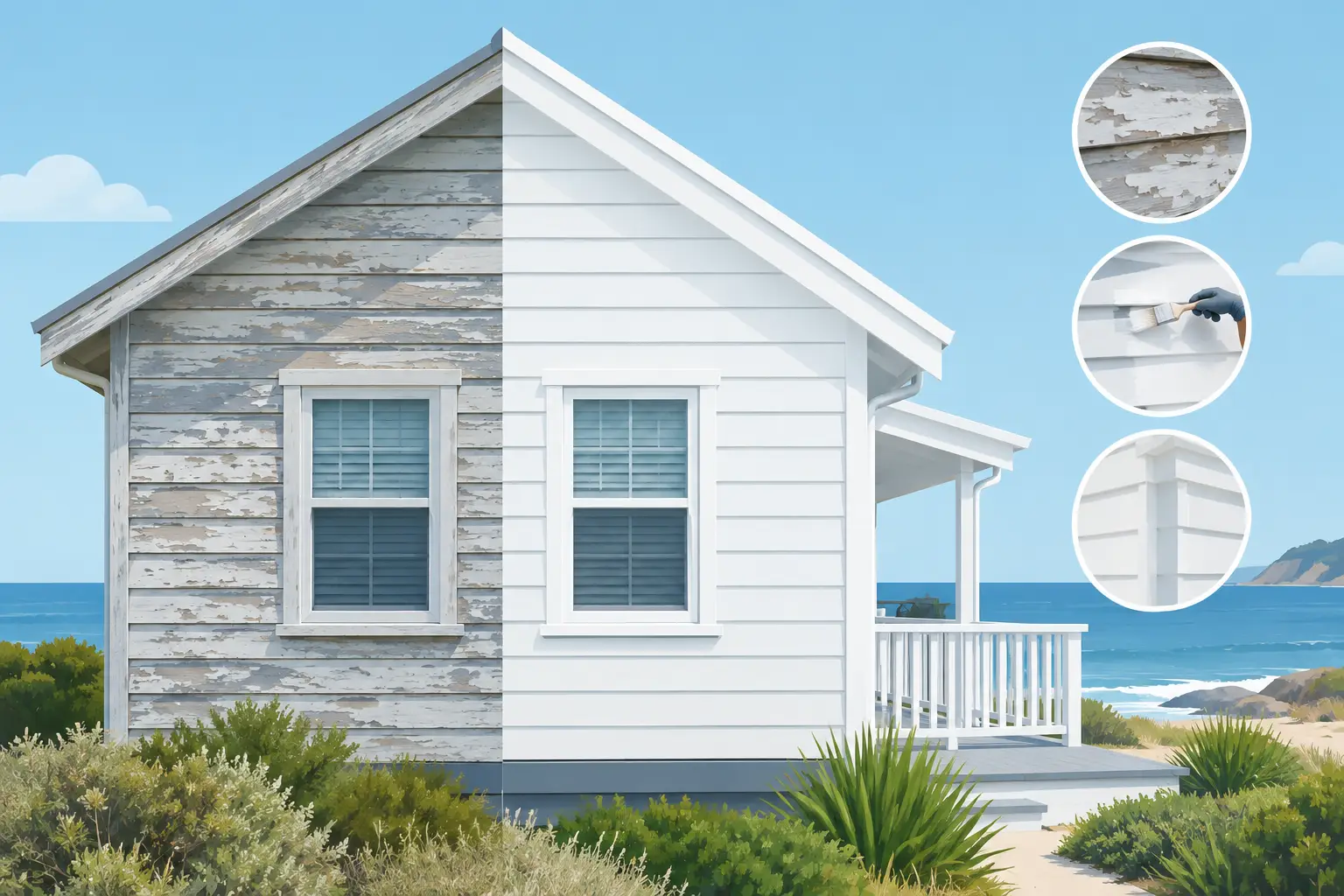
Exterior painting is both a visual upgrade and a protective maintenance task. On coastal properties, salt air, moisture, sun exposure, and wind can all affect painted surfaces. Timber, masonry, metal, and rendered walls each require suitable preparation and compatible coatings.
The condition of the existing paint determines much of the work. Flaking areas may need scraping and sanding, gaps may need sealing, and exposed substrates may require primer before topcoats are applied. A quality exterior finish depends on creating a sound surface underneath it, not simply covering what is already there.
Commercial Painting Is Built Around Operations
Commercial premises often have more complex logistical requirements. Access may involve ladders, lifts, scaffolding, elevated work platforms, loading zones, security procedures, or coordination with building management. There may also be stricter requirements for site safety, ventilation, signage, and protecting public areas.
Timing is usually central to a commercial project. An office may need work completed after hours. A retail space may need painters to work around trading periods. Common areas in apartment buildings need clear communication so residents can move through the property safely. The contractor’s ability to plan stages, keep the site orderly, and meet agreed milestones can be as valuable as the finish itself.
Commercial spaces also tend to experience more wear. Corridors, reception areas, stairwells, break rooms, and entry points are exposed to constant traffic. These areas may need more durable, washable coatings than a private living room. The right finish should be selected for cleanability and resilience, not just color.
Preparation Still Determines the Result
Whether the project is a single bedroom in Manly or a larger commercial site in Dee Why, careful preparation is the foundation of long-lasting painting. This is where a professional painting service earns its value.
Preparation can include cleaning surfaces, removing loose or failing paint, sanding uneven areas, filling cracks and holes, sealing stains, caulking gaps, treating minor surface damage, and applying the appropriate primer. The precise steps vary by substrate and condition. For example, a bathroom ceiling with moisture staining requires a different approach from a weathered timber exterior or a high-traffic office hallway.
There is a trade-off to understand here. A lower quote may appear attractive if it excludes repairs, extensive masking, priming, or adequate coats. Yet these are often the steps that determine whether paint looks even, adheres properly, and lasts. A clear quote should explain the work included, the surfaces being painted, and any assumptions about repairs or access.
Scale Does Not Always Mean Complexity
Commercial painting is not automatically harder because it covers more square footage. A vacant, open office with sound walls may be straightforward to paint efficiently. Conversely, a detailed residential interior with ornate trim, high ceilings, delicate finishes, and occupied rooms can demand exceptional care and time.
The better question is how complex the project is in practice. Consider the property condition, number of surfaces, access, working hours, required repairs, level of protection, and finish expectations. A professional contractor should assess these factors during the consultation rather than offering a one-size-fits-all price.
Choosing the Right Contractor for Either Project
Residential and commercial clients should both look for a painter who provides clear communication, detailed scope, quality materials, and a disciplined process. The contractor should be willing to discuss preparation, coatings, timing, and how they will protect the property while work is underway.
For homeowners, ask how rooms, floors, and furnishings will be protected, how repairs will be handled, and what the daily cleanup process looks like. For commercial clients, ask about project staging, access requirements, work hours, safety planning, and how disruption to staff, customers, tenants, or residents will be minimized.
It is also reasonable to ask what happens if unexpected issues are found after work starts. Hidden water damage, deteriorated timber, or failing previous coatings can alter the scope. A reliable team will explain the issue, provide options, and seek approval before proceeding with additional work.
A Better Painting Experience Starts Before the First Coat
The best projects begin with a detailed conversation, not a rushed estimate. The painter needs to understand how the space is used, what matters most to the client, and which finish will perform well over time. That includes practical considerations such as move-in dates, business hours, access restrictions, and the condition of existing surfaces.
Sharp Painting Services approaches both residential and commercial projects with the same commitment to careful preparation, clean work areas, clear pricing, and a polished final handover. The project plan changes to suit the property, but the expectation does not: a finish that looks exceptional and is completed with respect for the people using the space.
If you are deciding between a home refresh and a commercial upgrade, start by defining what the painted surfaces need to do after the job is finished. A beautiful color matters, but a durable, well-prepared finish and a well-managed project will keep delivering value long after the paint has dried.