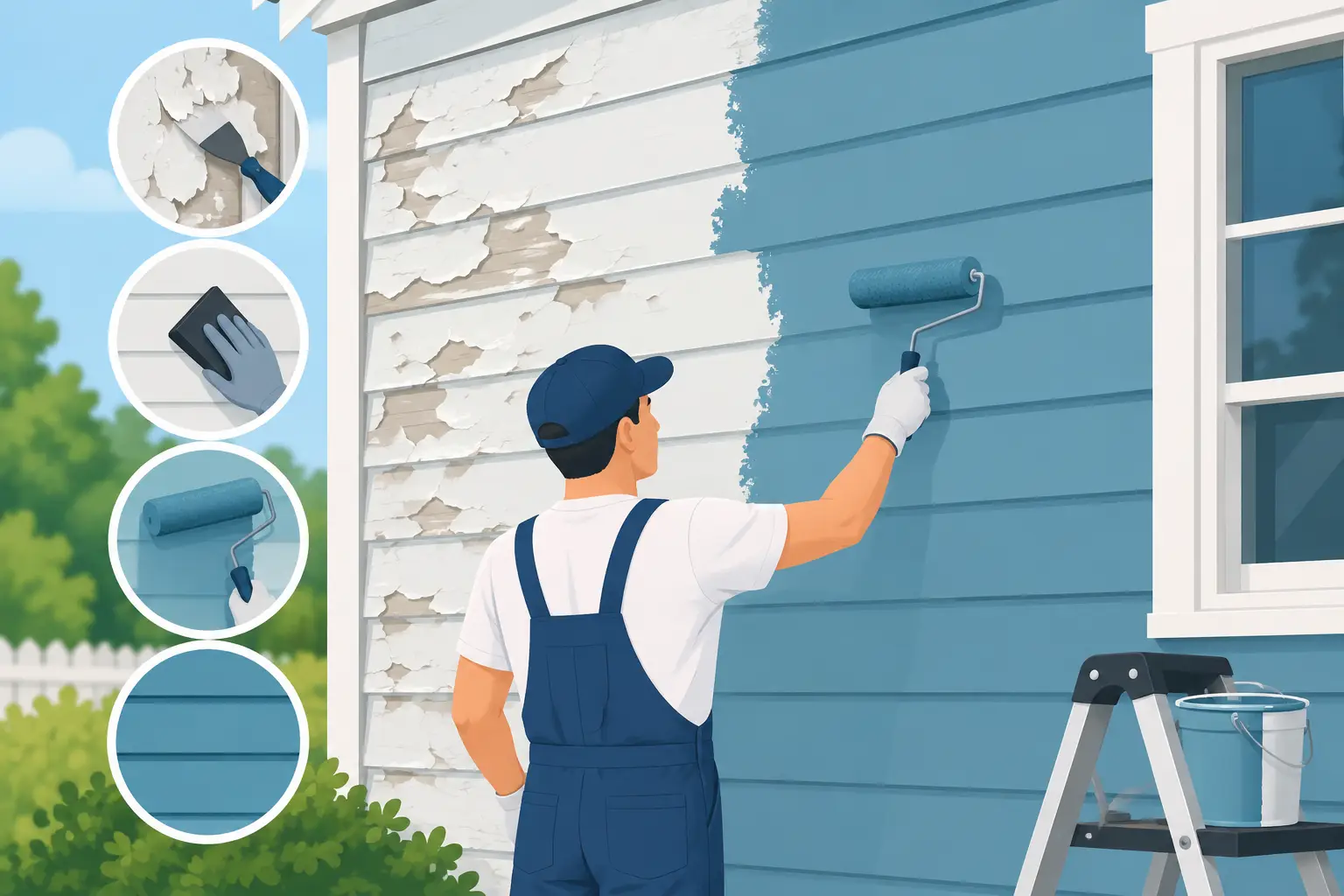


A commercial repaint should improve your premises without becoming the thing your staff, tenants, or customers talk about for weeks. This commercial painting project guide focuses on the decisions that protect your schedule, your property, and the finished result – from the first site walk-through to a clean handover.
For offices, shops, medical rooms, strata common areas, and other business spaces, painting is more than a cosmetic update. It can strengthen first impressions, make worn surfaces easier to maintain, and help protect walls and exterior finishes from daily use and weather exposure. The best outcomes come from planning the work around how the space actually operates.
Start With the Purpose of the Project
Before selecting colors or requesting a quote, define what the project needs to achieve. A retail tenancy may need a fresh, consistent appearance before reopening. An office may need colors that support a calmer, more professional environment. A building manager may be addressing scuffs, peeling coatings, water marks, or general wear across hallways and shared spaces.
This purpose shapes the scope. A simple refresh may involve walls, trims, and touch-ups. A longer-term maintenance project may require repairs, stain blocking, protective coatings, exterior preparation, or repainting areas in stages. Be clear about which rooms, elevations, ceilings, doors, frames, and fixtures are included. Small assumptions at the quoting stage can become costly variations later.
It also helps to identify the areas that receive the hardest use. Entryways, corridors, bathrooms, kitchens, loading areas, and meeting rooms often need a more durable finish than low-traffic offices. One paint system is not always the right answer for every surface.
Build a Scope That Matches Site Conditions
A reliable quote starts with a proper inspection, not a quick estimate based on floor plans or photographs alone. Existing paint condition, wall damage, access requirements, moisture issues, and occupied areas all affect the preparation and labor required.
During the consultation, point out any cracking, bubbling paint, dents, stains, rust, water damage, or previous patch repairs. These details matter because paint will not permanently hide a failing surface. If moisture has caused staining or paint failure, the source should be resolved before painting begins. Otherwise, the same problem may return beneath a new finish.
For properties around Sydney’s Northern Beaches, exterior surfaces can face salt air, strong sun, wind-driven rain, and general coastal wear. The right preparation and coating selection are particularly important on metalwork, timber trims, rendered walls, and exposed facades. A lower-cost product may look acceptable at first but require earlier maintenance in demanding conditions.
Ask for the scope to explain preparation as clearly as the painting itself. It should address surface cleaning, sanding, filling, repair work, priming, caulking where needed, and the number of finish coats. This gives you a more meaningful basis for comparing quotes.
Plan the Commercial Painting Project Around Operations
The central question is not simply, “How long will the painting take?” It is, “How can the work be completed with the least practical disruption?” The answer depends on your operating hours, site layout, noise tolerance, safety requirements, and whether customers or residents will remain on site.
An empty tenancy can often be painted efficiently during standard hours. A busy office, retail store, school, clinic, or apartment building may need a staged approach. Work may be scheduled after hours, over weekends, room by room, or floor by floor. Each option has trade-offs. After-hours work can reduce disruption but may increase costs or extend the calendar timeline. A staged project keeps the premises functioning but requires more coordination and careful protection between stages.
A clear site plan should cover access, keys or security procedures, parking, material storage, work zones, and daily cleanup. It should also identify any areas that must remain open, such as reception desks, emergency exits, elevators, bathrooms, or customer pathways.
Communication is just as important as the schedule. Staff, tenants, and neighboring businesses should know when work will occur, which spaces will be unavailable, and who to contact if access needs change. Good planning prevents the small surprises that slow a project down.
Protect People, Furniture, and Daily Work
Professional painters should protect floors, furnishings, equipment, and adjacent finishes before preparation begins. This may include drop cloths, plastic coverings, masking, dust containment, and moving or covering furniture where agreed.
For occupied sites, confirm who is responsible for clearing desks, removing wall-mounted items, relocating stock, and protecting sensitive equipment. A painter can protect a workspace well, but access is faster and safer when the client has prepared the area in advance. If computers, merchandise, or specialist equipment cannot be moved, raise this during the site visit so the protection plan is realistic.
Ventilation and odor should also be considered. Low-odor products can be a sensible choice for workplaces or shared buildings, particularly where people will return soon after painting. However, drying and curing times still matter. A surface can feel dry before it has developed its full resistance to cleaning, scuffing, or moisture.
Choose Colors and Finishes for Real Use
Color decisions should work under the lighting the space actually has. A shade that looks warm and clean in a showroom can appear cooler, darker, or more reflective under office LEDs or in a dim hallway. Test samples on the wall and view them at different times of day before approving a large area.
Consider the property’s purpose and maintenance needs, not just current trends. Lighter colors can make compact rooms feel more open, while mid-tone neutrals often hide minor marks better in high-traffic areas. Feature colors can strengthen branding, but they need to sit comfortably alongside floors, joinery, signage, and existing fixtures.
The finish level deserves equal attention. Flat or matte finishes can soften imperfections on broad walls, but they may be less suitable where frequent cleaning is expected. Low-sheen or washable finishes are often practical for offices, hallways, and reception areas. Semi-gloss or gloss coatings are commonly used on doors, trims, and metal surfaces because they provide a harder, easier-to-clean finish.
There is no universal best finish. The right choice balances appearance, cleanability, surface condition, and the amount of traffic each area receives.
Compare Quotes Beyond the Bottom Line
The cheapest commercial painting quote is not always the most economical option. A lower figure may reflect less preparation, fewer coats, lower-grade materials, limited protection, or unclear exclusions. Those omissions can affect both appearance and how long the finish lasts.
When comparing proposals, look for detail on the areas included, repairs allowed for, products and finishes, access assumptions, project timing, cleanup, and exclusions. If one quote appears significantly lower, ask what is different rather than assuming the same scope is being offered.
It is also reasonable to ask how unforeseen surface issues will be handled. Hidden damage is sometimes only visible after old coatings are cleaned or loose material is removed. A professional contractor should explain the process for documenting the issue, discussing options, and approving any additional work before it proceeds.
Set Clear Quality Checks Before Work Begins
A successful handover is easier when everyone agrees on the expected standard from the start. Confirm the approved colors, finish levels, areas to be painted, and any surfaces specifically excluded. If possible, inspect a small completed section early in the project, especially when a new color or finish has been selected.
During the work, a tidy site and regular updates are useful signs that the project is being managed carefully. At completion, walk through the premises with the contractor in good light. Check for consistent coverage, clean cut lines, smooth repairs, proper coverage around edges, and paint-free floors, fixtures, glass, and hardware.
Any touch-ups should be recorded clearly and completed before final sign-off. Keep a note of the paint brands, colors, finish levels, and leftover product for future maintenance. This is particularly useful for property managers and businesses that need to address minor marks without repainting an entire wall.
A Better Finish Starts Before the First Coat
Commercial painting is most successful when it is treated as a planned property improvement rather than a last-minute task. Careful scope definition, honest scheduling, thorough preparation, and durable materials create a result that looks professional on day one and continues to perform under daily use.
For a business or managed property, the right painting team should make the process feel organized: clear pricing, respectful conduct on site, protection of your space, and a finish you are comfortable showing customers, staff, tenants, and visitors. A detailed conversation before the work begins is often the simplest way to protect the result you expect.