
A wall color can look perfect on a sample card and still disappoint once the room is painted. Often, the issue is not the color at all. It is the sheen. When you choose paint finish for walls, you are deciding how the surface handles light, cleaning, scuffs, and the small imperfections that become more visible after the final coat dries.
The right finish makes a room feel considered and holds up to real life. The wrong one can highlight uneven plaster, show every mark from a busy hallway, or create a glare that changes the character of the color. A professional result starts with matching the finish to the room, the condition of the walls, and how the space is used.
What Paint Finish Actually Changes
Paint finish, sometimes called sheen, describes how much light a painted surface reflects. At one end are low-sheen finishes that absorb light and give walls a soft, calm appearance. At the other end are glossier paints that reflect more light and tend to be easier to wipe clean.
More shine does not automatically mean better durability, and flatter paint is not automatically difficult to maintain. Modern premium products have improved significantly. Still, sheen creates a practical trade-off: higher reflection generally makes cleaning easier, but it also makes dents, patching, and roller marks easier to see.
This matters particularly in rooms with strong natural light. A wall that looks smooth in the evening may reveal every repaired nail hole when morning sunlight falls across it at an angle. Careful surface preparation is what allows any chosen sheen to look its best.
How to Choose Paint Finish for Walls by Room
Start with the room’s daily demands rather than selecting a finish based on appearance alone. A quiet bedroom wall and a kitchen wall may be painted in the same color, but they need to perform very differently.
Living Rooms, Bedrooms, and Dining Areas
Matte and flat finishes are popular in low-traffic spaces because they create a refined, low-reflective look. They soften strong light and do an excellent job of concealing minor variations in older walls, plaster, and drywall. For a formal living room, bedroom, or dining area, this understated finish can make color feel richer and more consistent.
The consideration is cleanability. Traditional flat paints can mark more easily, especially around switches, doorways, and furniture. A high-quality washable matte is often the better choice for family homes. It preserves the calm appearance of a flat wall while giving you more confidence when light cleaning is needed.
Hallways, Stairwells, and Entryways
These are the hardworking areas of a home. Bags brush against walls, hands touch corners, pets pass through, and furniture gets moved. An eggshell or low-sheen finish is usually a practical choice because it provides a subtle level of washability without looking noticeably glossy.
Eggshell has a gentle softness and works well in spaces where you want a polished appearance with a little more resilience. In homes with active children, pets, or frequent visitors, a quality low-sheen finish can be a sensible step up from matte.
Kitchens, Bathrooms, and Laundry Rooms
Moisture, steam, splashes, and regular cleaning change the decision here. Satin finishes are commonly chosen for walls in kitchens, bathrooms, and laundries because they are durable, easy to wipe, and more resistant to staining than lower-sheen options.
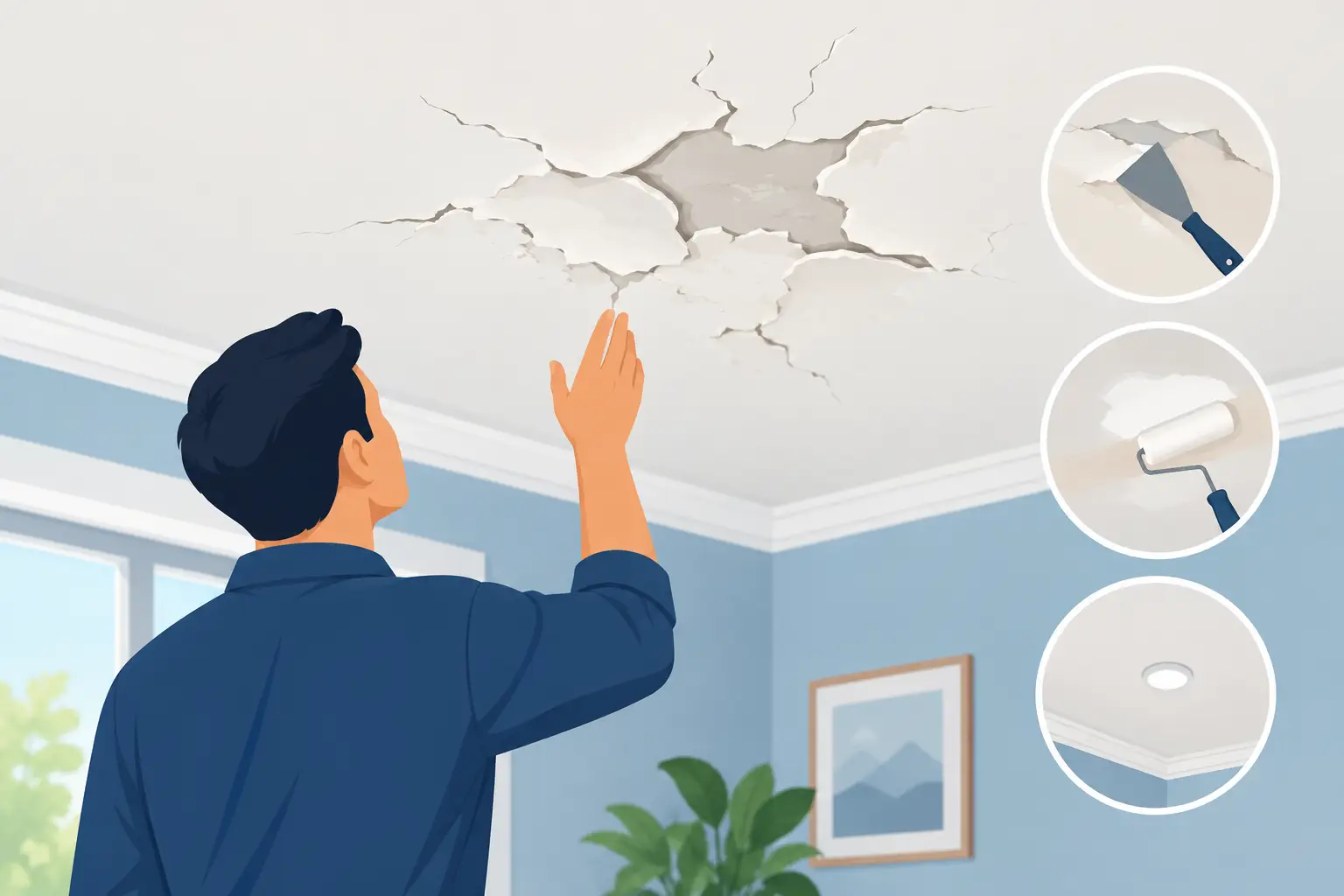
A satin finish reflects more light than eggshell, so wall preparation needs to be thorough. Cracks, uneven repairs, and rough patches should be repaired and sanded before painting. In bathrooms, choosing a quality paint formulated for humid conditions is as important as selecting the sheen itself. The finish should support cleaning and moisture resistance without making the room feel harshly reflective.
Kids’ Rooms and Play Areas
For children’s rooms, the answer depends on the age of the child and how the room is used. Washable matte or eggshell often provides the best balance. It keeps the room soft and comfortable while allowing everyday fingerprints and marks to be cleaned more easily than with basic flat paint.
Satin can be worthwhile near craft areas, bunk beds, or spots that take regular knocks. Rather than using a high sheen across every wall, it can be more effective to use durable finishes strategically where they are needed most.
Consider the Condition of Your Walls First
A paint finish can enhance good preparation, but it cannot hide poor preparation. In fact, the glossier the finish, the more clearly it exposes surface flaws. This is why the same finish may look excellent in one home and disappointing in another.
Before choosing sheen, look closely at the wall surfaces in daytime. Are there old patches, hairline cracks, ripples, peeling paint, or visible roller texture? Have walls been repaired after electrical work or picture removal? Low-sheen finishes are more forgiving, while eggshell and satin demand greater attention to filling, sanding, priming, and application technique.
For homes with older plaster or walls that have seen several renovations, a washable matte is often a strong option. It delivers a clean, contemporary look while reducing the visual impact of minor surface irregularities. If you prefer satin for durability, allow for the preparation work needed to make it look right.
Light Can Change the Result
The amount and direction of light in a room should influence your decision. North-facing rooms and spaces with limited daylight may benefit from a modestly reflective finish that helps the room feel brighter. On the other hand, rooms with large windows, glossy flooring, or direct afternoon sun can feel overly bright when walls have too much sheen.
Artificial lighting matters as well. Downlights can cast concentrated pools of light that reveal inconsistencies in glossy surfaces. A soft matte or eggshell finish often gives more forgiving results under layered lighting.
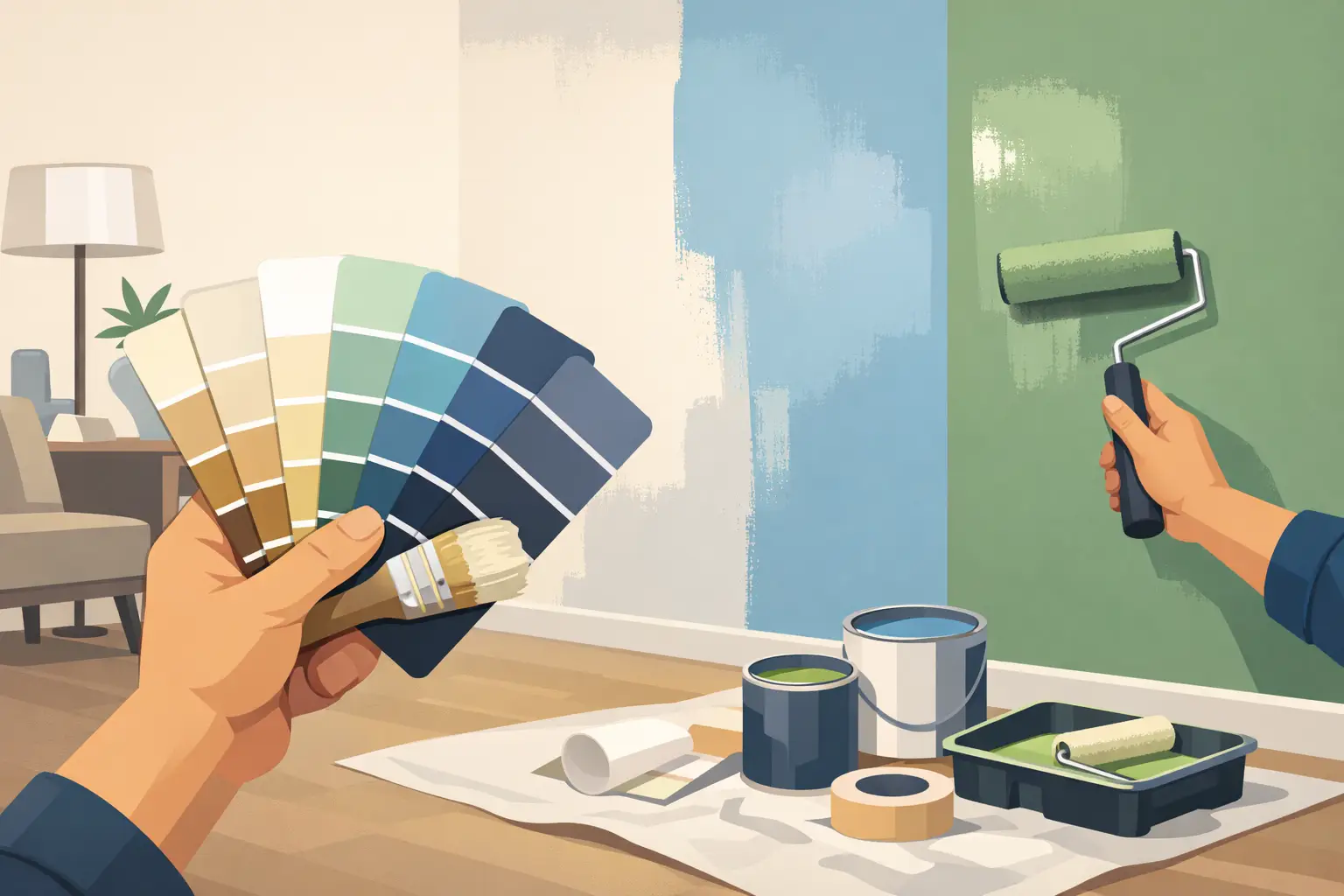
It is helpful to test both color and finish on a larger sample board or discreet wall area. Check it in morning, afternoon, and evening light before committing. A color’s undertone and a finish’s reflection can shift considerably throughout the day.
Do Not Use One Finish Everywhere by Default
Using one finish throughout the home can simplify selection, but it is not always the best result. A thoughtful scheme usually keeps the wall sheen consistent across connected dry living spaces, then adjusts it in high-moisture or high-contact rooms.
For example, matte or washable matte may suit bedrooms, living spaces, and ceilings, while eggshell works well for hallways and satin supports kitchen, laundry, and bathroom walls. Trim, doors, and baseboards are commonly finished in a more durable satin or semi-gloss paint to withstand regular cleaning and contact.
Consistency still matters. Too many changing sheens can make a home feel visually busy, particularly in open-plan spaces. The goal is a finish plan that has a clear reason behind each choice, not a different sheen in every room.
Why Quality Materials and Application Matter
The finish named on the can is only part of the equation. Two paints labeled eggshell can look and perform quite differently depending on their formulation, pigment quality, and application. Premium interior paints usually offer better coverage, smoother flow, stronger washability, and a more even final appearance.
Application also affects sheen. Uneven roller pressure, missed back-rolling, insufficient drying time, or painting over poorly prepared repairs can create flashing – visible patches that reflect light differently. This is especially noticeable with darker colors and higher-sheen products.
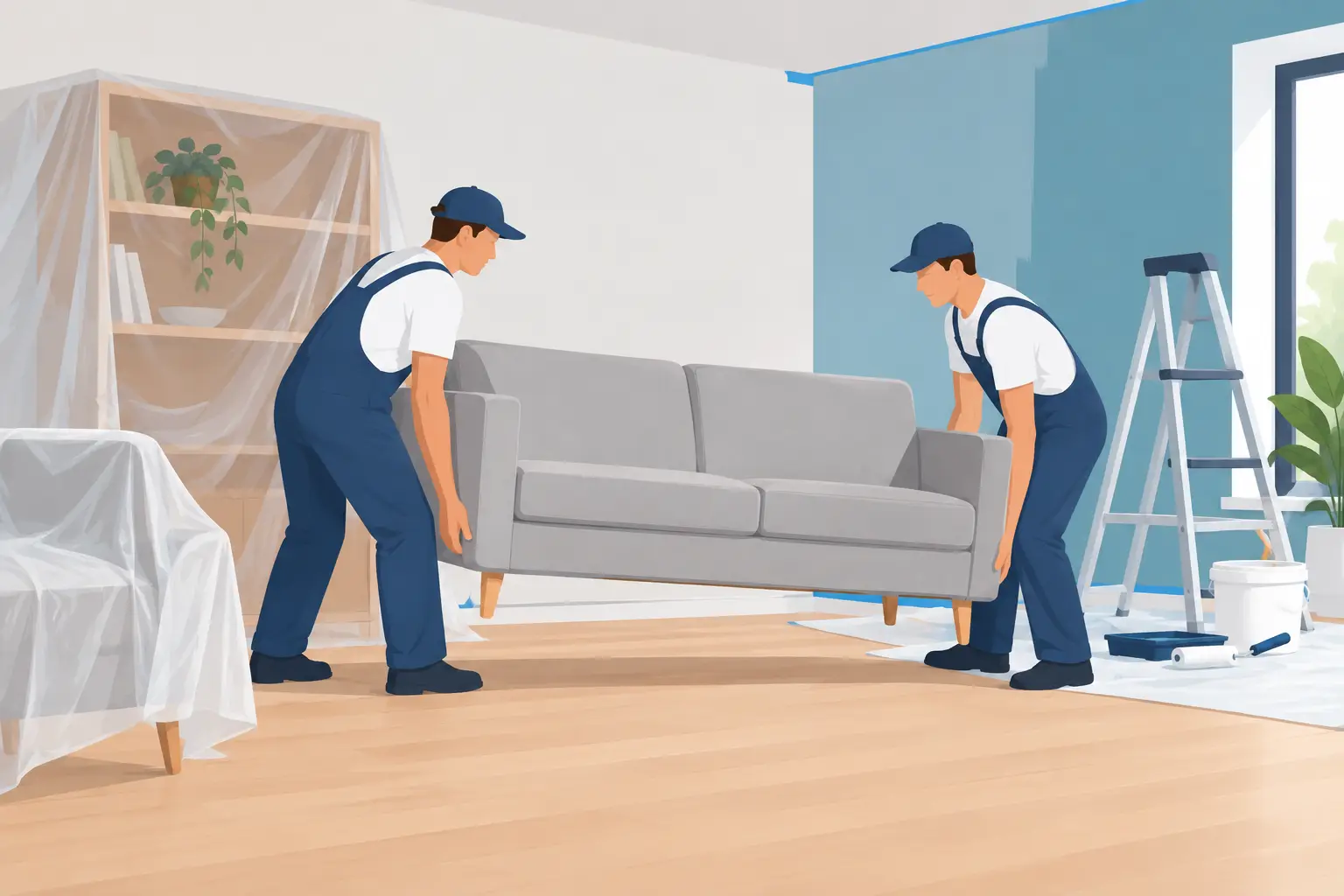
A skilled painting team plans the finish selection alongside the prep work. Furnishings and flooring are protected, wall defects are repaired, suitable primers are used where needed, and each coat is applied for consistent coverage. Those steps are what make a finish look smooth, durable, and intentional rather than merely fresh.
A Practical Finish Plan for Most Homes
If you want a dependable starting point, choose washable matte for low-traffic living spaces and bedrooms, eggshell or low sheen for hallways and other active areas, and satin for kitchens, bathrooms, and laundries. Use satin or semi-gloss on trim and doors where washability is a priority.
That plan is not a fixed rule. A carefully maintained adult household may prefer matte walls throughout. A busy family home may prioritize washable eggshell in more rooms. A wall with visible surface movement may need a lower-sheen option even in a high-traffic space, with more regular touch-ups accepted as the trade-off.
The best result comes from looking at the room as it will actually be lived in. Consider the light, the wall condition, the people using the space, and the level of maintenance you are comfortable with. A well-chosen finish should make your walls look exceptional on handover day and continue to suit your home long after the paint has cured.