
A freshly painted room should feel like an upgrade, not like a week of living around misplaced sofas and dusty belongings. So, do painters move furniture? Usually, professional painters will help move or reposition standard, manageable furniture to create a safe working area. However, the exact arrangement depends on the scope of work, the size and weight of each item, and what was agreed upon before the job begins.
The best outcome comes from a clear plan. Before painting starts, your contractor should explain what their team will move, what you should remove yourself, and how furnishings, floors, and nearby areas will be protected.
Do Painters Move Furniture During Interior Painting?
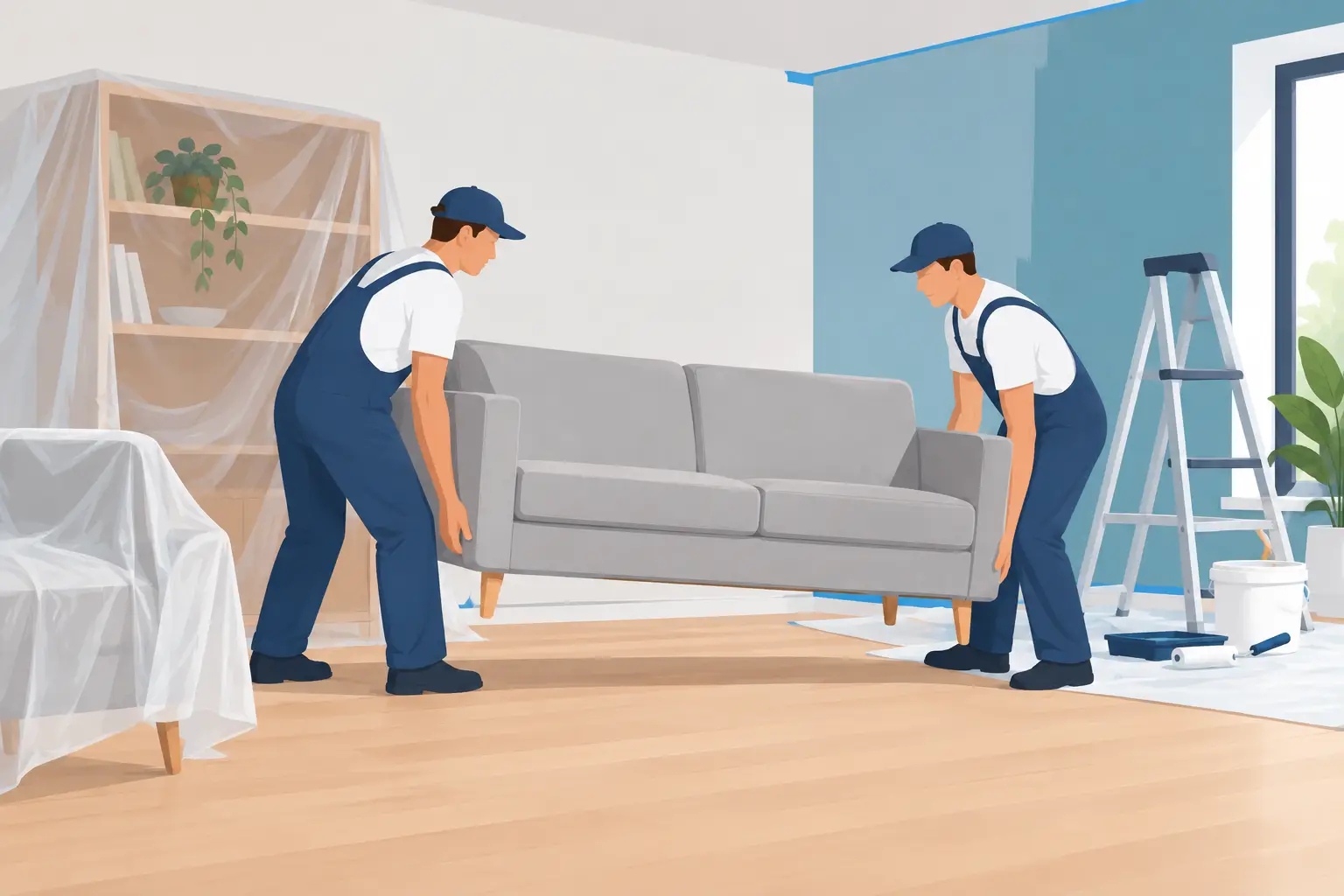
For most interior painting projects, painters move lighter furniture away from walls or into the center of the room. This can include chairs, side tables, dining tables, small bookcases, and lightweight beds that can be shifted safely without risking damage to the item, the home, or the crew.
Once furniture is moved, a professional team covers it with clean plastic sheeting or drop cloths. Floors are protected as well, particularly in traffic areas, along baseboards, and near doors where equipment and paint supplies need to pass. The goal is to provide enough room for careful preparation and application while keeping your belongings shielded from dust, paint splatter, and scuffing.
That said, furniture moving is not a one-size-fits-all service. A single bedroom with a bed and two nightstands is very different from a furnished living room with a large sectional, a wall-mounted television, heavy cabinetry, and delicate decor. A detailed estimate should account for those differences before work is scheduled.
What Painters May Not Move
Some items are better handled by the homeowner, a specialist mover, or another qualified trade. This is not about avoiding work. It is about protecting valuable possessions and preventing avoidable injuries or damage.
Large, heavy, fragile, or built-in items often need separate arrangements. These may include antique furniture, pianos, oversized wardrobes, large aquariums, glass display cabinets, safes, pool tables, wall-mounted electronics, and furniture that requires disassembly. Painters may also ask clients to remove personal items from shelves, cabinets, and tabletops before the crew arrives.
Artwork, mirrors, lamps, collectibles, and electronics should generally be packed away by the owner. You know which items are irreplaceable, fragile, or connected in a particular way. Removing them beforehand gives painters a clear, uncluttered work zone and reduces the chance of an accidental knock while ladders, extension poles, and protective coverings are in use.
If an item is unusually heavy or has sentimental or financial value, mention it during the consultation. It is far better to plan for it early than to make a rushed decision on the morning painting begins.
Why Furniture Needs to Be Moved or Covered
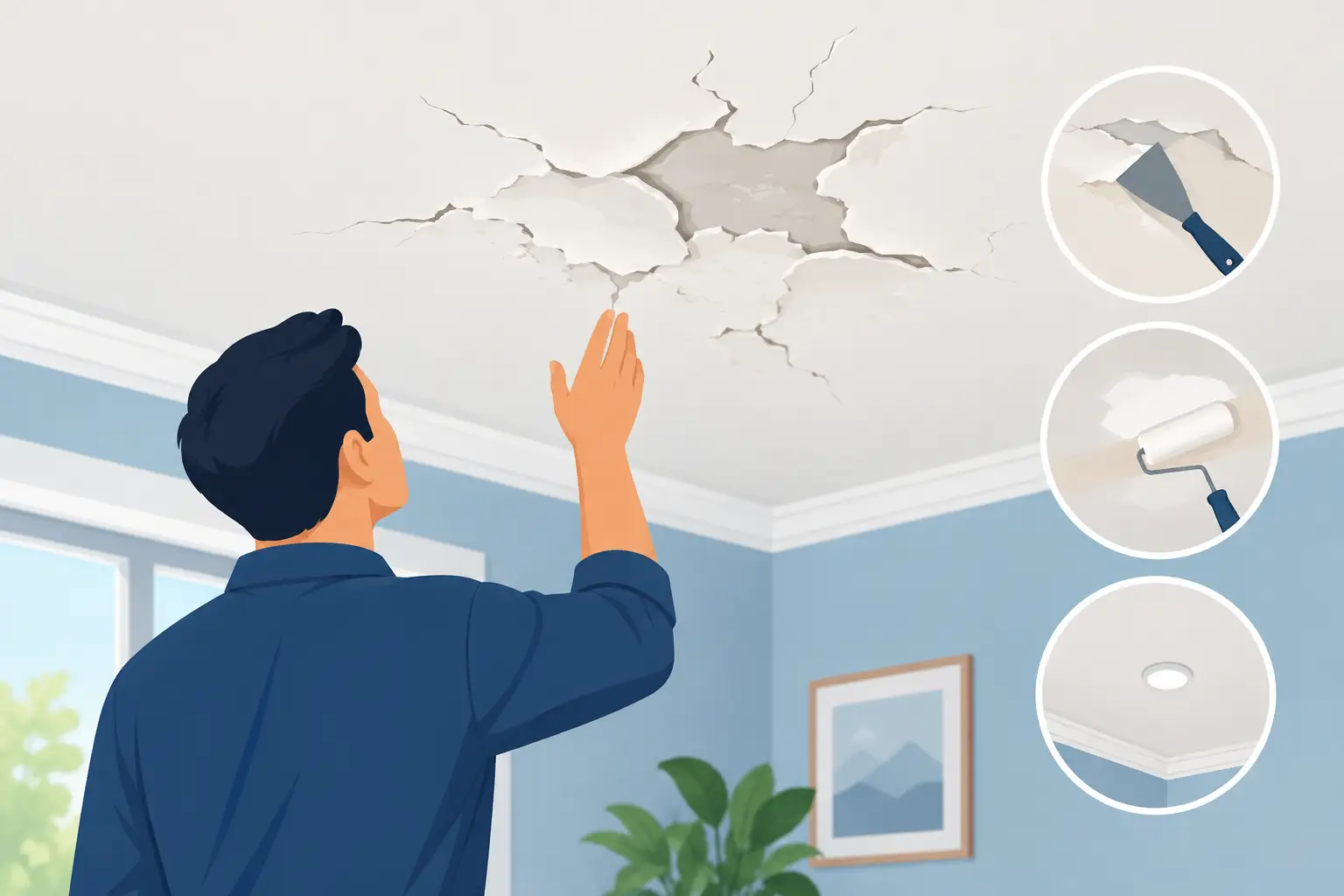
Painters need access to more than just the visible section of wall. Proper preparation often involves cleaning surfaces, filling dents and cracks, sanding repaired areas, caulking gaps, and masking trim, windows, or fixtures. Without enough clearance, it becomes difficult to prepare the lower wall areas, corners, baseboards, and spaces behind furniture to the same standard as the rest of the room.
Moving furniture away from the walls also helps create a more consistent finish. Painting around a crowded room can leave missed edges, uneven cut-in lines, or areas that are difficult to inspect. A few extra minutes spent setting up the room correctly supports a cleaner, more durable result.
Professional protection matters just as much. Drop cloths, floor coverings, plastic sheeting, and careful masking protect your home while the work is underway. On a well-managed project, the room should be left tidy at the end of each day, with tools and materials organized rather than spread through the home.
How Far Should Furniture Be Moved?
In many rooms, furniture can be moved toward the center and covered, leaving a clear path around the perimeter. This is often the most practical option because it avoids unnecessary removal from the room while providing painters access to the walls and trim.
For a full-room repaint, a clearance of several feet from the walls is usually helpful. For ceiling work, furniture may need to be gathered more tightly in the center and covered completely. For a feature wall or a small repair, less movement may be required, but the area still needs to be clear enough for safe ladder placement and careful preparation.
There are cases where removing furniture from the room entirely is the better choice. This is especially true in compact bedrooms, narrow apartments, rooms with extensive wall repairs, or spaces receiving ceiling, wall, trim, and door painting at the same time. An empty room gives the team full access and may allow the work to be completed more efficiently.
What Homeowners Should Do Before the Painters Arrive
Your painters should handle the worksite protection and explain the preparation expected of you. Still, a little homeowner preparation makes the first day run more smoothly and helps keep the project on schedule.
Start by removing small, fragile, and personal belongings. Clear shelves, tabletops, dressers, window ledges, and the area around the walls being painted. Take down photos, artwork, curtains, and removable wall decor unless your painter has specifically advised otherwise.
Next, consider access. Make sure the team can reach the room without navigating through boxes, toys, or stored items. If there are pets, arrange a secure and comfortable place for them away from active work areas. Painting involves doors opening, ladders moving, and materials being carried in and out, so a clear path is safer for everyone.
It also helps to identify anything that must stay in place. Perhaps a large cabinet cannot be moved, or a home office needs to remain partly operational. Let the contractor know before the project begins. In many cases, the team can work around a fixed item, but this may affect the preparation approach, the amount of accessible wall area, or the timeline.
Questions to Ask Before You Book
Furniture handling should be included in the conversation before you accept an estimate. Ask whether standard furniture moving and covering is included, which items the crew will not move, and whether you need to clear shelves and wall decor. You can also ask how floors will be protected, whether rooms will be usable overnight, and what cleanup will look like at the end of the project.
For apartments, strata properties, and commercial spaces, access is another practical consideration. Elevators, loading zones, narrow hallways, operating hours, and building rules can affect how materials and protective equipment are brought in. A painting contractor who plans these details early is less likely to cause disruption once work is underway.
At Sharp Painting Services, clear expectations are part of a well-run painting project. The team can assess each room during the consultation, identify access or furniture concerns, and provide practical guidance before the work starts. That preparation supports clean work areas, careful surface preparation, and a polished finish without unnecessary surprises.
When It Makes Sense to Move Furniture Yourself
If you are comfortable doing so, moving small furniture and clearing personal items before painters arrive can save time on the first day. It is particularly useful if you want furniture placed in a specific temporary location or prefer to handle delicate belongings personally.
Avoid trying to shift large furniture without help just to make the room ready. Scratched floors, strained backs, and damaged pieces can turn a simple preparation task into a costly problem. Tell your painter what remains in the room, and agree on the safest plan.
A professional painting job is as much about care as it is about color. When the furniture plan is discussed upfront, painters can focus on what you hired them to do: prepare every surface properly, protect the home, and leave the room looking clean, finished, and ready to enjoy.