

A fresh coat of paint can change the feel of a Manly home quickly, but a finish that still looks sharp after seasons of salt air, sun, and daily use takes more than a good color choice. Searches for manly top house painters usually come from property owners who want the job handled properly: clear advice, careful preparation, reliable timing, and a clean result that lasts.
The difference is rarely just in the final coat. It is in the work completed before painting starts, the materials selected for the surface and setting, and the level of care shown inside your home or around your property. Whether you are updating one room, preparing an apartment for new tenants, or restoring an exterior, these are the standards worth looking for.
What Top House Painters in Manly Do Before Painting
Professional painting starts with an inspection, not a paintbrush. Walls, ceilings, trim, exterior cladding, masonry, and metalwork all need different preparation and coating systems. A contractor should assess the current condition of the surface, identify cracking, peeling, stains, moisture concerns, and worn sealants, then explain the recommended approach in straightforward terms.
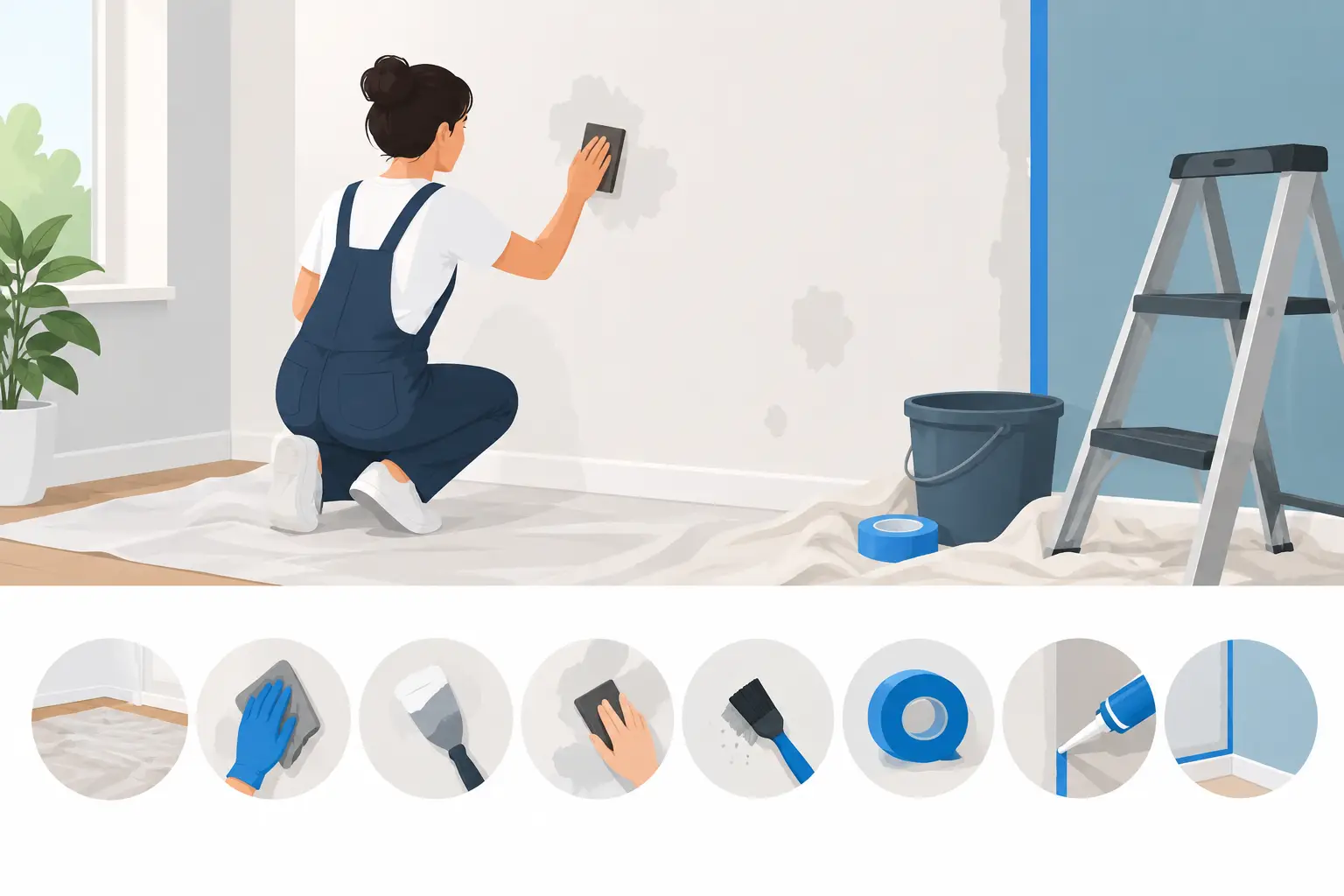
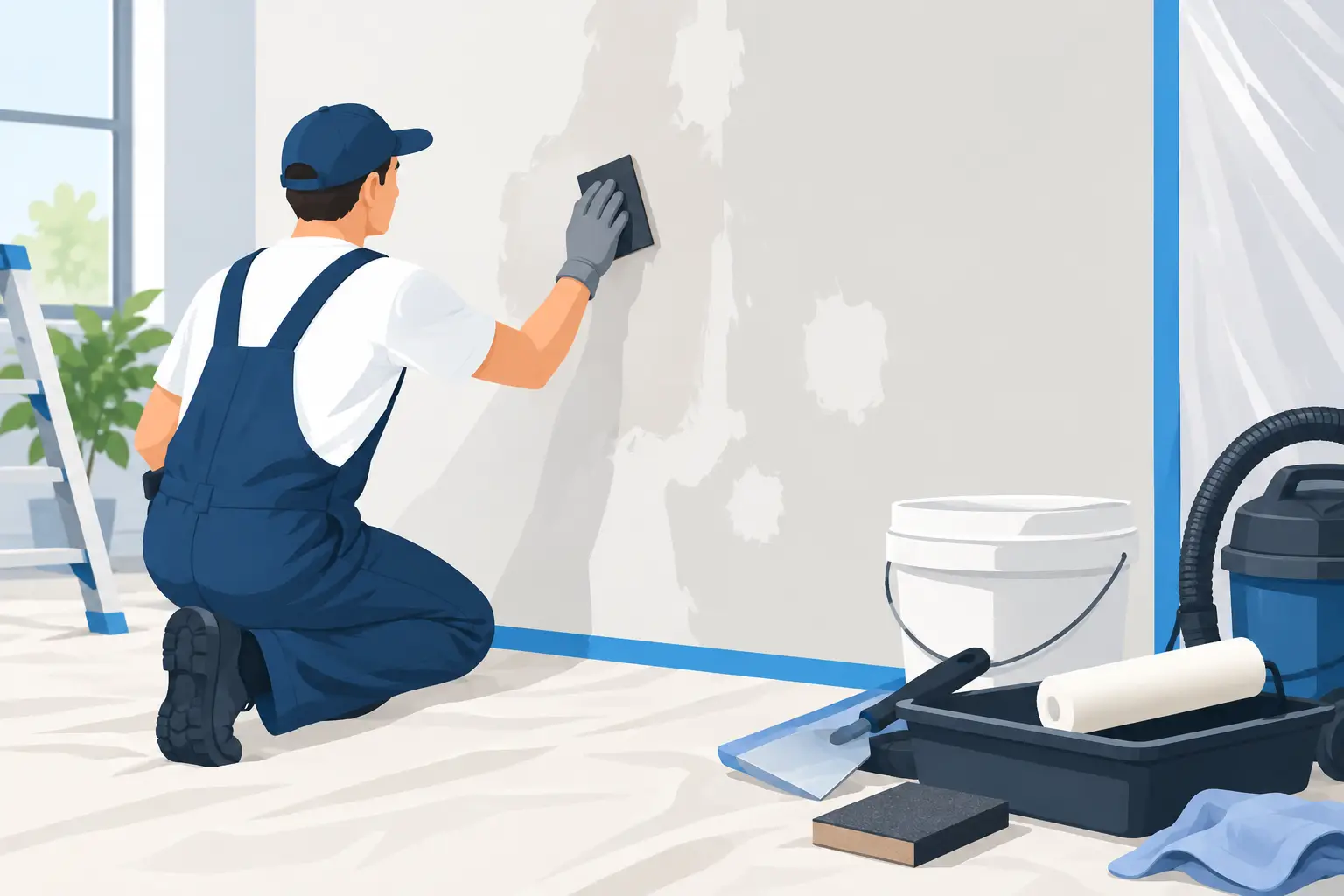
Preparation is where a long-lasting finish is won or lost. Interior walls may need holes filled, dents repaired, stains sealed, and glossy surfaces sanded before new paint can bond properly. Exterior surfaces often require washing, scraping loose paint, treating mildew where present, sanding rough edges, and priming exposed areas. Skipping these steps can leave even premium paint looking uneven or peeling earlier than it should.
In coastal areas, this attention matters even more. Salt-laden air, strong UV exposure, wind-driven rain, and humidity can put pressure on exterior coatings. The right painter will not treat every property the same. They will recommend products and preparation that suit the substrate, the amount of weather exposure, and the condition of the existing paintwork.
A Detailed Quote Should Make the Scope Clear
A low figure can be appealing, particularly when several rooms or an entire house are involved. However, a quote only has value when you understand what it includes. Comparing estimates is not simply about finding the lowest total. It is about comparing the scope of work, preparation allowance, number of coats, paint quality, access requirements, and cleanup.
A clear estimate should identify the areas being painted and outline what surface repairs are included. It should also state whether ceilings, walls, doors, trim, decks, fences, or exterior elements are included, rather than leaving room for assumptions. If there is work that cannot be fully priced until preparation begins, that should be explained upfront.
Ask how the painter handles changes to scope. Older homes can reveal hidden issues once loose paint is removed, while rental and commercial properties may require work to be scheduled around occupants or operating hours. A dependable contractor communicates early, provides practical options, and does not leave you guessing about cost or timing.
Materials and Finishes Must Suit the Space
The most expensive paint is not automatically the right choice. The best product depends on where it will be used and what the surface needs to withstand. High-traffic hallways, family rooms, kitchens, bathrooms, bedrooms, and exterior render each call for a considered finish.
For example, a washable low-sheen finish can be a practical choice for interior walls because it balances a soft appearance with easier cleaning. Ceilings often benefit from a flatter finish that reduces the visibility of minor imperfections. Trim and doors usually need a more durable coating, while bathrooms and laundries require products designed to manage moisture and regular cleaning.
Color guidance is equally valuable. A bright white may suit a sunlit living room yet feel stark in a shaded hallway. Dark exterior colors can make a strong architectural statement, but they may show fading, dust, or surface imperfections more readily on certain elevations. An experienced painter helps narrow the options by considering natural light, existing fixtures, neighboring finishes, and the overall character of the property.
Clean, Careful Work Is Part of the Service
Painting is disruptive enough without avoidable mess. Before work begins, professional painters should protect flooring, furnishings, landscaping, and nearby surfaces. That means using drop cloths and coverings where needed, masking carefully, moving or protecting furniture by agreement, and keeping tools and materials organized throughout the project.
A clean site is also a sign of disciplined workmanship. Paint splatters on hardware, uneven cut-in lines, drips on trim, and debris left after completion can turn a promising update into a frustrating experience. Good painters inspect their work as they go, rather than waiting until the final day to find problems that should have been corrected earlier.
For occupied homes, apartments, and business premises, respect for the space also means minimizing interruption. Discuss access arrangements, working hours, ventilation, pets, parking, and any areas that need to remain in use. The best plan depends on the property, but communication makes the process far easier for everyone.
Reliability Shows Up in the Small Details
A polished result matters, but so does the experience of getting there. Punctual arrivals, prompt updates, and realistic scheduling help homeowners and property managers plan around the work. If weather affects an exterior project or additional repairs are needed, you should hear about it directly and early.
Look for painters who are willing to walk through the project before starting and again at completion. The first conversation confirms colors, finishes, access, and the agreed scope. The final walkthrough provides an opportunity to review the work together, raise any reasonable touch-up items, and ensure the site is clean.
This level of process is especially helpful for landlords, strata-connected owners, and commercial managers who may not be on site every day. Clear communication creates accountability and gives decision-makers confidence that the property is being looked after.
Questions Worth Asking Before You Book
You do not need to become a painting expert to choose a contractor well. A few direct questions will reveal how organized and transparent a painter is. Ask what preparation is included, which products and sheen levels are recommended, how many coats will be applied, and how the team will protect floors, furniture, and landscaping.
It is also sensible to ask about the anticipated start date and duration, particularly if you are coordinating other trades, tenants, or a move. For exterior work, ask how weather delays are managed. For interiors, confirm whether minor repairs, stain blocking, and sanding are included or priced separately.
Finally, ask to see examples of comparable completed work. An apartment repaint, a heritage-style home, and a weathered coastal exterior can all require different skills. Relevant experience gives you a better indication of the finish and service you can expect.
The Value of a Proper Painting Process
Choosing a painting contractor is not just a decision about color. It is a decision about protecting and improving an important asset. Quality preparation, suitable materials, skilled application, and respectful site management create a finish that looks better on day one and performs better over time.
Sharp Painting Services approaches each project with that standard in mind, from the initial consultation and transparent estimate through to surface repairs, careful application, and final cleanup. The right painter should leave your property looking transformed, while making the process feel organized and straightforward from the first conversation onward.
When comparing painters, trust the contractor who takes time to understand the job before promising a price. A well-prepared surface and a well-managed project will keep paying off long after the paint has dried.