
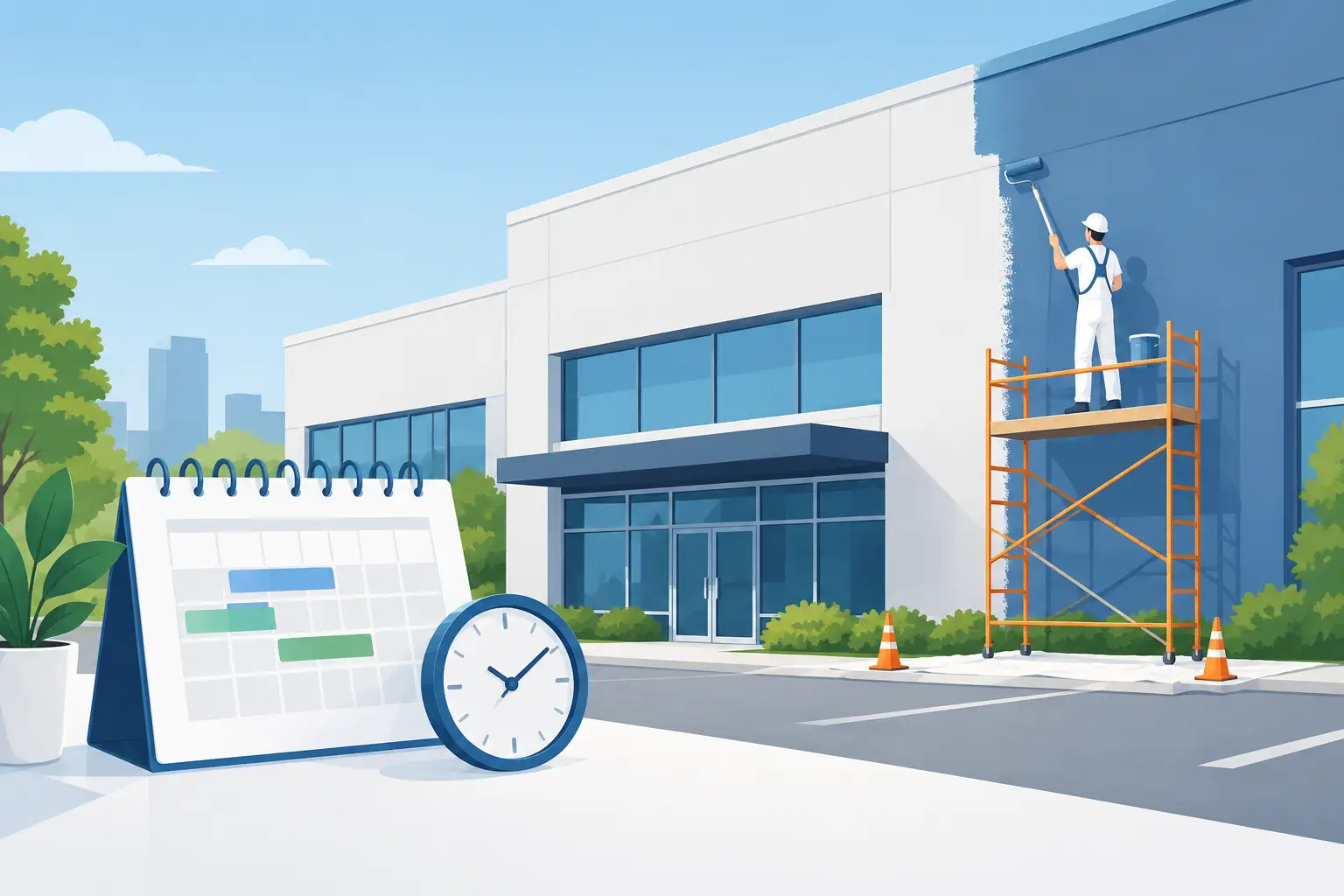
A repaint can make a tired office, retail space, strata common area, or hospitality venue look properly cared for again. But knowing how to schedule commercial repainting is about more than choosing a start date. The right plan protects trading hours, keeps tenants informed, gives surfaces enough time to cure, and allows the painters to deliver a finish that holds up to daily use.
For commercial property managers and business owners, the goal is simple: visible improvement without avoidable interruption. That calls for clear decisions before the first drop cloth is laid down.
Start With the Operational Calendar
The best repainting schedule begins with the way the premises actually operate, not with the painter’s first available date. Identify your busiest periods, delivery windows, staff shifts, customer appointments, tenant move-ins, and any events that cannot be moved. A reception area may be quiet after 5 p.m., while a medical practice might need work completed over a weekend to keep patient areas available.
Ask department leaders, building managers, and tenants for practical input early. They often know where access becomes difficult, which rooms contain sensitive equipment, and when noise or odor would create a problem. This step prevents a common mistake: scheduling a painting project around general opening hours while overlooking the specific times a space is most heavily used.
For multi-tenant properties, allow time for notices and approvals. A well-timed email is helpful, but it should be followed by clear on-site signage stating the work area, dates, expected access changes, and a contact person for questions. People are more patient with temporary inconvenience when they know exactly what to expect.
How to Schedule Commercial Repainting by Area
A full closure is not always necessary. In many cases, commercial repainting can be staged so the business remains open and functional. The right approach depends on the building layout, the scope of repairs, ventilation, and the type of finish being applied.
Divide the project into logical zones, such as meeting rooms, corridors, lobby areas, restrooms, exterior elevations, or individual suites. Complete one zone before moving to the next wherever possible. This gives staff and customers a clear path through the building and avoids the untidy feeling of having multiple work fronts open at once.
High-traffic spaces often suit evening, overnight, or weekend work. Back-of-house rooms may be completed during normal hours if they can be isolated safely. Exterior work can sometimes proceed while the interior remains fully operational, although access, parking, pedestrian routes, and weather still need to be considered.
There is a trade-off. After-hours work can reduce disruption, but it may add cost due to labor arrangements, security access, lighting, or site supervision. Daytime work may be more economical and allow easier communication with site contacts. A detailed quote and project plan should make these choices clear before work begins.
Give Preparation the Time It Deserves
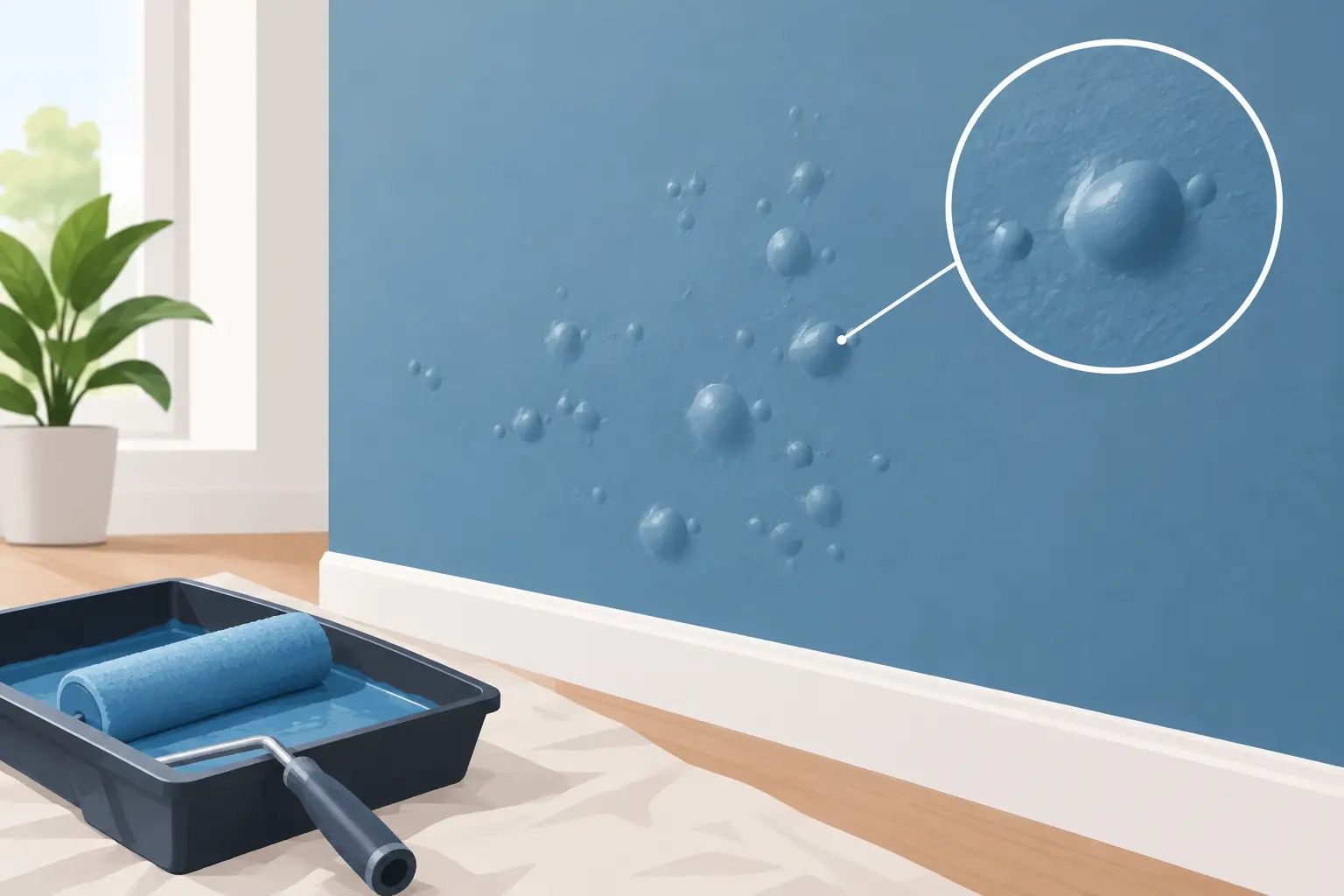
Commercial repainting is often scheduled too tightly because people count only the hours needed to apply paint. Professional results depend on the preparation underneath it. Cracks, dents, water staining, peeling coatings, and damaged caulking must be assessed and repaired before fresh paint is applied.
Preparation can include washing, sanding, patching, filling, sealing, spot priming, and protecting floors, furniture, fixtures, and equipment. In older buildings, unexpected surface issues may require extra attention. Build reasonable contingency time into the schedule, particularly when repainting exterior surfaces exposed to salt air, wind, and moisture.
Rushing preparation may save a day at the start, but it can lead to uneven coverage, visible imperfections, or premature paint failure later. A carefully prepared surface is what gives a new finish its clean appearance and long service life.
Choose Dates With Weather and Curing in Mind
Weather matters most for exterior repainting, but it also affects interior projects. High humidity, rain, strong winds, and extreme temperatures can slow drying times or interfere with coating performance. Exterior schedules should include flexibility rather than treating the chosen dates as immovable.
For Northern Beaches properties, coastal conditions deserve particular attention. Salt-laden air and changing weather can place extra demands on exterior surfaces, especially around balconies, entryways, metalwork, and exposed facades. The painting contractor should recommend suitable products and a timing plan that allows the coating system to perform as intended.
Inside, ventilation and cure time still matter. Low-odor, low-VOC products can be a practical choice for occupied premises, but rooms may still need to remain clear until the paint is dry and sufficiently cured. Dry to the touch is not the same as ready for heavy use. Schedule furniture returns, wall-mounted items, and cleaning crews accordingly.
Confirm Access, Safety, and Site Protection Before Work Begins
A smooth project depends on access details that are easy to overlook. Confirm who will open and lock the building, where painters can park, how materials will be delivered, and whether there are loading dock restrictions or elevator booking requirements. If work is taking place in a strata building or shared commercial complex, check building rules for work hours, noise, waste removal, and contractor sign-in procedures.
The work area should be protected before preparation starts. That means covering furnishings and flooring, masking fixtures, isolating equipment where necessary, and maintaining safe walkways. For businesses that stay open, clear barriers and signs are essential. Customers should never have to guess whether a hallway, doorway, or restroom is available.
A professional painting team will also establish how daily cleanup will be handled. Commercial clients should expect a tidy site at the end of each shift, with tools and materials stored safely and waste removed or contained. Clean work practices are not cosmetic. They reduce risk, protect your property, and make it easier for staff to continue working around the project.
Set One Point of Contact and a Simple Communication Routine
Painting schedules rarely fail because of paint alone. They fail because a tenant did not receive a notice, a room was unexpectedly locked, furniture was not moved, or a last-minute meeting was booked in an area due for work.
Appoint one decision-maker on the client side and one project contact from the painting contractor. Before work starts, agree on how updates will be shared and who can approve minor on-site decisions. A short daily check-in can be enough to confirm completed areas, the next day’s work, access needs, and any issues discovered during preparation.
This is also the time to finalize colors, finishes, and sample approvals. Do not leave these decisions until the crew is ready to begin. A satin finish may suit a busy corridor because it is easier to maintain, while a lower-sheen finish can be better for concealing minor wall variations in a boardroom. The right choice depends on the room’s use, lighting, cleaning routine, and desired appearance.
Build a Realistic Schedule, Not an Optimistic One
A reliable commercial repainting timeline accounts for the full job: consultation, quote approval, color selection, product ordering, site notices, preparation, painting, drying, touch-ups, and final inspection. If furniture needs moving, equipment needs disconnecting, or tenants need temporary access arrangements, factor those tasks in as well.
Avoid planning a repaint immediately before a major launch, inspection, lease handover, or holiday rush unless there is adequate buffer time. Freshly painted spaces need a final walkthrough to identify small touch-ups, reinstall fittings, and confirm that the site has been returned clean and ready for use.
At Sharp Painting Services, the focus is on a structured plan, careful surface preparation, quality materials, and a clean handover. That combination helps commercial clients protect both their premises and their working day.
A good repainting schedule should feel organized long before the painters arrive. When access, communication, preparation, and timing are settled early, the result is not just a better-looking commercial space – it is a project your staff, tenants, and customers can move through with confidence.