
A rental can be structurally sound and still feel neglected the moment a prospective tenant walks through it. Scuffed hallways, marked walls, stained ceilings, and tired trim send a message that maintenance has been delayed. So, when should landlords repaint interiors? The right answer is rarely based on a fixed calendar alone. It depends on condition, tenant turnover, the property’s location, and whether the paint is still doing its job of protecting surfaces and presenting the home well.
For landlords, repainting is not simply a cosmetic expense. It is part of maintaining an asset, attracting reliable tenants, and reducing the risk of minor surface issues becoming more involved repairs. A well-planned repaint between tenancies can also be far less disruptive than trying to work around an occupied property later.
When Should Landlords Repaint Interiors?
Most rental interiors benefit from a professional repaint every five to seven years, but high-traffic homes, apartments with frequent turnover, and properties exposed to coastal humidity may need attention sooner. In busy areas, paint can look worn long before it has technically failed. Entryways, corridors, kitchens, bathrooms, children’s rooms, and stairwells usually show the first signs.
Rather than repainting every room on the same schedule, inspect the property at the end of each tenancy and before advertising it again. A clean, intact wall may only need washing or a careful touch-up. Widespread marks, uneven fading, peeling paint, or old patch repairs are a stronger case for repainting the full wall or room.
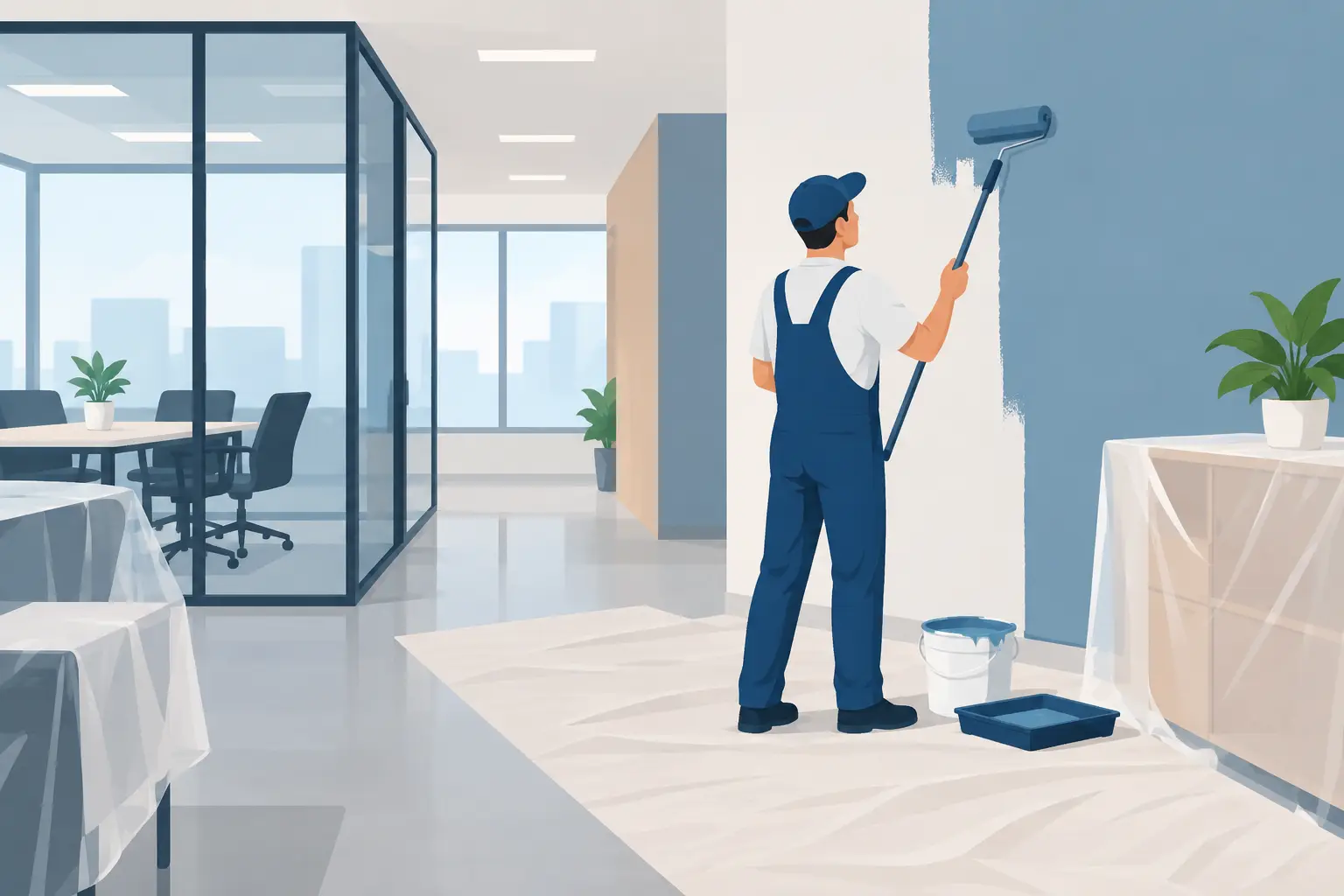
The best timing is usually between tenants. Furniture is removed, access is simpler, and the work can be completed cleanly without interrupting someone’s daily routine. It also gives the painter clear access to identify dents, nail holes, water marks, and surface movement before fresh paint goes on.
Signs a Repaint Is Due Now
A property does not need to look severely damaged before repainting becomes worthwhile. The goal is to keep the interior clean, durable, and ready to compete in the rental market.
Marks That Do Not Wash Off
Everyday wear is expected in a rental, particularly around light switches, door frames, and living areas. But when scuffs, handprints, grease marks, or furniture rub marks remain visible after cleaning, touch-ups may no longer blend. This is especially common when the existing paint has faded, the original color is unknown, or previous spot repairs were applied with a different sheen.
In these cases, painting the entire wall creates a far more consistent result than adding another visible patch.
Peeling, Bubbling, Cracking, or Flaking Paint
Paint failure should be addressed promptly. Peeling or bubbling can point to moisture, poor preparation, an incompatible previous coating, or a leaking plumbing fixture. Simply painting over the issue may hide it briefly, but it will not solve the underlying cause.
A professional painting process starts with identifying the problem, repairing and preparing the surface, then applying the appropriate primer and finish. This is particularly relevant in bathrooms, kitchens, laundries, and coastal properties around the Northern Beaches, where moisture and salt-laden air can place added stress on interior surfaces.
Stains on Ceilings or Walls
Water stains, smoke residue, cooking splatter, and mildew marks deserve more than a quick coat of paint. First confirm the source has been fixed. Once the surface is dry and sound, stain-blocking preparation and the correct paint system are needed to prevent discoloration from bleeding through the new finish.
Ceiling stains can be especially off-putting during inspections. Even a small visible mark can make tenants wonder whether there is an unresolved leak.
Too Many Old Repairs
Nail holes and small picture-hook marks are normal at the end of a tenancy, but a wall covered in rough patches can quickly look tired. The same applies to dents in plasterboard, cracked cornices, and poorly filled anchor holes.
Quality repainting is as much about preparation as the final coat. Filling, sanding, sealing, and smoothing imperfections before painting creates the clean, even finish tenants and property managers expect.
A Dated or Inconsistent Color Scheme
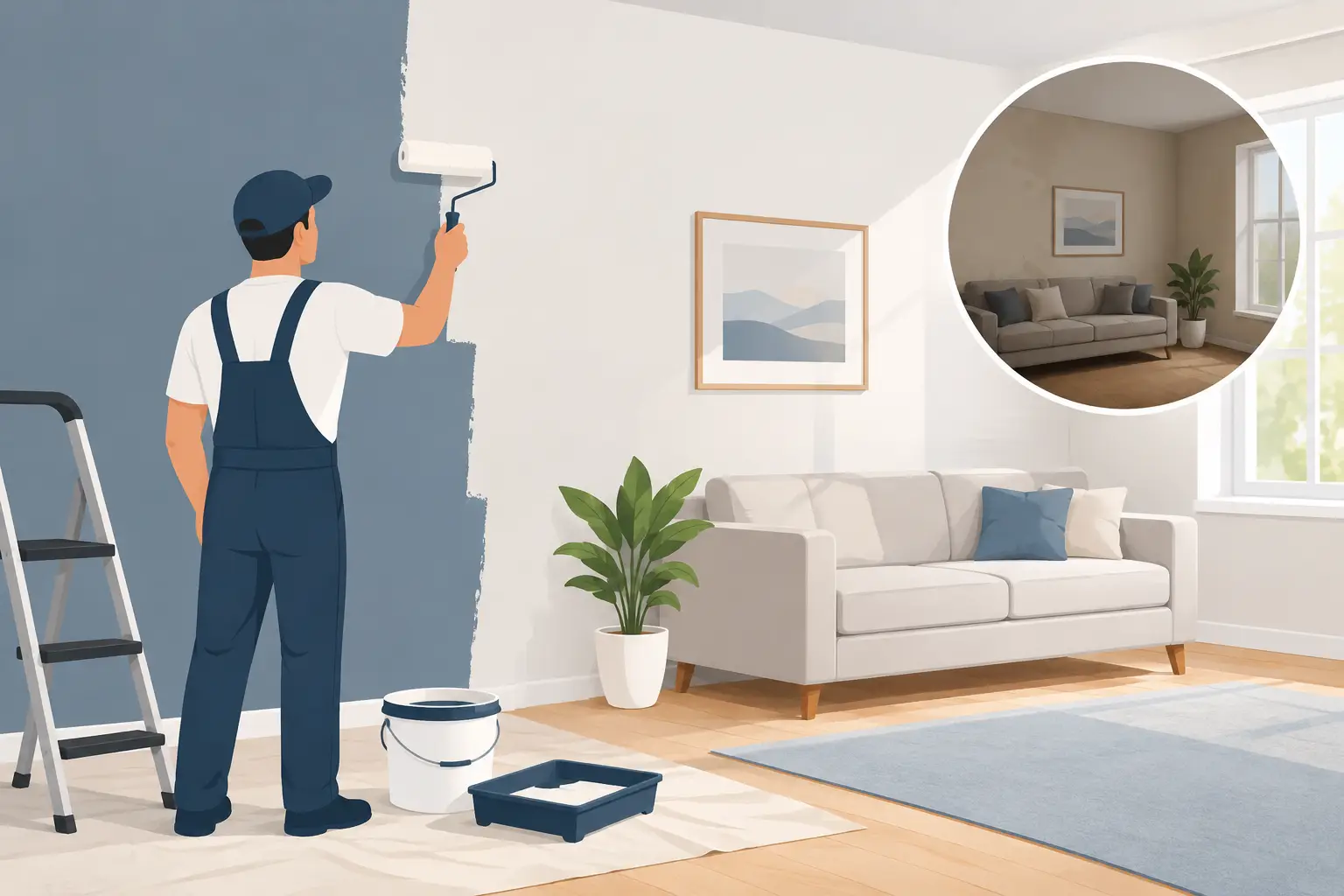
A full repaint can be a smart decision even when the existing paint is physically sound. Strong, dark, or highly personal colors can narrow a rental’s appeal. Several mismatched whites, yellowing trim, or rooms painted at different times can also make a property feel less cohesive.
Neutral, light-reflective colors tend to photograph well, suit a wider range of furnishings, and help smaller rooms feel more open. That does not mean every rental must be stark white. Soft warm neutrals and carefully selected off-whites can provide a polished finish while remaining practical for future touch-ups.
Normal Wear Versus Tenant Damage
One reason landlords delay painting is uncertainty over what should be treated as ordinary wear and what may be tenant-caused damage. The distinction matters, but it should be approached fairly and documented carefully.
Normal wear generally includes minor scuffs, gradual fading, and reasonable marks that develop through everyday use over time. These are maintenance considerations and commonly become the landlord’s responsibility as paint ages. Damage may include unauthorized paint colors, large holes, excessive markings, or avoidable stains beyond normal use.
The condition report at the start and end of a tenancy is essential. Clear photos, detailed notes, and records of the paint condition help property owners and managers make informed decisions. Local tenancy requirements can vary, so landlords should seek appropriate advice before making any deduction or claim.
From a presentation standpoint, the question is simpler: if the wall looks poor to a new tenant, it needs attention whether the cost is treated as routine maintenance or recoverable damage.
Why Waiting Too Long Can Cost More
Delaying an interior repaint may seem economical, especially if the property is occupied and the walls are only moderately worn. However, tired paint can affect rental appeal, inspection feedback, and the perceived value of the home. In a competitive market, a fresh, clean interior often helps a listing feel better maintained from the first photograph.
There is also a repair cost to consider. Small cracks, moisture marks, and damaged plaster are usually quicker to resolve when caught early. Left alone, they can require more extensive preparation and may extend the vacancy period between tenants.
A planned repaint gives landlords more control. Instead of reacting to a complaint or rushing work before a new lease begins, the scope, color choices, finish levels, and timing can be organized around the turnover date.
Choosing the Right Paint Finish for a Rental
The most attractive finish is not always the most practical one. Rentals need paint that can handle cleaning and regular use without looking overly glossy or highlighting surface imperfections.
For most living rooms and bedrooms, a washable low-sheen finish offers a balanced appearance. It has enough durability for routine cleaning while keeping the walls visually soft. Kitchens, hallways, and high-contact zones may benefit from a more durable washable finish, while bathrooms and laundries require products suited to moisture-prone conditions.
Ceilings are typically best in a flat finish because it reduces glare and helps conceal minor imperfections. Doors, trim, and skirting boards need a tougher coating that resists knocks and is easy to wipe down. The exact system should be based on the existing surfaces, room use, and the condition of the property rather than a one-size-fits-all product choice.
Plan Repainting Around Tenant Turnover
The period between tenants is the ideal opportunity to coordinate painting with cleaning, repairs, flooring work, and any other improvements. Start with a thorough inspection as soon as the property is vacant. This allows enough time to assess whether a touch-up, partial repaint, or full interior repaint will deliver the best value.
If the property is being refreshed for a new tenant, prioritize the areas that influence first impressions: entry spaces, main living rooms, kitchens, bathrooms, and bedrooms. A complete repaint provides the most uniform finish, but targeted work can be sensible when the remainder of the home is in genuinely good condition.
A professional painter should provide a clear scope before work begins, including surface repairs, preparation, paint system, number of coats, protection of flooring and fixtures, and cleanup. That clarity helps avoid unexpected costs and ensures the property is ready for photography, inspections, and handover on schedule.
A Fresh Interior Is Part of Good Property Care
For landlords, repainting at the right time is a practical way to protect the property and keep it appealing to quality tenants. It is not about painting unnecessarily. It is about acting before tired finishes undermine the condition, comfort, and marketability of the home.
When a vacancy is approaching, a detailed interior inspection can turn a rushed maintenance task into a well-timed upgrade. With careful preparation, durable materials, clean workmanship, and a finish that suits the property, the next tenant walks into a home that feels properly cared for.