

A fresh coat of paint can make a living room feel brighter, lift a tired rental, or protect an exterior that has taken years of coastal sun, salt, and rain. But before work begins, property owners often face one practical question: painting contractor versus handyman – who should do the job?
The right choice depends on the size of the project, the condition of the surfaces, and the standard of finish you expect. A handyman can be a sensible option for a small touch-up. For a full room, apartment refresh, house exterior, or business premises, a dedicated painting contractor usually brings the preparation, systems, and skilled application needed for a lasting result.
Painting Contractor Versus Handyman: The Core Difference
A handyman is generally a multi-skilled tradesperson who handles a broad range of minor maintenance tasks. They may repair a loose door handle, mount shelves, patch a small hole, replace a fitting, or complete a limited painting task as part of a larger job. Their value is versatility, particularly when you have several small repairs to address at once.
A painting contractor specializes in painting systems from start to finish. That includes assessing the substrate, preparing surfaces, selecting suitable primers and finishes, masking and protecting the space, applying paint consistently, and completing a detailed cleanup and final inspection. The work is organized around achieving an even, durable finish rather than simply getting color on the wall.
That distinction becomes more visible as the project grows. Painting one repaired patch behind a bedroom door is very different from repainting an occupied home, a strata apartment, a weathered exterior, or a commercial space that needs to remain presentable throughout the work.
When a Handyman May Be the Right Choice
For a very small, contained task, a handyman can be practical and cost-effective. This may include touching up a few scuffs using paint you already have, painting a small repaired area, or freshening a utility cupboard while completing other maintenance items.
The best handyman painting jobs tend to have clear boundaries. The area is sound, access is straightforward, color matching is not especially critical, and the result does not need extensive preparation or a furniture-moving plan. If a landlord needs a few nail holes filled and touched up between inspections, for example, combining that task with other minor repairs may make sense.
The trade-off is specialization. A handyman may be highly capable, but painting is only one part of their service offering. Ask what preparation is included, which products they plan to use, whether they will protect floors and furnishings, and how they will manage patching, sanding, and cleanup. These details determine whether a small job stays small or becomes a disappointing shortcut.
When a Painting Contractor Is Worth It
A professional painting contractor is the stronger choice when the finish matters, surfaces need attention, or the work covers more than a small isolated area. This includes whole-room repaints, ceilings, feature walls, kitchens, apartment interiors, house exteriors, offices, retail spaces, and common areas.
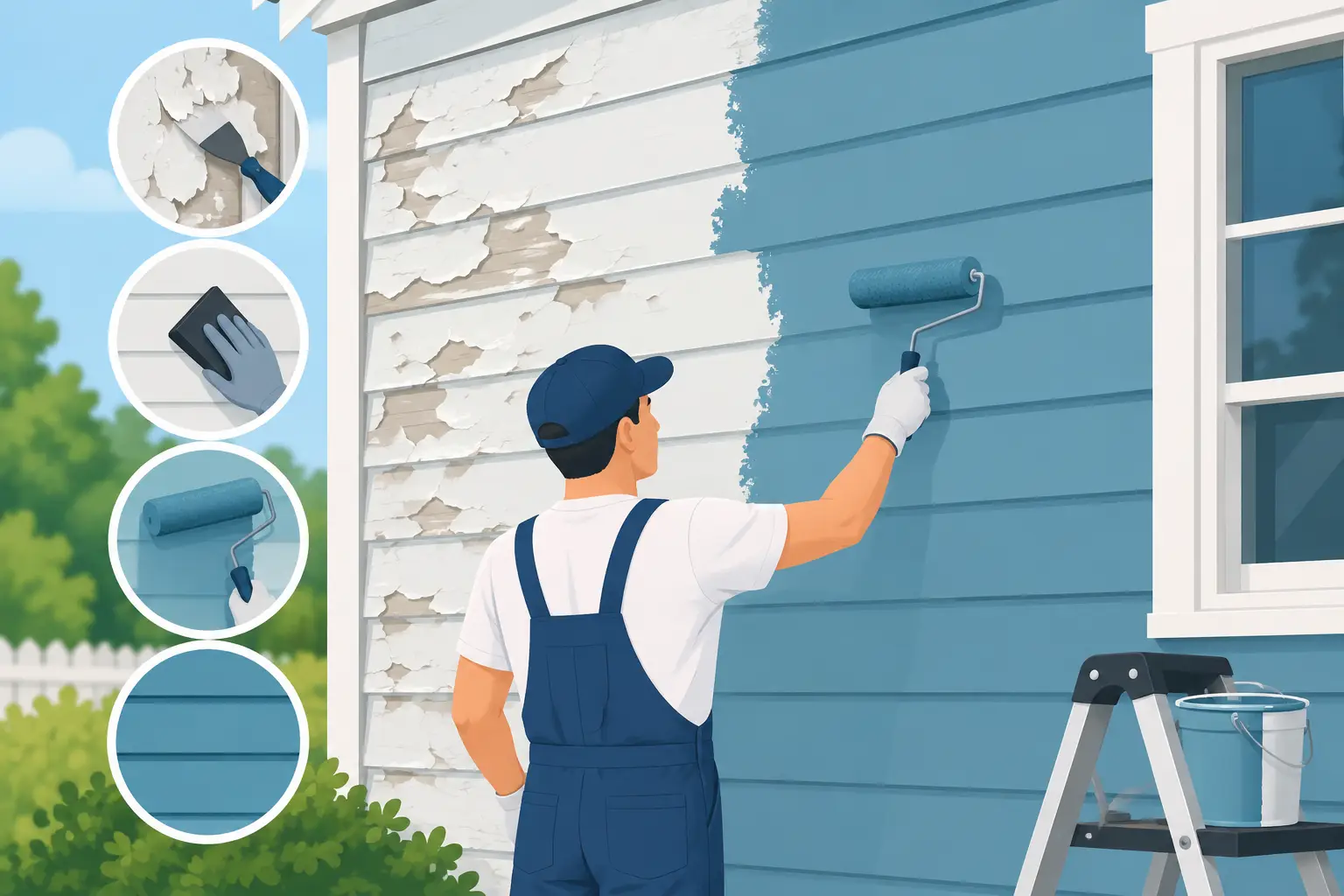
Preparation is the biggest reason. Walls that appear fine at first glance can have hairline cracks, old patch marks, peeling coatings, stains, dents, or inconsistent texture. Exterior surfaces may show chalking, mildew, failed caulk, or weather damage. Painting over these issues can make them more noticeable, not less.
A dedicated team has a repeatable process for correcting surface imperfections before paint is applied. They know where sanding, filling, caulking, stain blocking, or primer will improve the result. They also understand how different sheens behave. A low-sheen wall finish, for instance, may suit a busy living space, while a bathroom or kitchen needs a coating that handles moisture and frequent cleaning more effectively.
For Northern Beaches properties, exterior paint selection and preparation carry extra weight. Coastal exposure can be demanding, especially on sun-facing elevations and homes closer to the water. Quality materials and careful preparation are not extras in these conditions. They are part of protecting the property and extending the life of the finish.
The Cost Question: Upfront Price Versus Finished Value
It is natural to compare quotes, and a handyman may appear less expensive for the same room or wall. The real comparison should be the scope of work, not just the final number.
A lower price may exclude surface repairs, primer, detailed masking, furniture protection, multiple coats, premium materials, or cleanup. It may also be based on a quicker application method that leaves roller marks, visible cut-in lines, or uneven coverage. Those issues can be costly to correct later, especially if the room needs to be repainted sooner than expected.
A clear painting quote should explain what is being painted, what preparation is included, which paint system will be used, and what is excluded. This gives you a fair basis for comparison and reduces the risk of unexpected additions once work has started.
The most affordable option is not always the lowest initial quote. It is the option that delivers the right standard of finish, lasts appropriately for the space, and avoids disruption from avoidable rework.
Preparation Is Where Quality Is Won or Lost
Most people notice the final color first. Painters notice the surface beneath it. The difference matters because paint does not hide every flaw. In fact, light colors and finishes with more sheen can reveal uneven patches, poor sanding, and rough repairs.
A professional painting process typically begins with a site assessment and a clear conversation about the result you want. From there, the team protects floors, furniture, fixtures, and adjacent surfaces. Damaged areas are repaired, surfaces are cleaned and sanded where needed, and suitable primers are used before the finish coats go on.
Application also takes discipline. Consistent cutting-in, correct roller technique, adequate drying time, and proper coverage all influence how the room looks in daylight and under evening lights. On exteriors, the work must also account for weather conditions and coating compatibility.
This is why a polished result is rarely about paint alone. It is the combined outcome of planning, preparation, materials, workmanship, and a careful final check.
Questions to Ask Before You Hire
Whether you are speaking with a handyman or a painting contractor, a few direct questions will help you understand what you are buying. Ask how they will prepare the surfaces, what products they recommend and why, how they will protect your belongings, and how long the work will take.
For larger work, also ask whether the estimate covers repairs, primer, the number of coats, and cleanup. If the job involves an apartment building, commercial property, or shared access areas, discuss scheduling, noise, access, and how the team will keep the site tidy and safe.
Good providers will answer clearly rather than treating these details as an inconvenience. Clear communication before the job is a strong sign of how the project will be managed once work begins.
Choosing for Homes, Rentals, and Business Premises
For homeowners, the decision often comes down to how visible and long-lasting the result needs to be. A small touch-up may suit a handyman. A living area, hallway, nursery, kitchen, or exterior deserves the level of preparation and finish control that a painting specialist provides.
For landlords and apartment owners, painting can affect tenant appeal, inspections, and long-term maintenance. A clean, even finish helps the property present well, while quality preparation reduces the chance of obvious repairs or early wear. When timing matters between tenants, a contractor with a defined process can also provide greater certainty around scheduling and handover.
For commercial managers, appearance and disruption are equally important. Customers and staff notice scuffed walls, tired trim, and poorly maintained entrances. A professional painting team can plan the work around operations, protect surrounding areas, and leave the premises clean and ready for use.
Choose the Scope That Matches the Standard
There is no need to hire a specialist for every paint touch-up, and there is no reason to expect a general handyman to manage every painting project. Match the provider to the work in front of you.
If the job is small, isolated, and genuinely simple, a capable handyman may be all you need. If you want a full transformation, lasting protection, careful surface repairs, dependable scheduling, and a clean handover, choose a painting contractor whose daily work is delivering that result. For property owners who value a polished finish without the usual mess or uncertainty, that decision often pays off every time they walk into the room.