

A fresh paint job should improve your property, not create a difficult insurance claim. The right painter insurance questions give homeowners, landlords, and property managers clarity before furniture is covered, surfaces are repaired, and the first coat goes on. A professional contractor should be comfortable discussing coverage, providing current documentation when requested, and explaining how they protect your home or business throughout the project.
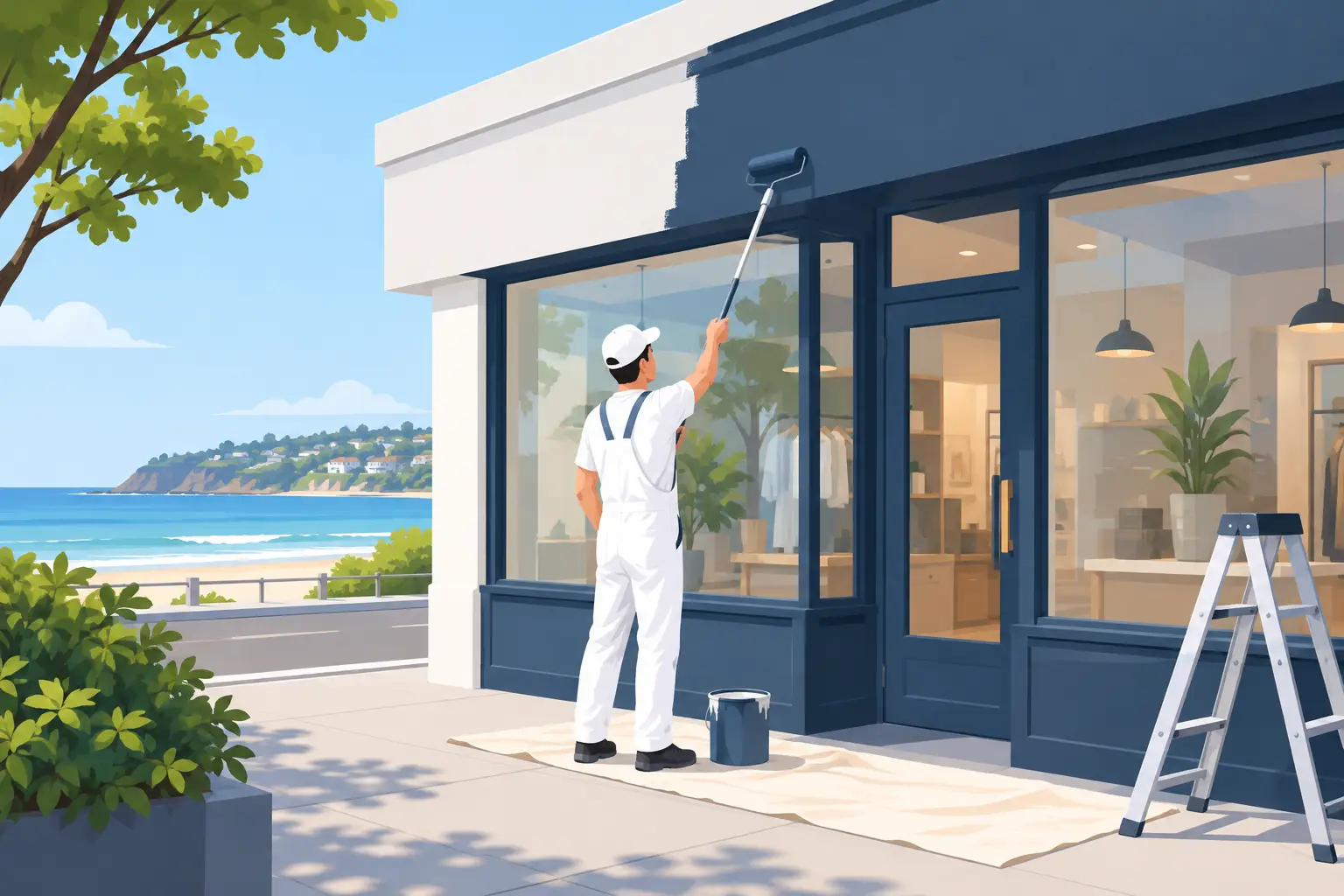
For Northern Beaches properties, this conversation has real value. Coastal weather, elevated exterior work, shared apartment access, and occupied commercial spaces all create practical risks that need to be managed carefully. Insurance is not a substitute for skilled workmanship, thorough preparation, or a clean site. It is one part of hiring a responsible painting team.
Why painter insurance questions belong in your hiring process
Price, color advice, and the project timeline are all reasonable parts of comparing painting quotes. Insurance deserves the same attention because it helps define what happens if something does not go to plan. A ladder can damage flooring, a paint spill can affect a neighboring tenancy, or a worker can be injured while preparing an exterior wall.
The goal is not to assume the worst of every contractor. It is to confirm that the company has taken sensible steps to protect its clients, its team, and the property. A detailed quote, good communication, and evidence of appropriate cover are strong signs that a painter runs an organized operation.
Be cautious of vague answers such as, “We are covered.” Coverage has limits, conditions, and renewal dates. Asking a few respectful follow-up questions before work begins is far easier than trying to resolve uncertainty after an incident.
The essential painter insurance questions to ask
Do you carry public liability insurance?
This is usually the first question to ask. Public liability insurance is designed to respond if a contractor’s work causes accidental property damage or injury to a third party. For example, it may be relevant if equipment damages a client’s belongings, paint affects a shared common area, or a member of the public is hurt because of site activity.
Ask whether the coverage applies to the type of painting work being quoted. Interior repainting of an occupied apartment, exterior painting at height, commercial work, and work in strata buildings can involve different conditions. Do not assume that a policy intended for small residential touch-ups automatically suits every project.
You can also ask for a current certificate of currency. This is a normal business request, particularly for landlords, commercial property managers, and strata-connected projects. Check that the contractor name matches the business providing the quote and that the policy has not expired.
Are your painters covered for workplace injuries?
Ask how the business manages workers’ compensation or workplace injury coverage for the people on site. The exact arrangement can depend on whether painters are employees, subcontractors, or part of another labor structure. What matters to a property owner is that the contractor can clearly explain who is working in the home or building and how their workplace coverage is handled.
A well-run painting business should also have practical safety procedures. Insurance responds after an incident, while careful planning helps prevent one. That includes using suitable access equipment, protecting walkways, managing dust from surface preparation, and keeping the work area orderly.
Does the policy cover subcontractors and specialist work?
Many painting projects are completed by an in-house team. Others may involve subcontractors, especially when schedules are tight or a project requires particular access equipment. There is nothing inherently wrong with subcontracting, but the arrangement should be transparent.
Ask whether subcontractors are used and whether they hold their own current insurance. If a contractor brings in another trade for minor repairs, pressure cleaning, elevated access, or related preparation work, it is reasonable to ask who is responsible for that work and its insurance requirements.
This question is particularly useful for larger homes, apartment complexes, and commercial sites where several trades may be moving through the property. Clear responsibility helps avoid gaps in communication as well as coverage.
Are there exclusions or limits relevant to my job?
You do not need to read an insurance policy line by line, but you should understand whether there are obvious limits that affect the planned work. High-access exteriors, heritage finishes, occupied offices, common property, and painting near sensitive furnishings may require extra planning.
Explain the job accurately when requesting your quote. Mention difficult access, stairwells, balconies, valuable furniture, existing water damage, lead-based paint concerns in older properties, or any building rules. A painter who knows these details early can plan the work properly, allow for protection measures, and tell you if additional approvals or specialist services may be needed.
There is a trade-off here. The cheapest quote may leave out site-specific preparation or access requirements, while a more detailed quote may appear higher because it accounts for the real conditions. Comparing scope is more useful than comparing a single bottom-line figure.
Insurance is only one part of property protection
A contractor can hold appropriate insurance and still deliver a poor result if preparation is rushed. That is why the insurance conversation should sit alongside questions about process, materials, workmanship, and site care.
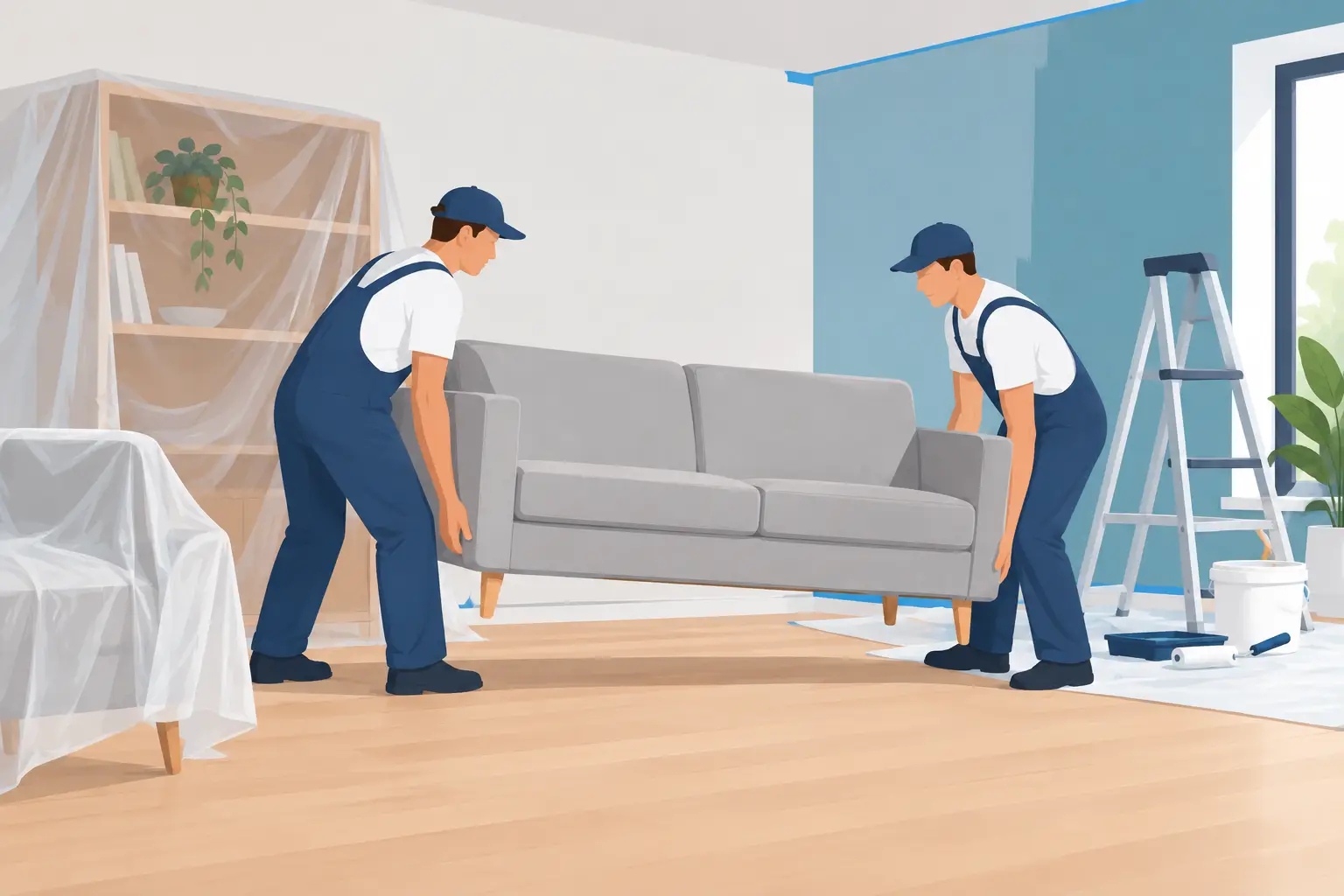
Ask how furnishings, floors, landscaping, and fixtures will be protected. For an interior project, this might include moving or covering furniture, masking trim, using drop cloths, and containing sanding dust. For exterior work, it can include protecting windows, paths, garden beds, and neighboring areas from overspray or debris.
Also ask what happens if unexpected surface issues are uncovered. Peeling paint, cracks, water staining, timber deterioration, and failed previous coatings can change the scope of work. A dependable painter will explain the condition, recommend a practical repair approach, and discuss any price or timing change before proceeding. Insurance is not intended to replace honest communication about pre-existing problems.
Questions for strata, rental, and commercial properties
Shared or managed properties benefit from more detailed coordination. If you are arranging painting for an apartment, retail space, office, or strata-connected building, ask whether the contractor can meet site requirements before work is booked.
Some buildings require certificates of currency, sign-in procedures, approved work hours, lift protection, loading instructions, or notification to residents and tenants. Commercial sites may also need clear arrangements for public access, after-hours work, and keeping business operations clean and presentable.
For rental properties, document the starting condition with photos and agree on the scope in writing. This is useful whether the work is a small refresh between tenancies or a complete repaint. Clear records support a smoother handover and reduce disagreements about existing marks or damage.
How to recognize a reassuring answer
You are not looking for legal language or a sales pitch. You are looking for a contractor who answers directly, supplies documents without hesitation, and connects insurance to the way the job will be managed.
A reassuring painter can explain the work scope, confirm who will be on site, outline protection measures, and identify any conditions that need attention before the start date. They will also give you an upfront estimate that separates included preparation, paint systems, repairs, and optional extras where relevant.
By contrast, treat it as a warning sign if a contractor avoids requests for documentation, will not confirm the business name on the policy, dismisses safety concerns, or offers an unusually low price without a clear scope. Those gaps can create problems long before the final coat is dry.
Keep the conversation practical
Insurance is there for the unlikely event, but professionalism is visible every day of the project. It shows in punctual arrival times, careful preparation, tidy work areas, respectful communication, and a final walkthrough that checks the finish in proper light.
Before choosing a painter, keep your insurance questions alongside the quote and use them to compare like for like. The best outcome is a team that is properly prepared, easy to communicate with, and committed to leaving your property looking transformed rather than merely painted.