
A buyer may not remember every light fixture at an open house, but they will notice walls that feel tired, patchy, or poorly maintained. Fresh paint is one of the most visible ways to make a property feel cared for, brighter, and ready for its next owner. The best paint upgrades before selling are not necessarily a full repaint of every surface. They are the improvements that remove distractions, photograph well, and give buyers confidence that the home has been looked after.
For homes on Sydney’s Northern Beaches, paintwork also has to contend with salt air, moisture, strong sun, and everyday family wear. A quality result depends on more than choosing a fashionable neutral. Proper preparation, suitable products, and clean, consistent application make the difference between a quick cosmetic cover-up and a finish that supports the sale of your home.
Start With the Surfaces Buyers See First
The highest-value paintwork is usually found in the first impression zones: the exterior frontage, entry, living areas, kitchen, hallways, and main bedroom. These spaces shape how a buyer feels about the rest of the property. If they look clean and cohesive, buyers are more likely to see the home’s potential rather than create a mental list of jobs to complete after settlement.
Walk through the property as though you were seeing it for the first time. Look for scuffed walls, mismatched touch-ups, peeling trim, water marks, cracks, faded exterior paint, and bold colors that overpower the room. These are the areas where a targeted painting investment can make a clear difference.
A complete interior repaint may be worthwhile if the existing colors vary dramatically from room to room or the finishes are broadly worn. If the home is generally in good condition, a focused repaint of the main living spaces, entry, and problem walls can be the more practical choice.
Choose Neutral Colors That Still Feel Warm
Neutral does not need to mean stark white. The strongest selling colors tend to be soft, warm, and adaptable – shades that work with a range of furniture styles, flooring tones, and natural light. Warm whites, gentle off-whites, light greiges, and muted sandy tones typically make rooms feel open without appearing cold.
The right choice depends on the fixed elements already in the home. A cool gray wall can clash with cream tile, warm timber floors, or beige stone. Conversely, a very yellow white can make a bright, contemporary kitchen feel dated. Test large sample areas on different walls and view them in morning, afternoon, and artificial light before committing.
Coastal properties often suit understated tones that reflect the surrounding light, but avoid treating every home near the water the same way. A darker architectural home, a heritage cottage, and a sun-filled apartment may each need a different palette. The goal is cohesion, not a generic showroom look.
Keep the Color Scheme Simple
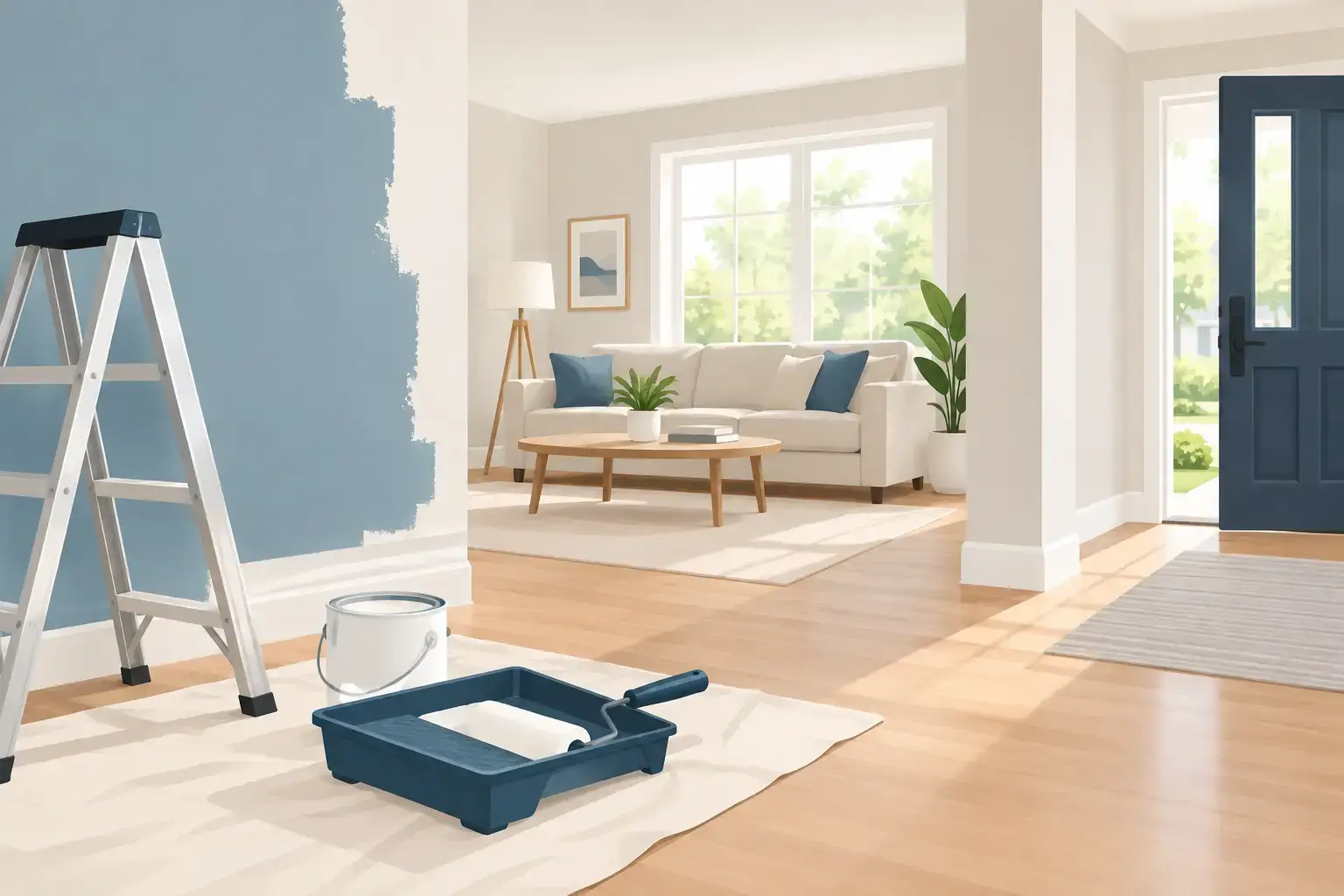
For sale preparation, limiting the number of wall colors creates a calmer visual flow. Using one main neutral through connected living areas and hallways can make the floor plan feel larger and more intentional. Bedrooms can remain in the same family, perhaps with a subtle variation where needed.
Feature walls are a judgment call. If an existing feature wall is deep red, bright blue, or heavily textured, repainting it is usually wise. A restrained feature color can work in the right home, but broad buyer appeal should take priority over a highly personal design statement.
Refresh Trim, Doors, and Ceilings
Walls get attention, but trim work often signals the true condition of a property. Yellowed baseboards, scratched door frames, chipped internal doors, and marked window trim can make fresh walls look unfinished. Repainting these details in a crisp, complementary white gives rooms a sharper, cleaner edge.
Doors deserve particular attention because buyers touch and see them throughout an inspection. A well-prepared door with an even, durable finish feels substantially better than one with brush marks, dents, or paint buildup around handles and hinges. Repairing minor surface damage before painting is essential – paint will not hide rough patches, open cracks, or flaking layers.
Ceilings are another worthwhile upgrade where there are smoke stains, old water marks, cobweb residue, or general dullness. A clean ceiling can lift the entire room, especially in living rooms and bedrooms with good natural light. If a stain has an unresolved cause, such as an active roof or plumbing leak, address the source first. Painting over the symptom alone can create a larger issue during inspections.
Make the Exterior Feel Maintained
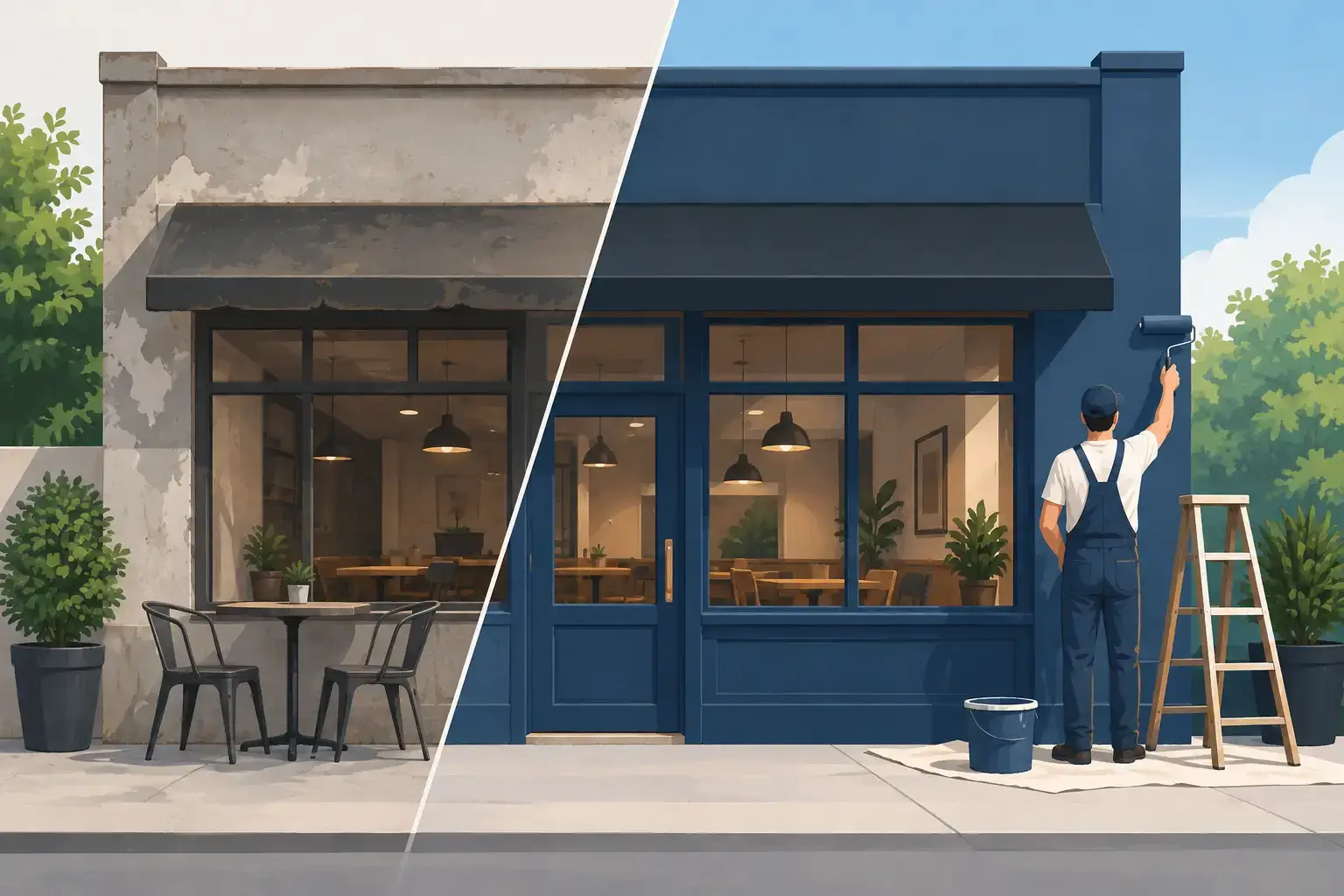
Exterior paint has an immediate effect on curb appeal. Buyers begin forming an opinion from the street, so faded fascia boards, peeling eaves, tired fences, and weathered front doors can reduce the impact of an otherwise appealing home.
You do not always need a full exterior repaint before listing. Sometimes the most effective work is concentrated on the front elevation, entry door, garage door, window trim, porch railings, and fencing. This approach can provide a strong visual return when the wider exterior coating is still sound.
However, peeling paint, exposed timber, widespread chalking, or visible cracking calls for more than a cosmetic touch-up. Coastal conditions can accelerate deterioration, and neglected areas may suggest future maintenance costs to buyers. Thorough washing, sanding, repairs, priming, and the correct exterior coating system are necessary for a finish that looks even and holds up through the campaign.
Give the Front Door a Purposeful Update
A front door is one place where a carefully chosen color can add character. Deep navy, charcoal, forest green, or a refined black can suit many exteriors, provided the color works with the roof, brickwork, cladding, and landscaping. For a lighter coastal look, a fresh white or soft gray may be more appropriate.
The finish matters as much as the color. A clean satin or low-sheen exterior finish is often more forgiving than high gloss, which can highlight imperfections. Preparation is especially important on front doors because close-up wear, dents, and uneven brushwork are easy to spot.
Use the Right Sheen in High-Traffic Areas
A consistent sheen level makes a property look professionally finished. Flat or matte finishes are often effective on ceilings and can work well on walls with minor imperfections, as they reduce glare. Washable low-sheen or eggshell finishes are a practical option for living areas, hallways, and bedrooms, where a soft appearance and reasonable durability are both valuable.
For bathrooms, laundries, and kitchens, choose coatings suited to higher moisture and cleaning demands. Satin finishes are often a reliable choice for doors, trim, and baseboards because they offer durability without the harsh shine of traditional gloss paint.
Avoid using a very glossy finish on imperfect walls simply because it is easy to clean. Higher sheen reflects more light and can make every dent, roller line, and patch repair more obvious. A professional painter can recommend finishes based on the surface condition, room use, and amount of natural light.
Do Not Paint Around Repairs
One of the most common mistakes before selling is painting too quickly over visible problems. Small dents, popped nails, hairline cracks, gaps around trim, and damaged plaster should be properly repaired, sanded, and primed before the final coats go on. These details are easy to miss during a rushed touch-up, yet they are highly visible in listing photographs and open-home lighting.
The same applies to old patch repairs. Different paint absorption can leave a dull, flashing effect even when the color is technically matched. Correct primer and full-wall repainting are often needed to achieve a uniform finish.
If the property has recurring cracks, extensive water damage, bubbling paint, or suspected mold, seek advice before scheduling cosmetic work. Buyers and building inspectors may identify underlying issues regardless of a new paint layer. Honest repair is always a better investment than concealment.
Time the Work Around Your Sale Campaign
Painting should be completed before professional photography, styling, and the first open home. Allow time for consultation, color selection, surface repairs, drying, curing, final cleaning, and moving furniture back into place. Rushing at the end can lead to compromised preparation or a home that still smells strongly of fresh paint during inspections.
A professional scope should clearly identify the rooms, surfaces, preparation work, paint system, finishes, and expected schedule. This gives you certainty on cost and helps prevent last-minute changes. It also ensures furnishings, flooring, and fixtures are protected while work is underway.
Sharp Painting Services approaches sale-preparation projects with this level of planning, from color and finish guidance through to surface repairs, careful application, and a clean handover. Whether the job is a focused interior refresh or a broader exterior upgrade, the work should fit your listing timeline without adding unnecessary disruption.
The best result is a home that feels fresh rather than freshly painted – clean, cared for, and easy for a buyer to imagine as their own.