

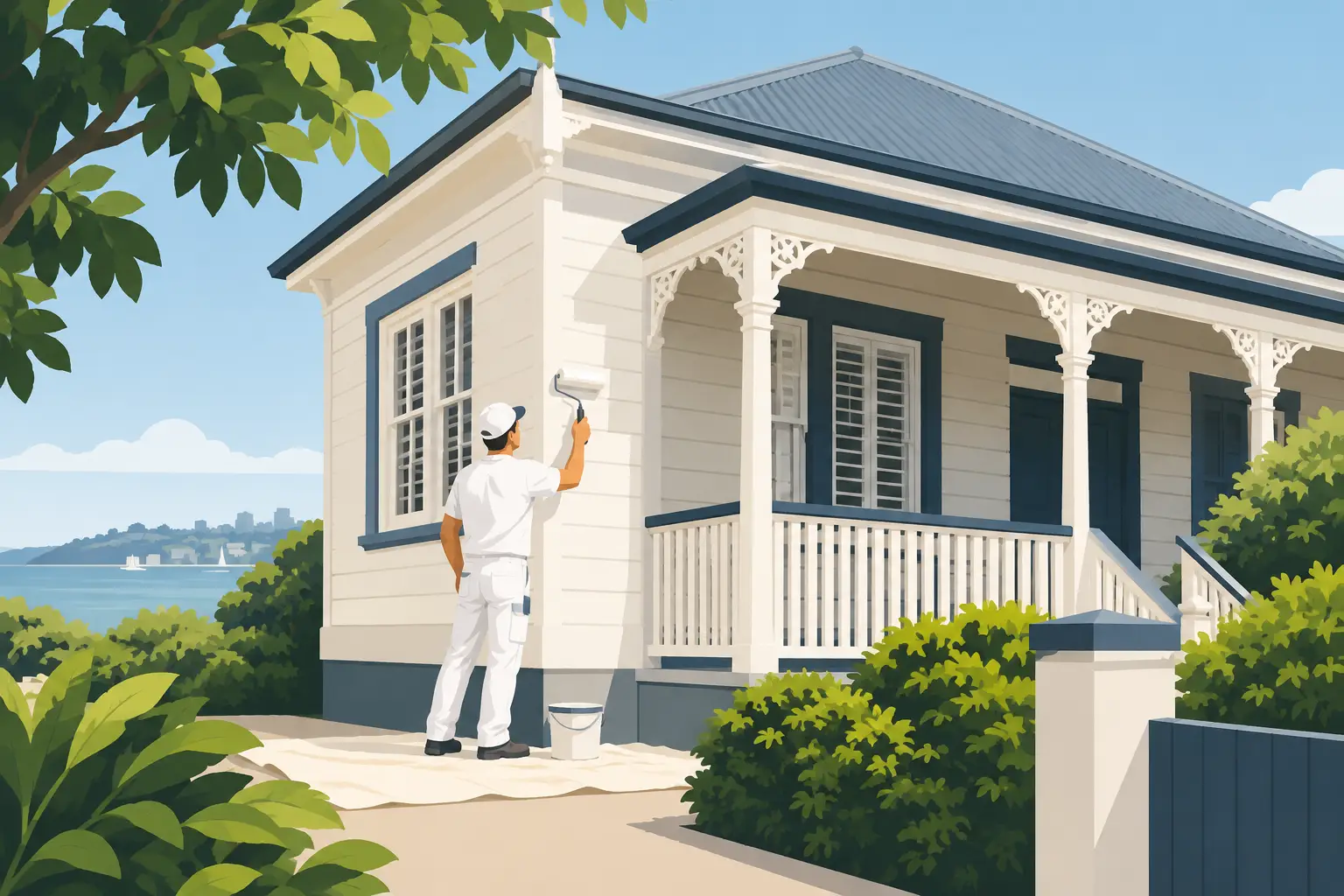
A heritage home rarely needs a dramatic reinvention to look its best. Its appeal often sits in the details: timber fretwork, original weatherboards, ornate ceilings, sash windows, rendered masonry, and the careful proportions that newer homes cannot replicate. Manly heritage home painting should protect those details, not cover them with rushed preparation or unsuitable products.
For homes exposed to salt air, sun, wind, and seasonal rain, painting is both a visual upgrade and an essential maintenance task. The right process respects the building’s age while delivering a crisp, durable finish that suits the way the property is used today.
What Makes Heritage Home Painting Different?
Heritage painting is not simply standard house painting with a more traditional color palette. Older homes often have layers of previous coatings, uneven surfaces, aged timber, minor movement, moisture-prone areas, and repairs completed across different decades. Each of these factors affects how new paint will perform.
The most visible mistake is applying fresh paint over unstable surfaces. Peeling coatings, chalky render, cracked putty, loose boards, and failing caulking will continue to deteriorate beneath a new topcoat. The finish may look good briefly, but problems soon return.
A careful painter begins by assessing what is there, including the condition of exterior timber, metalwork, masonry, ceilings, trims, and decorative elements. This allows the scope of preparation to be clear before work starts, rather than becoming an unexpected issue halfway through the project.
Start With Preservation, Not Paint Color
Color matters, but the condition of the surface comes first. Heritage homes can have delicate architectural features that are easy to damage through aggressive sanding, careless scraping, or heavy-handed filling. Preparation needs to be thorough without removing the character that makes the home distinctive.
For exterior work, this commonly means washing away salt, dirt, mildew, and loose material before scraping and sanding failing paint. Damaged timber may need repair or replacement before priming. Small gaps around trims, windows, and joins should be sealed with an appropriate flexible caulk to help keep moisture out while allowing for normal movement.
Inside, the focus may shift to settling cracks, old water stains, worn plaster, and decorative cornices. A quality repair blends into the surrounding surface rather than creating a noticeable patch under the final coat. Where staining is present, the correct stain-blocking primer is often the difference between a lasting result and a stain that reappears later.
The trade-off is time. Proper preparation can make up a significant part of a heritage painting project, but it is also where the longevity of the work is decided. A fast quote based only on visible square footage may overlook the labor needed to restore aged surfaces properly.
Check Approval Requirements Before Exterior Changes
Some heritage-listed homes and properties within conservation areas have requirements around exterior colors, alterations, and visible architectural details. These requirements vary by property and local planning controls, so it is sensible to confirm what applies before selecting a new exterior scheme or changing finishes.
Painting in an existing or historically sympathetic palette is often more straightforward than making a major visual change, but assumptions can be costly. If approvals or specialist advice are needed, resolve that step before materials are ordered and work is scheduled.
Choosing Colors That Respect the Home
A heritage palette does not have to mean dark, heavy, or overly formal. Many period homes suit warm whites, muted greens, stone grays, soft creams, charcoal accents, or carefully selected blues. The best choice depends on the architectural style, fixed elements such as roof tiles and brickwork, the amount of natural light, and neighboring streetscape character.
Exterior color should also be considered in changing coastal light. A white that appears warm on a sample card can look much brighter in direct afternoon sun. Dark colors can make a statement on doors and trims, but they may show salt residue, dust, and surface imperfections more readily. On weathered timber, darker shades can also absorb more heat.
For interiors, heritage homes give more room to balance traditional features with modern living. A soft neutral on walls can highlight original timberwork, ceiling roses, and picture rails. Alternatively, a deeper color in a study, hallway, or formal dining room can add depth without making the entire home feel enclosed.
Sample boards are worth the effort. View them on the actual surface at different times of day, rather than choosing from a small printed swatch under artificial lighting. This is especially useful when matching new paint to retained features or adjoining rooms.
The Right Finish Is Part of the Design
Paint sheen changes both the appearance and practicality of a room or exterior surface. Flat or low-sheen finishes are often suited to broad interior walls because they create a soft appearance and hide minor surface variation. They are not always the best option for high-traffic areas where frequent cleaning is expected.
Semi-gloss or satin finishes are commonly used on doors, skirting boards, window frames, and other trim because they offer greater durability and define architectural details. A higher sheen can look elegant on well-prepared timberwork, but it will also reveal sanding marks, dents, and uneven repairs. This is why detailed preparation matters so much on heritage joinery.
Exterior products should be selected for the material and exposure level. Coastal-facing elevations, verandas, eaves, fences, and timber windows may have very different needs. Using high-quality primers and topcoats designed for the specific substrate gives the coating system the best chance of resisting weather and wear.
Protecting Original Timberwork and Decorative Features
Original timber is one of the strongest reasons to take a measured approach. Decorative brackets, balustrades, finials, fretwork, and window trims can be difficult and expensive to reproduce. Paint protects these elements from moisture and UV exposure, but only when loose coatings and damaged areas are addressed first.
Where paint build-up has softened fine details, careful removal may be appropriate. However, stripping every layer is not automatically the right answer. It depends on the condition of the existing paint, the substrate, and whether old coatings may contain hazardous materials. Older homes should be assessed carefully before sanding or disturbing unknown paint layers.
A professional team will protect surrounding garden areas, paving, windows, floors, and furnishings before preparation begins. Clean containment and daily site tidiness matter on any project, but they are particularly valuable when work involves older surfaces, detailed repairs, and a home that remains occupied.
Plan the Project Around Weather and Daily Life
Exterior heritage painting needs suitable dry conditions and enough time between coats for products to cure as specified. Rain, heavy dew, strong wind, and intense heat can all affect application and finish quality. A reliable schedule accounts for weather rather than forcing work ahead at the expense of the result.
For occupied homes, clear communication is just as important. Homeowners should know which areas will be worked on, where equipment will be stored, when windows or access points may be unavailable, and how the site will be cleaned at the end of each day. If interior and exterior work are both planned, staging the project can reduce disruption.
At Sharp Painting Services, the process begins with a clear assessment and upfront scope, followed by surface protection, repairs, skilled application, and a clean final handover. This structured approach helps homeowners make informed decisions without losing sight of the finish they want.
A Lasting Result Comes From the Work You Do Not See
Fresh paint can transform a Manly heritage property, but its value is not limited to curb appeal. A well-prepared coating system helps protect timber, masonry, and decorative features from the conditions that gradually cause damage.
Before committing to a painter, ask how they will prepare each surface, what repairs are included, which products suit the home’s materials, and how they will protect the property while work is underway. The answers should be specific, clear, and reflected in the written estimate.
The best heritage painting result feels considered rather than conspicuous: original details remain sharp, colors belong to the home, and every surface is finished with the care it deserves.