
A freshly painted room can look completely different under the same color simply because the finish has changed. When weighing matte versus satin paint, the better choice is not about which finish is more expensive or fashionable. It comes down to the condition of the walls, how the room is used, the available light, and how much day-to-day cleaning the surface will need.
For a home that feels polished from every angle, paint sheen deserves the same careful consideration as color. A professional result begins with preparation, but choosing the right finish is what helps that result continue to look its best long after the painters have packed up.
Matte versus satin paint: the essential difference
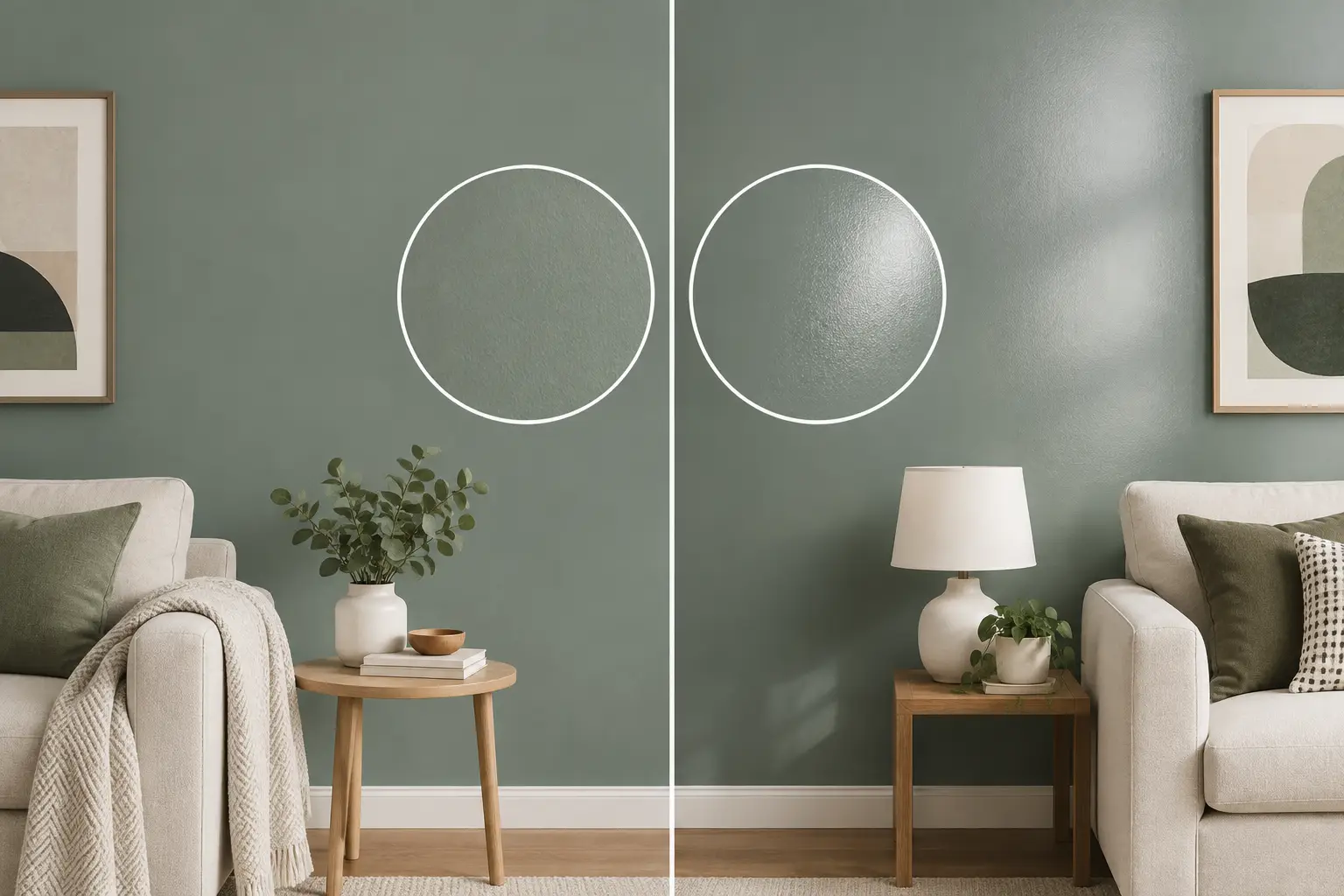
Matte paint has very little shine. Its soft, powdery appearance absorbs light rather than reflecting it, giving walls a calm, refined look. It is often chosen for living rooms, bedrooms, dining areas, and ceilings where a relaxed, low-glare finish suits the space.
Satin paint has a gentle sheen that reflects a small amount of light. It is not glossy, but it has more presence than matte and can make colors appear slightly richer. Because it forms a smoother, more washable surface, satin is commonly used in hallways, children’s rooms, kitchens, bathrooms, and other spaces that see regular activity.
Neither finish is automatically right for every wall. The best choice depends on the practical demands of the room and the condition of the surfaces underneath.
Why matte paint remains a favorite for living spaces
Matte paint is valued for its ability to disguise minor imperfections. Small dents, uneven plasterwork, old patch repairs, and subtle texture are less noticeable because matte surfaces do not catch the light in the same way as shinier finishes. This makes it particularly useful in older homes, apartments with previous repairs, or large walls that receive strong afternoon sun.
The visual effect is also a major drawcard. Matte walls create depth and softness, especially with warm whites, muted neutrals, deep blues, greens, and charcoal tones. In bedrooms and formal living areas, that low-sheen finish can make the room feel considered without looking overly styled.
There is a trade-off. Traditional matte paint can mark more easily than satin, particularly around light switches, doorways, and furniture contact points. Modern premium washable mattes have improved considerably, but they still need a gentler approach to cleaning. Aggressive scrubbing may leave a polished patch or alter the texture of the finish.
Matte is often the stronger option when visual calm matters most and the wall will not be handled constantly. It is also an excellent choice for ceilings, where glare from lighting can make a higher sheen look distracting.
Where matte paint works best
Matte paint generally performs well in bedrooms, formal lounges, dining rooms, home offices, and low-traffic guest rooms. It can also suit open-plan living areas when the walls are in sound condition and the household is comfortable with occasional touch-ups.
For rental properties or busy family homes, matte can still be a practical choice in these spaces when a high-quality washable product is specified. The key is selecting a paint designed for cleaning rather than assuming every flat finish will behave the same way.
When satin paint is the practical choice
Satin paint is designed for areas where walls need to work harder. Its subtle sheen creates a tighter surface that is generally easier to wipe down after fingerprints, scuffs, food splashes, or everyday marks. For active households, this added durability can reduce maintenance between full repainting projects.
It is a reliable finish for hallways, stairwells, mudrooms, kitchens, bathrooms, and children’s bedrooms. In commercial interiors, satin is also a sensible choice for corridors, reception spaces, staff areas, and walls exposed to frequent contact.
The slight reflective quality can brighten darker rooms, particularly where natural light is limited. However, it can also draw attention to uneven surfaces. If a wall has rough patching, visible joints, ripples, or poorly repaired cracks, satin may highlight those flaws rather than hide them.
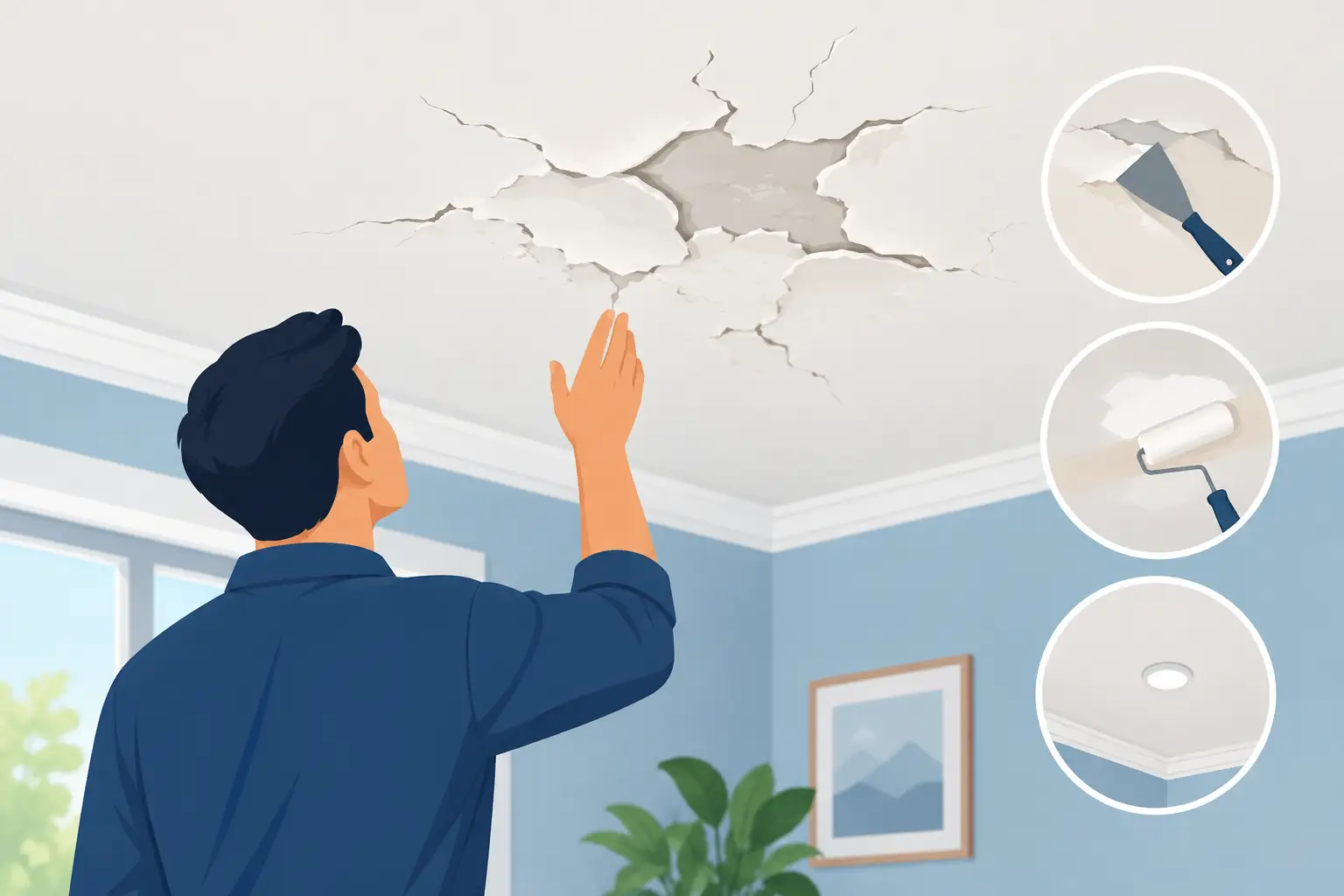
That is why proper surface preparation matters so much. Filling, sanding, repairing, priming, and creating an even base are not optional extras when a satin finish is planned. A painter can only achieve a clean final coat if the wall beneath it has been carefully prepared.
Where satin paint works best
Satin is well suited to kitchens and bathrooms, where moisture and cleaning are regular realities. It is also a smart option for entryways and corridors, where bags, hands, shoes, and pets tend to leave evidence of daily life.
For trim, doors, and baseboards, many homeowners move up to a semi-gloss finish rather than using satin. Semi-gloss offers even greater washability and a more defined contrast against matte or satin walls. Still, satin can be effective on doors and trim when a softer, less reflective look is preferred.
Consider light before choosing a sheen
Natural and artificial light can change the appearance of paint more than most people expect. A satin finish will reflect window light, pendant lights, and downlights, so its sheen is more noticeable at different times of day. This can be attractive in a clean, contemporary room, but it can also make wall imperfections more visible.
Matte paint is more forgiving under direct light. In bright coastal homes around Sydney’s Northern Beaches, large windows can reveal every slight variation in a wall. Matte can help those walls look more uniform, especially in living rooms and bedrooms where a softer finish complements abundant daylight.
Test samples on the actual wall rather than judging them only from a paint card. View them in morning, afternoon, and evening light. A color that appears crisp in a showroom may look warmer, cooler, flatter, or more reflective once it is in your home.
Durability is about more than sheen
It is easy to assume satin paint is always tougher than matte, but paint quality and application make a significant difference. A premium washable matte applied over properly prepared walls can outperform a low-grade satin product. Likewise, even the best satin paint will not look good for long if it is applied over dusty, cracked, damp, or uneven surfaces.
The finish should be selected alongside the right primer, product system, and preparation plan. For example, a bathroom may need moisture-resistant paint and careful treatment of any existing mold or peeling areas. A high-traffic hallway may benefit from washable satin, but only after dents and old damage have been repaired and sanded smooth.
Professional painters assess these details before recommending a finish. The goal is not simply to make a room look good on day one. It is to create a durable surface that suits the way the property is actually used.
A room-by-room approach makes the choice easier
A consistent finish throughout an entire home can look cohesive, but it is not always the most practical decision. Many well-finished homes use matte on the main living-area walls and ceilings, then use satin selectively in harder-working spaces.
For example, matte walls with satin paint on doors, trim, and high-contact areas can create a subtle, layered result. The contrast is restrained enough to look elegant while giving the surfaces most likely to be touched a little more protection.
Apartments may need a slightly different approach. Narrow hallways and shared entry areas can receive plenty of traffic, making satin a sensible choice even if the bedrooms and living room use matte. For landlords, this combination can balance tenant-friendly maintenance with a quality presentation at inspection time.
Get the finish right before the first coat goes on
The best paint finish is one that suits your room, not simply the one that looks best in a brochure. Matte offers a sophisticated, forgiving appearance for quieter spaces. Satin offers gentle sheen, easier cleaning, and stronger day-to-day resilience where walls see more use.
Before committing, look closely at your walls, consider the room’s light and traffic, and think honestly about future maintenance. A detailed finish consultation and proper preparation will do more for the final result than choosing a sheen by name alone. When the paint, surface, and application are matched carefully, the room will feel finished in the way it should: clean, balanced, and built to last.