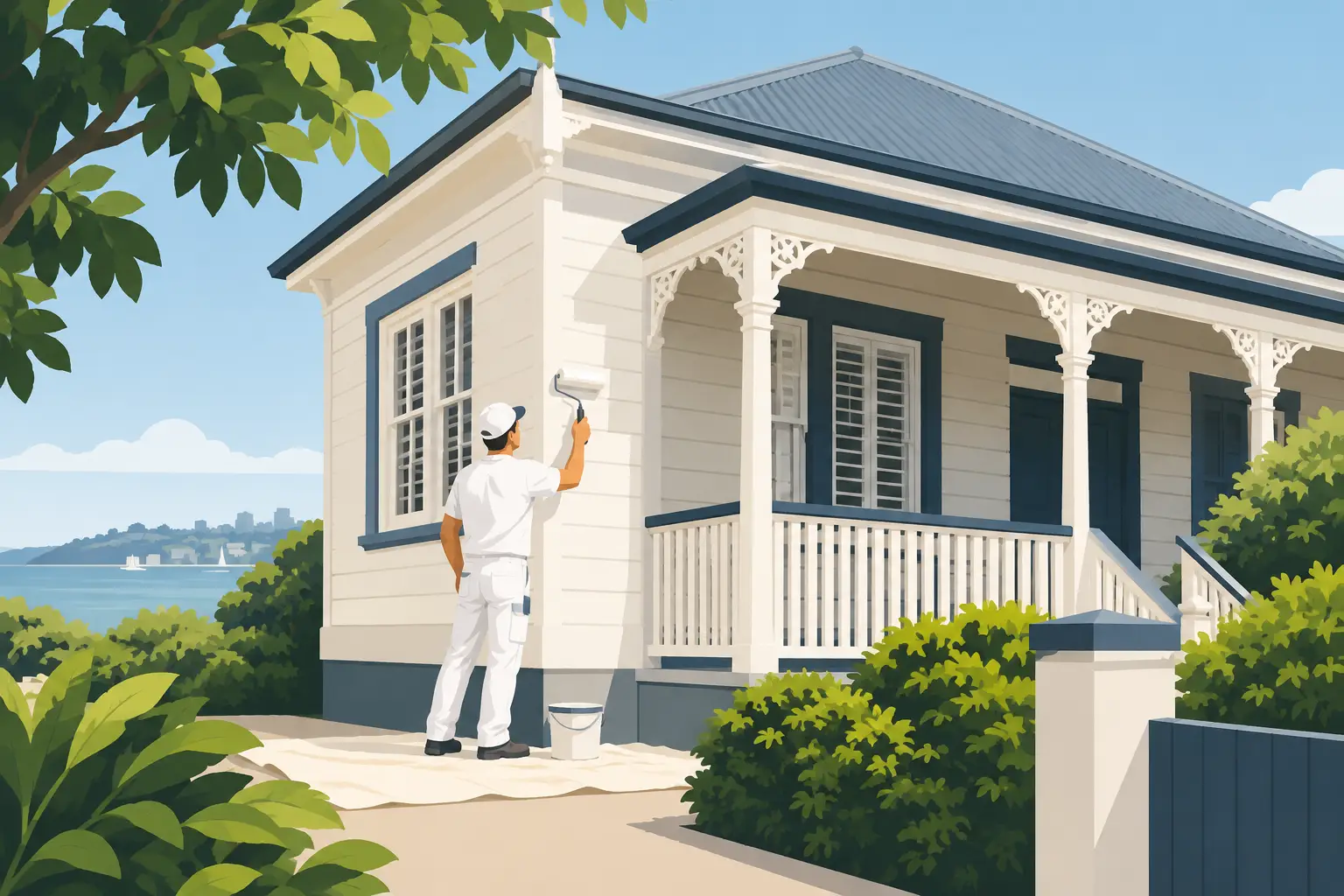

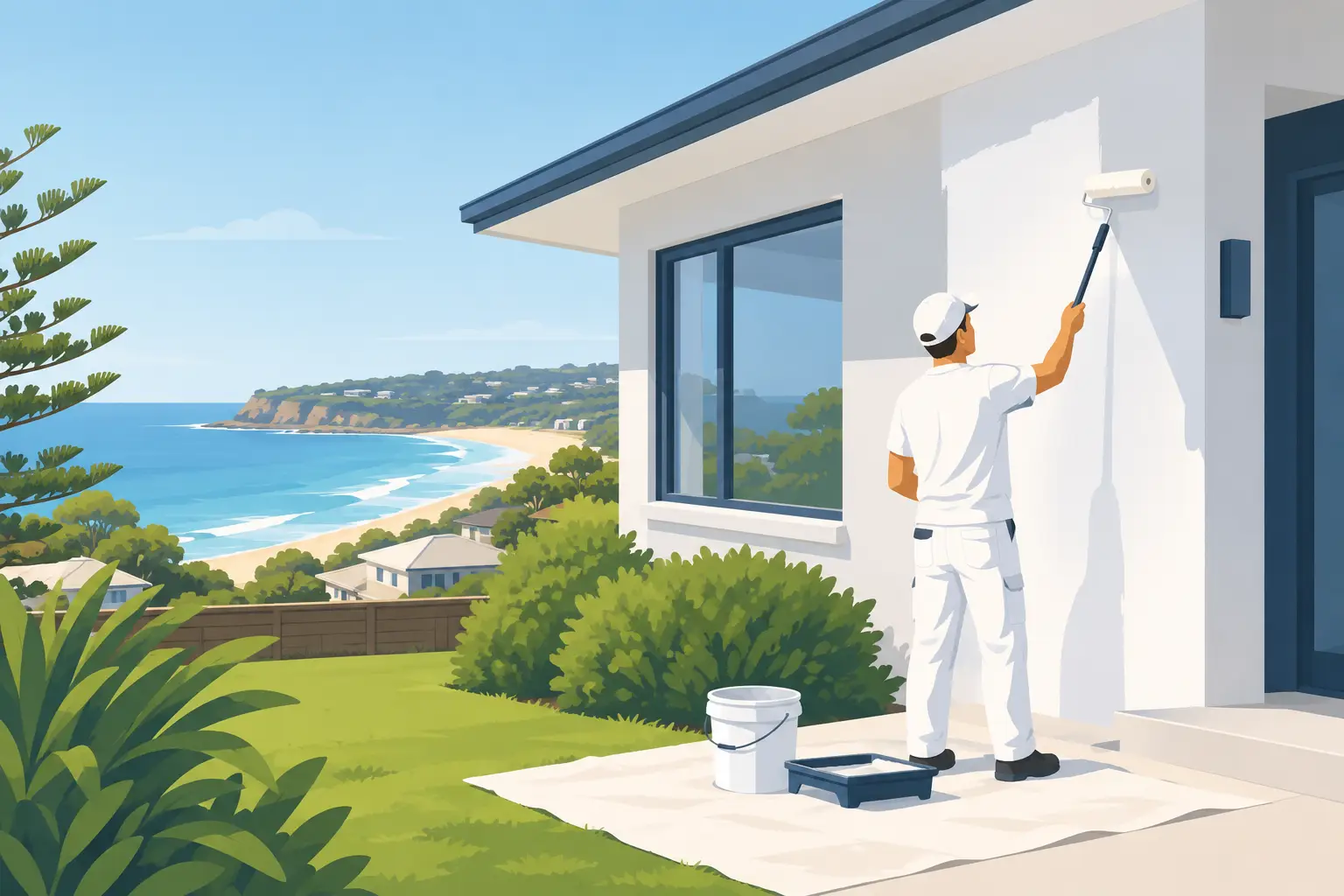
A fresh coat of paint can make a Warriewood home look instantly more cared for, but appearance is only part of the job. Homes in this part of the Northern Beaches contend with salt-laden air, strong sun, seasonal rain, moisture, and everyday family use. This Warriewood house painting guide focuses on the decisions that help a new finish stay clean, even, and protective long after the painters have packed up.
Whether you are refreshing a single room before tenants move in or planning a full exterior update, the best result starts well before the first coat is applied. Careful assessment, thorough preparation, suitable products, and a clear project plan make the difference between paint that simply looks new and a finish built to last.
Start With the Condition of the Surfaces
Paint does not hide every problem. In fact, a new color can make uneven walls, cracked render, stained ceilings, and failed caulking more noticeable if the underlying surface has not been repaired properly.
Walk around the property in good daylight and look for peeling paint, chalky residue, hairline cracks, timber movement, rust marks, mold, water staining, and gaps around windows or exterior trim. Inside, pay particular attention to high-contact areas such as hallways, stairwells, kitchens, bathrooms, and door frames. These spaces often need more cleaning and repair than quieter rooms.
Exterior timber deserves close attention in Warriewood. Fascia boards, eaves, decks, gates, and weatherboards can be affected by sun and moisture from different directions. A surface that looks acceptable from the ground may still have soft timber, lifting paint, or open joints that need attention. Painting over these issues may improve the appearance briefly, but it will not stop deterioration.
A professional assessment should identify what can be prepared and painted, what needs minor repair, and what may require replacement before painting begins. This keeps the scope clear and reduces the risk of unpleasant surprises once work is underway.
Preparation Is Where a Long-Lasting Finish Begins
The visible painting stage is only one part of a quality project. Proper preparation takes time because every surface requires a stable, clean base before paint can adhere correctly.
For exterior work, this usually means washing away dirt, salt, cobwebs, mildew, and loose material first. Flaking areas are scraped back, rough edges are sanded, cracks are filled where appropriate, and exposed timber or metal is primed with the right product. Gaps around trim and joinery may need flexible caulking to help prevent water entry while allowing for normal movement.
Interior preparation is just as important, even when walls appear sound. Walls are cleaned, nail holes and dents are filled, repaired areas are sanded smooth, and stains are sealed before the topcoat goes on. Furniture, floors, fittings, and adjacent surfaces should be protected carefully so the project feels organized rather than disruptive.
There is a practical trade-off here. Cutting preparation time can lower the initial price, but it can also shorten the life of the work. A transparent quote should explain what preparation is included, particularly when exterior surfaces show weathering or interior walls need more than a simple repaint.
Choose Paint for the Room or Exposure
There is no single best paint for every part of a property. The right choice depends on the surface, the level of wear, moisture exposure, and the finish you want to live with.
For exterior walls and trim, use premium exterior coatings designed to withstand UV exposure and changing weather conditions. These paints should be paired with compatible primers, especially on bare timber, repaired surfaces, metal, or areas where previous coatings are unstable. Quality materials cost more upfront, but they generally provide better coverage, stronger adhesion, and more dependable color retention.
Inside the home, sheen level matters as much as color. Flat or low-sheen finishes can create a calm, refined look on walls and ceilings, while washable low-sheen or satin finishes are often better suited to active family areas. Semi-gloss is a practical choice for doors, trim, and skirting boards because it is durable and easier to clean. In bathrooms, laundries, and kitchens, moisture-resistant coatings help manage humidity and routine cleaning.
Darker exterior colors can look striking, but they absorb more heat than lighter shades. On sun-exposed timber, this may increase movement and place extra stress on the coating. Very light colors can reduce heat absorption but may show dirt more readily near paths, driveways, or coastal vegetation. The right choice depends on the material, orientation, maintenance expectations, and the overall look of the home.
Test Colors in Real Light
Paint chips are useful starting points, not final decisions. A color that looks warm and soft inside a store can appear much brighter in direct Northern Beaches sunlight, while a gray that seems neutral may read blue or green beside existing stone, roofing, or landscaping.
Apply sample patches to more than one wall and view them in the morning, afternoon, and evening. For exterior selections, consider fixed elements that will remain in place, such as roof tiles, brickwork, paving, windows, and fencing. For interiors, look at flooring, cabinetry, natural light, and the way rooms connect. A considered palette creates flow through the home without making every space feel identical.
Plan Exterior Painting Around Weather and Access
Weather affects more than comfort on painting day. Paint needs suitable conditions to dry and cure properly, so timing should allow for rain, damp surfaces, extreme heat, and humidity. A reputable painter monitors the forecast and adjusts the work sequence when necessary rather than applying coatings to unsuitable surfaces.
Access also shapes the plan. Multi-level homes, sloping blocks, high gables, and tight side passages may require additional safety measures and more setup time. These factors are not signs that a project is overly complicated. They are part of completing the work safely and achieving an even finish in areas that are difficult to reach.
If the exterior is being painted alongside roofing, gutter, window, landscaping, or renovation work, coordinate the order carefully. Painting too early can lead to avoidable damage or touch-ups. Painting too late may hold up other trades. A clear schedule protects both the finish and the project timeline.
Keep Interior Painting Manageable for Your Household
Interior painting does not always require moving out, but it does require a practical plan. Decide which rooms are highest priority and whether the work can be staged. Many households choose to complete bedrooms first, then living spaces, or schedule vacant rooms around work and school routines.
Before work starts, remove small valuables, artwork, and fragile items where possible. Larger furnishings can typically be moved and covered as part of a professional setup, but discussing access and room use in advance prevents delays. If you are repainting a kitchen, bathroom, or home office, ask how long each area will be unavailable and when it can be returned to normal use.
Good site management should be easy to notice. Floors and furniture are protected, materials are kept tidy, work areas are cleaned at the end of the day, and communication is straightforward if conditions change. These details matter because a well-run painting project should improve your home without making daily life unnecessarily difficult.
Know What a Clear Painting Quote Should Cover
A useful painting quote is more than a final figure. It should give you confidence about what will happen at your property and how the work will be completed. Ask whether it outlines the surfaces to be painted, preparation and repair allowances, paint systems, number of coats, color changes, access requirements, protection measures, and cleanup.
It is also worth clarifying what is excluded. Significant timber replacement, hidden water damage, extensive render repairs, or work outside the agreed areas may not be visible during the first inspection. When these issues are identified, they should be explained clearly before extra work proceeds.
The lowest quote is not always the best value if it leaves preparation, materials, or finishing details unclear. Comparing like for like is the fairest way to assess pricing. Look for a contractor who is punctual during the quoting stage, answers practical questions directly, and provides a scope you can understand.
Maintain the Finish After Painting
Once the work is complete, simple maintenance helps extend the life of the coating. Wash exterior surfaces periodically to remove salt, dust, and organic buildup, especially on sheltered sides of the house. Keep gutters clear, trim vegetation away from walls, and address leaks quickly so moisture does not compromise painted surfaces.
Inside, use gentle cleaning methods and avoid harsh abrasive products on painted walls and trim. Keep a labeled touch-up container for minor marks, but use it sparingly. Touch-ups can flash or appear different on older paint, particularly in areas exposed to sunlight.
For homeowners who want a well-planned result with minimal disruption, Sharp Painting Services brings disciplined preparation, quality materials, clean worksites, and clear communication to each stage of the project. The right painting approach protects the property you have worked hard to maintain and gives every room and exterior surface a finish that feels considered from the first look onward.