
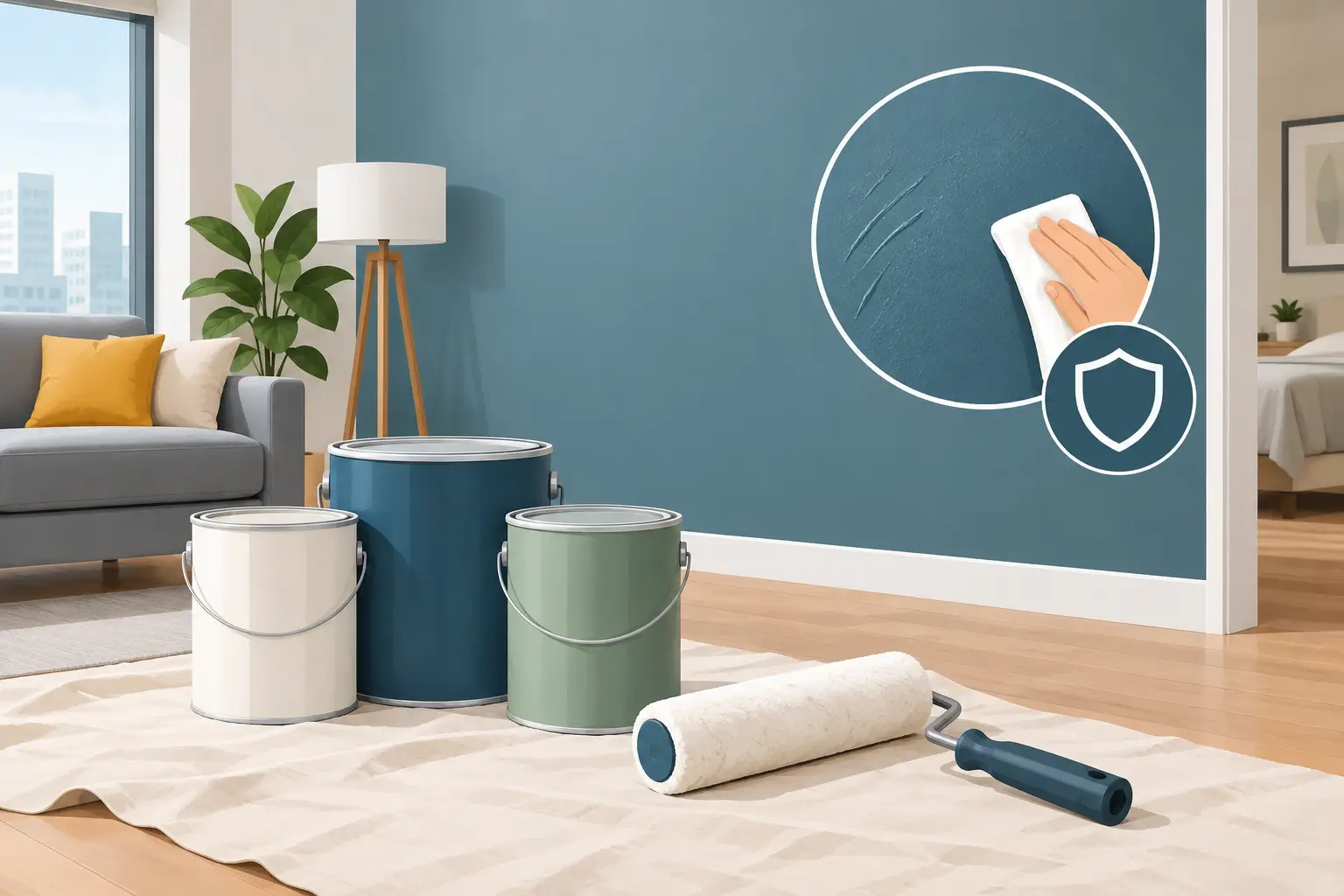
A rental wall has a harder job than most. It needs to look fresh at inspection time, tolerate furniture scuffs and everyday marks, and still allow for clean touch-ups between tenants. The best paints for rental walls are not simply the cheapest cans on the shelf. They are durable, washable, low-odor, and chosen in a finish that suits how each room is used.
For landlords, apartment owners, and property managers, the right paint specification can reduce maintenance costs while helping the property present well to prospective tenants. For tenants repainting with approval, it can also make restoring a room far less stressful at the end of a lease.
What Makes a Paint Suitable for Rental Walls?
A good rental paint must balance appearance with practicality. A rich matte finish may look beautiful on day one, but a low-quality flat paint can mark easily and become difficult to clean. At the other extreme, a highly glossy wall finish will show every repair, roller line, and surface imperfection.
For most rental interiors, a premium water-based acrylic wall paint with good washability is the sensible choice. These paints dry faster than traditional oil-based coatings, produce less odor, and are generally easier to maintain. They also hold up well to the repeated cleaning, moving furniture, and daily traffic that rental properties experience.
Paint quality matters as much as paint type. Better formulations typically provide stronger coverage, improved stain resistance, and a more even finish. They can cost more initially, but that investment often pays off when walls need fewer coats and remain presentable for longer.
Best Paints for Rental Walls by Room
There is no single finish that works perfectly throughout every property. The best result comes from matching the paint sheen to the room, the wall condition, and the level of expected wear.
Living Rooms, Bedrooms, and Hallways
For general living areas and bedrooms, washable matte or low-sheen acrylic paint is usually the strongest option. It delivers a modern, soft appearance and hides minor imperfections better than higher-sheen finishes. This is especially helpful in older apartments and homes where previous repairs, small dents, or uneven plaster may be visible under strong light.
Choose a true washable matte rather than a basic flat paint. Quality washable mattes resist light scuffs and can be carefully wiped down without leaving obvious shiny patches. In hallways and entry areas, where bags, shoes, and hands create more marks, low sheen may be the better choice because it offers extra durability while remaining refined.
Kitchens, Laundry Rooms, and Dining Areas
Kitchens and laundry rooms need a tougher surface. Steam, food splashes, fingerprints, and frequent cleaning all place more demand on the coating. A washable low-sheen or satin acrylic paint is generally a reliable choice for walls in these spaces.
Satin finishes are easier to wipe than matte paint, although they reflect more light and can reveal surface flaws if preparation is rushed. That trade-off is worth considering before selecting the sheen. If the wall has visible patch repairs or rough texture, thorough sanding and priming are essential for a clean result.
Bathrooms and Moisture-Prone Areas
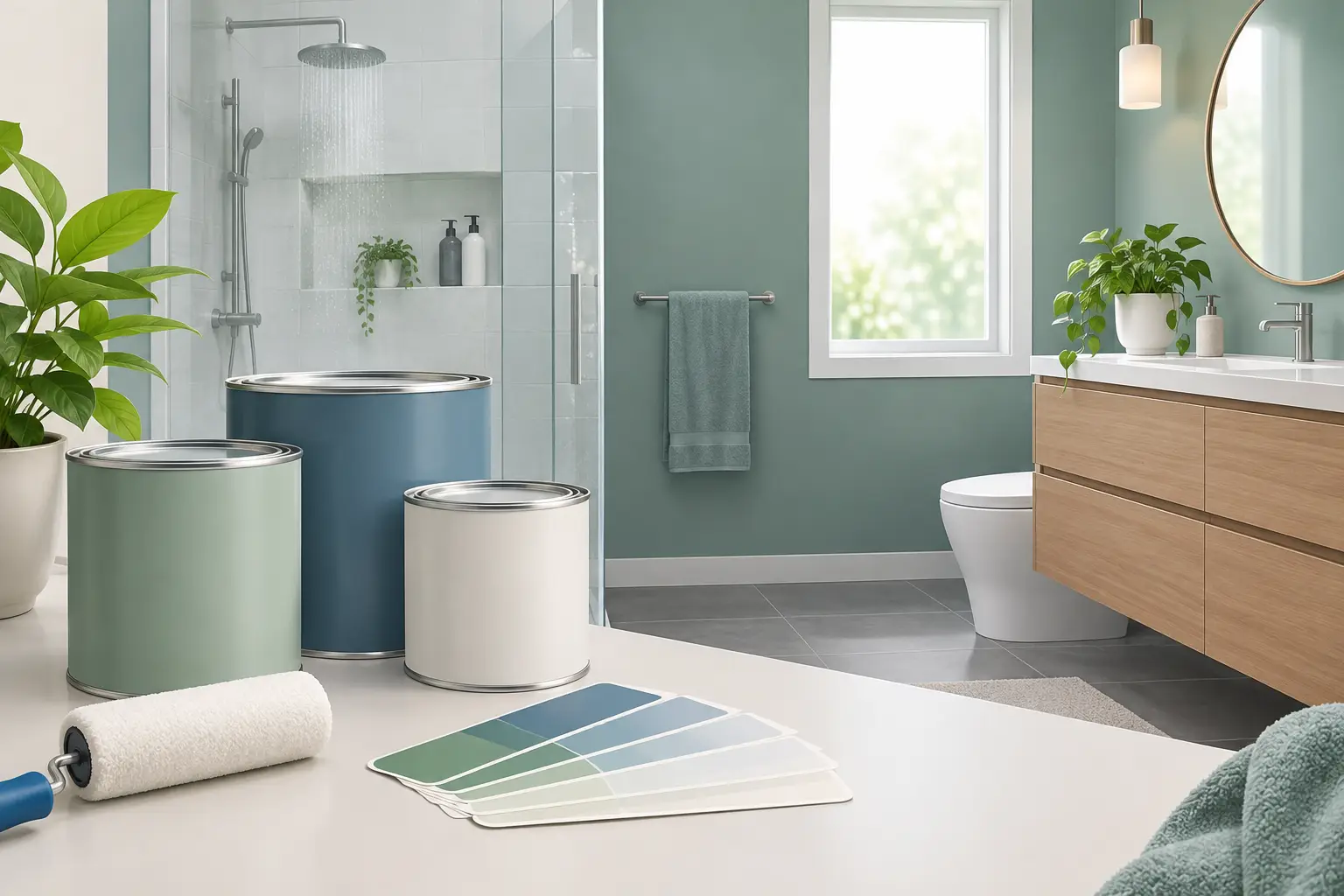
Bathrooms require paint designed to cope with humidity. A moisture-resistant acrylic coating with mold-resistant properties is preferable, particularly in bathrooms with limited natural ventilation. Standard interior paint can soften, stain, or encourage mildew growth when it is repeatedly exposed to steam.
A low sheen or satin finish works well in most bathrooms. Semi-gloss can be used where maximum washability is needed, but it should only be applied over properly prepared, smooth walls. Its shine makes every uneven area more noticeable.
Doors, Trim, and High-Contact Surfaces
Rental walls are only part of the maintenance picture. Doors, baseboards, window frames, and trims take frequent knocks and benefit from a harder-wearing water-based enamel. A satin or semi-gloss finish is practical here because it is easier to wipe clean and resists scuffing better than wall paint.
Using a separate trim enamel also creates a sharper visual contrast against the walls. A clean white trim can make neutral rental colors look more intentional and well maintained, even when the room itself is simple.
Choose the Right Sheen Before Choosing the Color
Color often gets the attention, but sheen has a greater effect on day-to-day maintenance. Flat and matte paints absorb light and disguise imperfections, yet lower-grade versions can be difficult to clean. Low sheen is a versatile middle ground for many rental homes because it looks understated while providing useful washability.
Satin offers more protection in busy or damp spaces, while semi-gloss is best reserved for trims, doors, and selected high-contact areas. Applying semi-gloss across all walls may seem like a durable shortcut, but it can make rooms feel overly reflective and magnify poor patching or uneven surfaces.
For most properties, using washable matte or low sheen in bedrooms and living spaces, then moving to low sheen or satin in kitchens and bathrooms, creates a polished and practical finish.
Neutral Colors Make Turnovers Easier
A neutral palette simplifies future maintenance. Warm whites, soft greiges, pale taupes, and light gray-beige tones appeal to a broad range of tenants and work with most furniture styles. They also make a room feel brighter, which is valuable in compact apartments or homes with limited natural light.
Avoid choosing a bright white without first considering the existing flooring, cabinetry, and natural light. Some whites can look harsh or blue in shaded rooms, while others may appear yellow beside cool-toned tiles. Testing sample patches on different walls is worthwhile because light changes significantly from morning to evening.
Consistency is equally valuable in a rental property. Keeping a record of the exact paint brand, color name, sheen, and batch details makes future touch-ups much easier. A wall touched up with the wrong sheen can look patchy even when the color appears identical.
Preparation Determines How Long the Paint Lasts
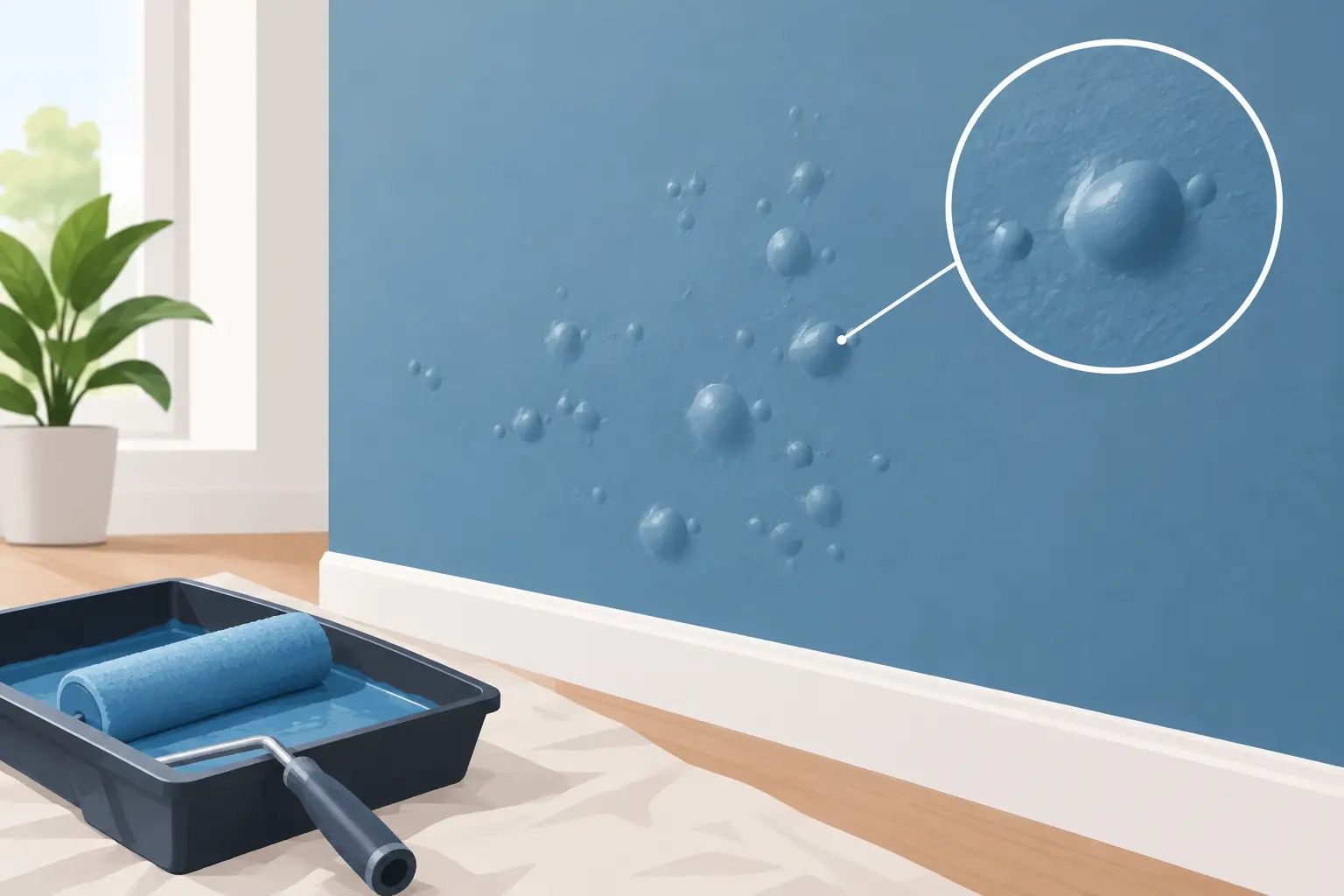
Even the best coating will struggle on a poorly prepared wall. Before painting, surfaces should be cleaned to remove dust, grease, and residue. Loose paint must be scraped back, nail holes and dents filled, and repairs sanded smooth. Glossy or previously oil-painted surfaces may need sanding and a suitable primer to help the new coating adhere correctly.
Water stains, smoke marks, crayon, and greasy patches should not simply be painted over. These issues can bleed through fresh paint unless they are sealed first. Likewise, active moisture problems need to be fixed at their source before repainting. Paint can improve appearance, but it cannot solve a leak or ongoing condensation issue.
This preparation is where a professional finish separates itself from a quick refresh. Careful repairs and clean masking make the new paint look even, not just new.
When Budget Paint Can Cost More
Lower-priced paint can be appropriate for a short-term refresh in a low-traffic room, particularly when walls are already in good condition. However, it can become a false economy if it needs three coats for coverage, marks easily, or requires full repainting after one tenancy.
For rental walls, prioritize paint with dependable coverage and a documented washable finish rather than selecting solely by price. Spending a little more on the main living areas, hallways, kitchens, and bathrooms usually delivers the best return. These are the rooms that receive the most scrutiny during inspections and the most wear between turnovers.
It also pays to buy enough paint from the same batch for the full job. Minor color variation can occur between batches, and running short halfway through a feature wall or open-plan space creates an avoidable inconsistency.
A Professional Approach to Rental Repaints
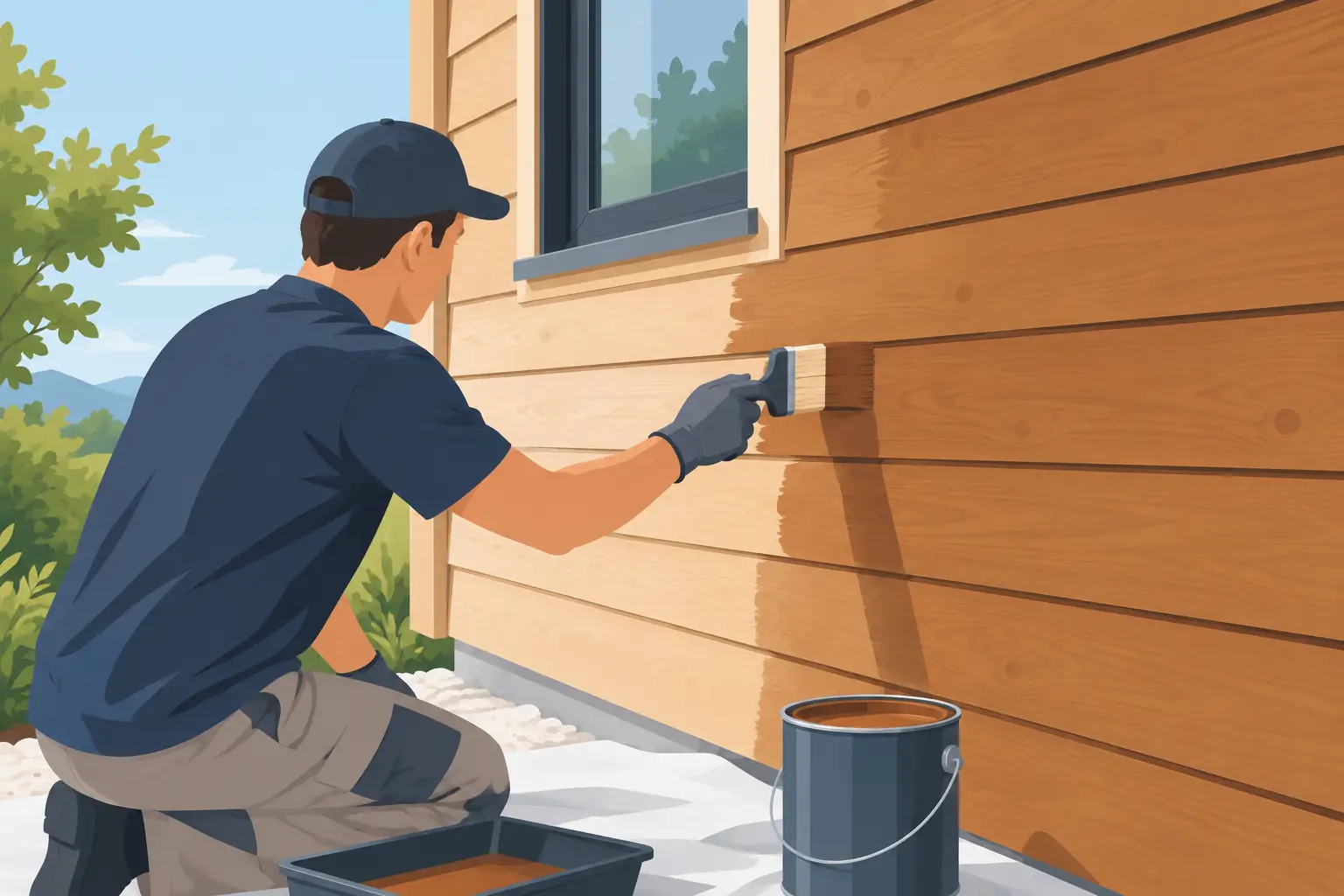
A well-planned repaint protects the property while minimizing disruption. It begins with identifying damaged areas, confirming the right sheen for each room, and selecting colors that support broad tenant appeal. Floors, furnishings, and fixed surfaces should be protected before repairs and painting begin, followed by a thorough cleanup once the work is complete.
For Northern Beaches landlords and property managers, coastal humidity and salt air can add another layer of consideration, particularly in homes near Manly, Narrabeen Beach, and Mona Vale. Interior moisture management, proper ventilation, and quality materials help finishes stay cleaner and more stable over time.
Sharp Painting Services approaches rental repaints with the same attention to preparation, clean work practices, and reliable scheduling as a full home transformation. The goal is not simply to cover old marks. It is to hand back a property that feels clean, cared for, and ready for its next chapter.
The right rental paint is the one that continues to look good after everyday life happens. Choose a washable, quality acrylic in the appropriate sheen, prepare the surfaces properly, and keep accurate records for future touch-ups. That combination makes each repaint more efficient and every inspection easier.